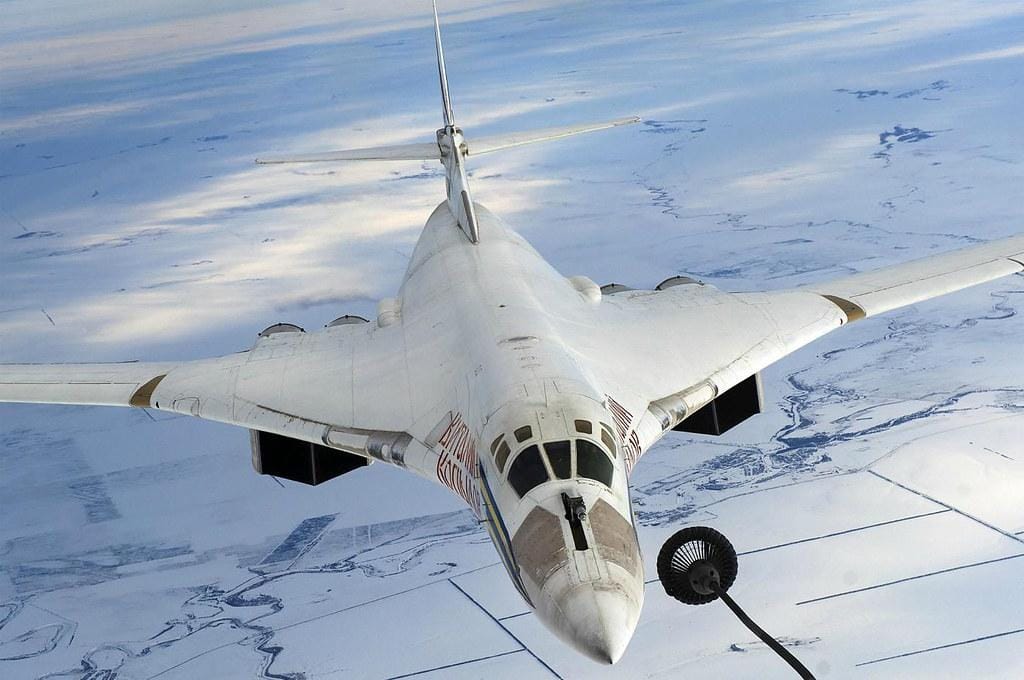
Wars often evolve faster than aircraft design cycles, creating a persistent mismatch between design intent and operational requirements. Platforms optimized for nuclear standoffs, bomber interception, or peer conflict were frequently deployed into regional wars, counterinsurgencies, and airspaces dominated by new defenses. These shifts produced costly performance gaps between what aircraft were built to do and what they were actually asked to accomplish. Rapid technological and doctrinal changes, illustrated by World War II's shift from cavalry to nuclear weapons, underscore the importance of adaptability and in-theater adjustments over long-range forecasting.
"History has shown that wars are capable of evolving faster than aircraft design cycles. Platforms optimized for nuclear standoffs, bomber interception, or large-scale peer conflict often found themselves operating in regional wars, counterinsurgencies, or airspaces dominated by new defenses. The result was a growing gap between what these aircraft were built to do and what they were actually asked to accomplish. Here, 24/7 Wall St. is taking a closer look at the combat aircraft that were built for the wrong war."
"World War II began with some major powers still using horse driven cavalry in combat, while the conflict ended less than a decade later with the dropping of the first nuclear bomb. Only a few short years separated vastly different generations of warfare, and the evolution of aircraft is no different with many of these jets living on the cutting-edge of tech, at least for now."
Read at 24/7 Wall St.
Unable to calculate read time
Collection
[
|
...
]