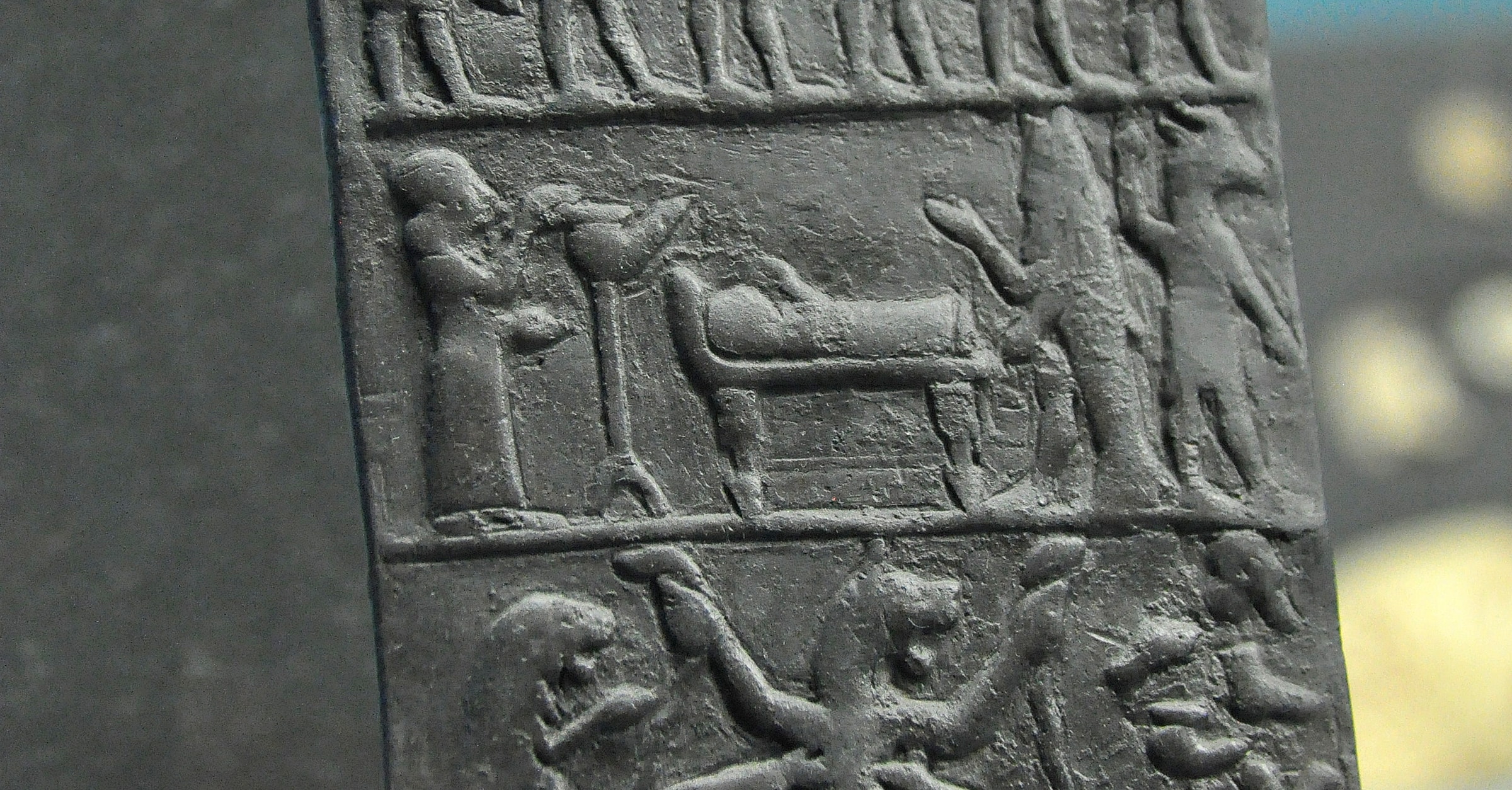
"Burial in ancient Mesopotamia was the practice of interring a corpse in a grave or tomb while observing certain rites, primarily to ensure the passage of the soul of the deceased to the underworld and prevent its return to haunt the living."
"The earliest grave found thus far in the Near East is the Shanidar Cave in the Zagros Mountains, which dates to between 60,000 and 45,000 years ago and, according to some scholars, provides evidence of funerary rites."
"Funerary rituals were intended to honor the dead and send them respectfully on to the next world, but according to inscriptions from the Uruk period onwards, there was a persistent fear that the dead might return."
"Failure to observe the accepted burial traditions prevented the soul from finding their place in the afterlife, and as a restless spirit, the deceased could haunt the living."
Burial practices in ancient Mesopotamia involved interring corpses with grave goods to facilitate the deceased's journey to the underworld. Spiritual concerns dominated over health considerations. The belief in ghosts was prevalent, with roots possibly tracing back to the Ubaid period. The Shanidar Cave suggests early funerary rites linked to an afterlife. Funerary rituals honored the dead, but fears of hauntings persisted, often due to improper burial. Family members maintained graves and offered food and drink to ensure the soul's peace in the afterlife.
Read at World History Encyclopedia
Unable to calculate read time
Collection
[
|
...
]