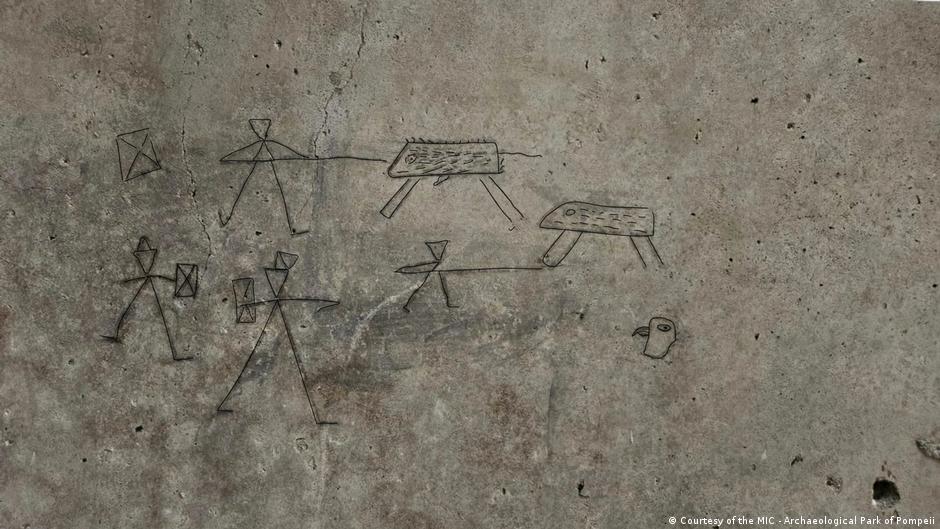
Ancient graffiti, similar to modern "I was here" markings, offers valuable historical insights into everyday life in the Roman world. Pompeii, preserved by Mount Vesuvius's AD 79 eruption, serves as the primary research site for ancient graffiti studies. While archaeologists historically focused on elite artwork like frescoes and mosaics, recent decades have seen growing scholarly interest in spontaneous messages left by common people—slaves, merchants, and soldiers. The Ancient Graffiti Project digitizes these discoveries from Pompeii and Herculaneum, making them accessible to researchers. Unlike planned inscriptions, graffiti represent authentic, unfiltered expressions of ordinary individuals, providing direct evidence of how people lived and thought in ancient times.
"There has been a surge of studies in ancient graffiti over the last 15, maybe 20 years, and that's very exciting. Social media has of course amplified the reach of new discoveries. Unlike a pre-planned piece of literature or dedicated inscription, graffiti are spontaneous compositions written by everyday people—much like the graffiti found in urban areas today."
"The ancient graffiti research epicenter is the once-bustling city of Pompeii, which was buried in the eruption of Mount Vesuvius in AD 79. The eruption left buildings exquisitely preserved under meters of ash. Since excavations started in the 18th century, archeologists have mainly kept busy uncovering colorful paintings, frescos and mosaics in the homes of the city's elites."
Read at www.dw.com
Unable to calculate read time
Collection
[
|
...
]