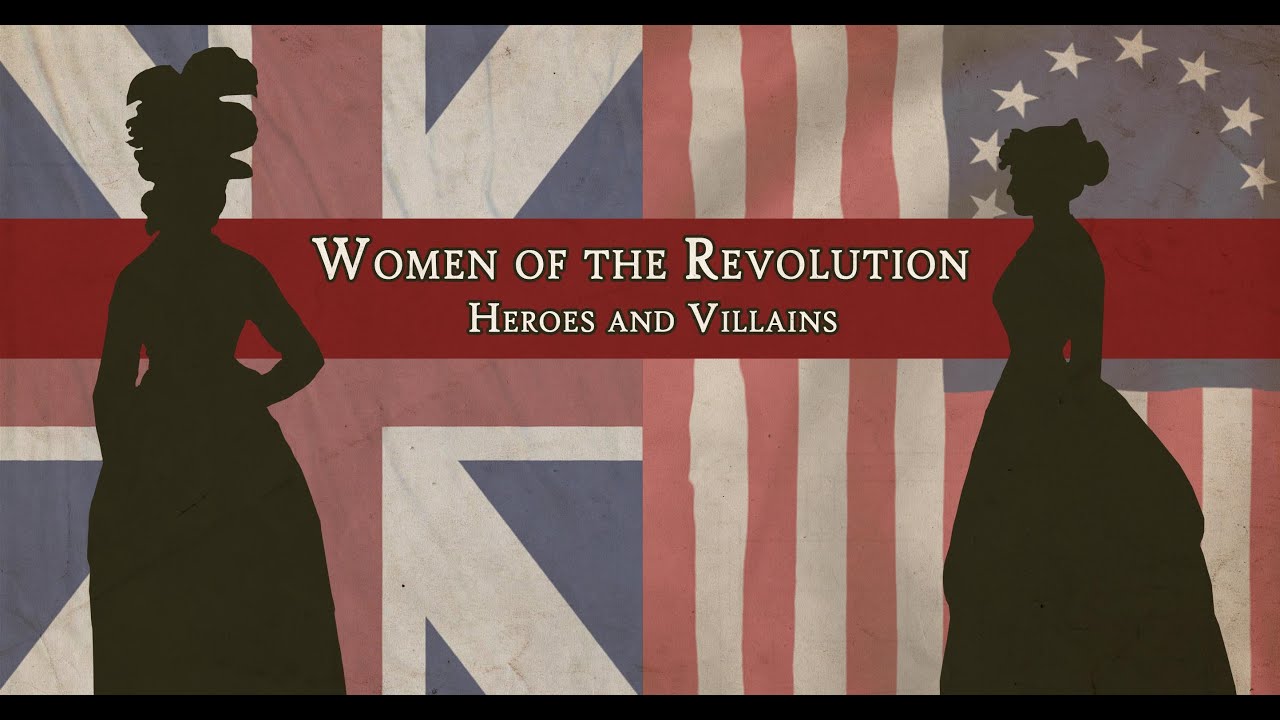
"During the American Revolution, women across the Thirteen Colonies took on a range of nontraditional roles. Some assumed control of family farms and businesses while their husbands and sons were off fighting. Others, known as "camp followers," traveled with the Continental Army, serving as cooks, nurses and seamstresses. Still others became spies, gathering crucial intelligence behind enemy lines. In fact, women made ideal spies because they often went unnoticed-sexist stereotypes suggested they simply couldn't understand war and its complexities."
"Perhaps the most unlikely woman to engage in espionage during the Revolution was Lydia Barrington Darragh, an Irish immigrant who had settled in Philadelphia. A pacifist Quaker, Darragh was committed to nonviolence and neutrality in the fight between Britain and its colonies. But her devotion to her family and firm opposition to tyranny led Darragh to go against her religion and provide a key piece of intelligence to the Continental Army that may have saved soldiers' lives."
During the American Revolution, women assumed nontraditional roles including farm management, military support, and espionage. Women made effective spies because sexist stereotypes rendered them invisible to British forces. While Agent 355 remains largely mythical, documented female spies like Ann Bates and Nancy Hart gathered intelligence for various sides. Lydia Barrington Darragh, an Irish immigrant and pacifist Quaker living in Philadelphia, represents the most unlikely spy. Despite her religious commitment to nonviolence and neutrality, her devotion to family and opposition to tyranny compelled her to violate her principles and provide critical intelligence to the Continental Army.
Read at Smithsonian Magazine
Unable to calculate read time
Collection
[
|
...
]