Arts
fromTime Out New York
1 hour ago12 Revolutionary War artworks take over Lower Manhattan
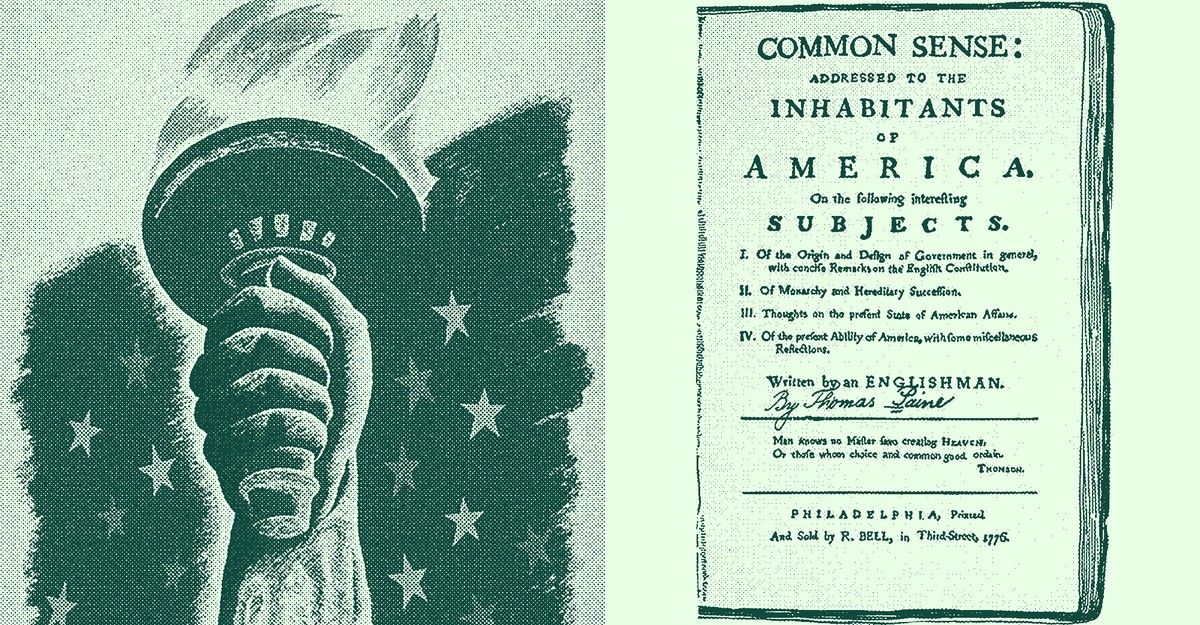
A free open-air exhibition across Lower Manhattan uses 12 contemporary artworks to reimagine Revolutionary-era stories through modern collage imagery.
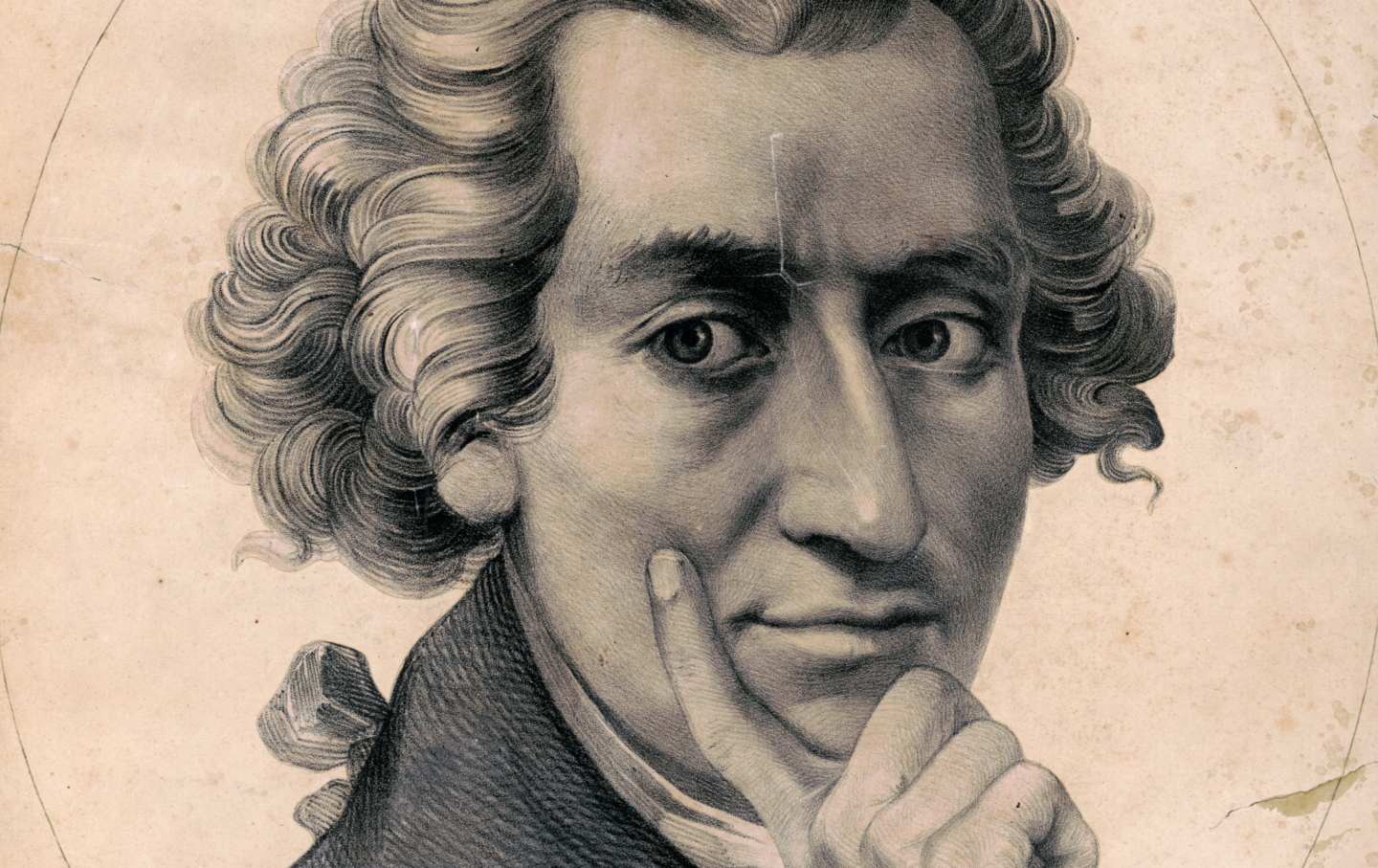
Billings is widely considered America's first noteworthy composer, publishing six tune books and writing some 340 choral works - some of which are still sung today. Apprenticed at 14 as a leather tanner, he learned music in his spare time and became a renowned teacher of singing schools, which taught basic elements of music so people could sing hymns more confidently. He also became a staunch supporter of independence, one of the Boston "Whigs" who spearheaded the American Revolution.
Tea was such a central fixture of life for the American Colonists that its taxation was the springboard for the American Revolution. During the late 18th-century, early Americans collectively put away a whopping 1.2 million pounds of tea every single year.
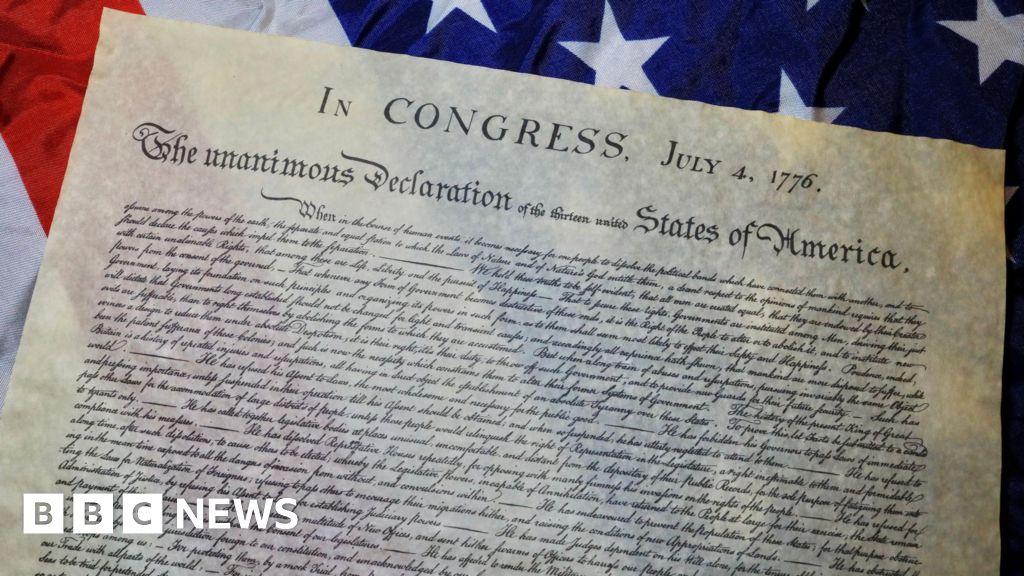
"Once the Declaration of Independence is issued by Congress, then it kind of changes the calculus. Then, both sides are putting pressure on Native people to join one side or the other."
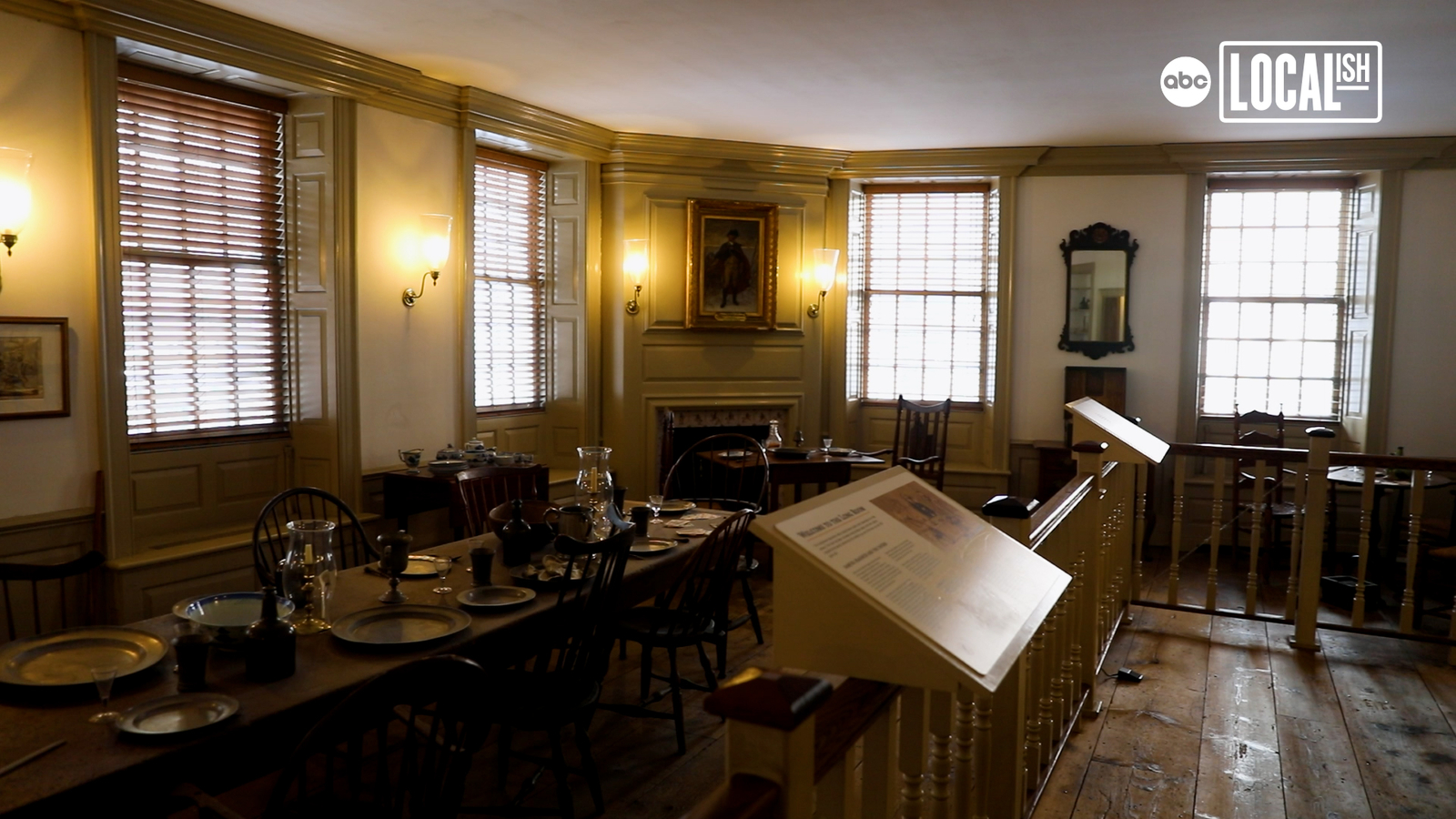
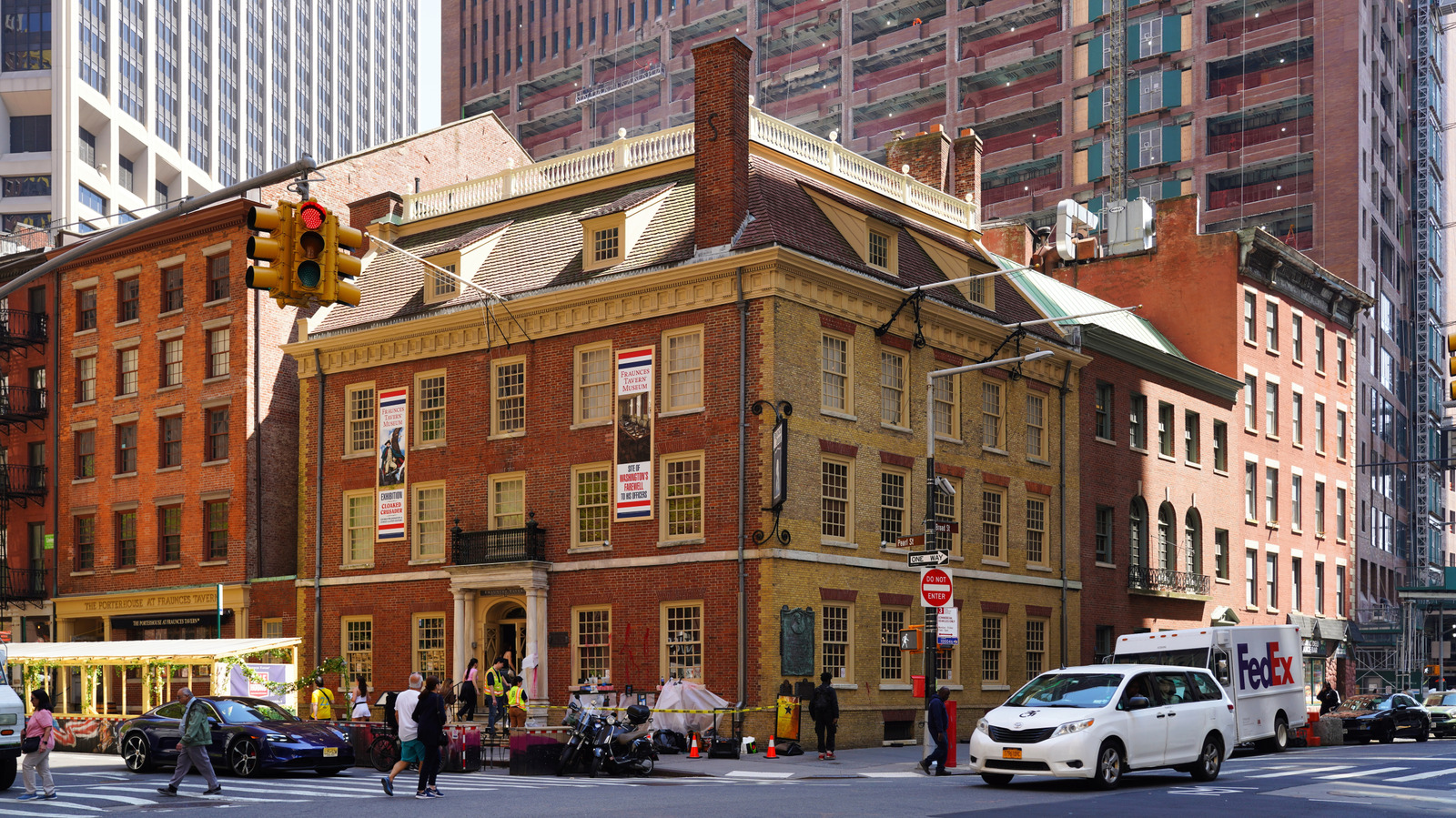
While Boston and Philadelphia often dominate the conversation about America's Revolution, New York was at the center of events surrounding Independence and the City's history is often overlooked. The war literally began and ended in the city, from the earliest major battle - the largest and most important of the war - to the British evacuation.
On this episode of The David Frum Show, The Atlantic 's David Frum opens with an urgent warning about TikTok's looming deal with Trump-aligned insiders-a move David calls the "biggest giveaway since the days of the railway grants." He argues that the American media landscape has been quietly transformed, and political power has shifted from legacy outlets to algorithmic platforms loyal to the president.
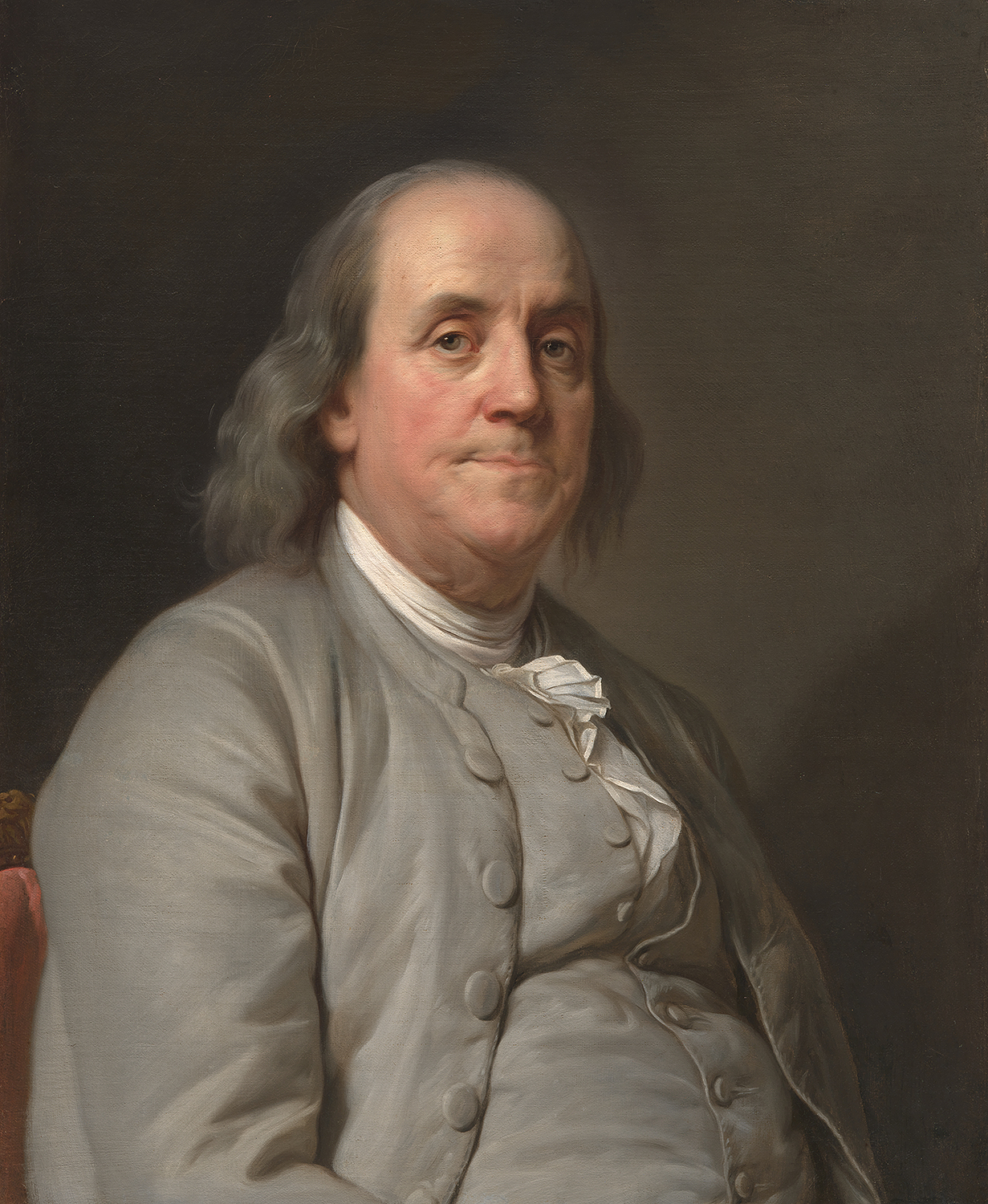
Some are instantly recognizable-Benjamin Franklin, Thomas Jefferson--while other figures will be less familiar. Standing beside George Washington is a man he enslaved, Harry Washington, for whom no image exists. Altogether, the figures represent different sides of the war, of the period's political ferment, and of early American society itself, and convey the ambition of this special issue: to capture the Revolutionary era in all of its complexity, contradictions, and ingenuity.
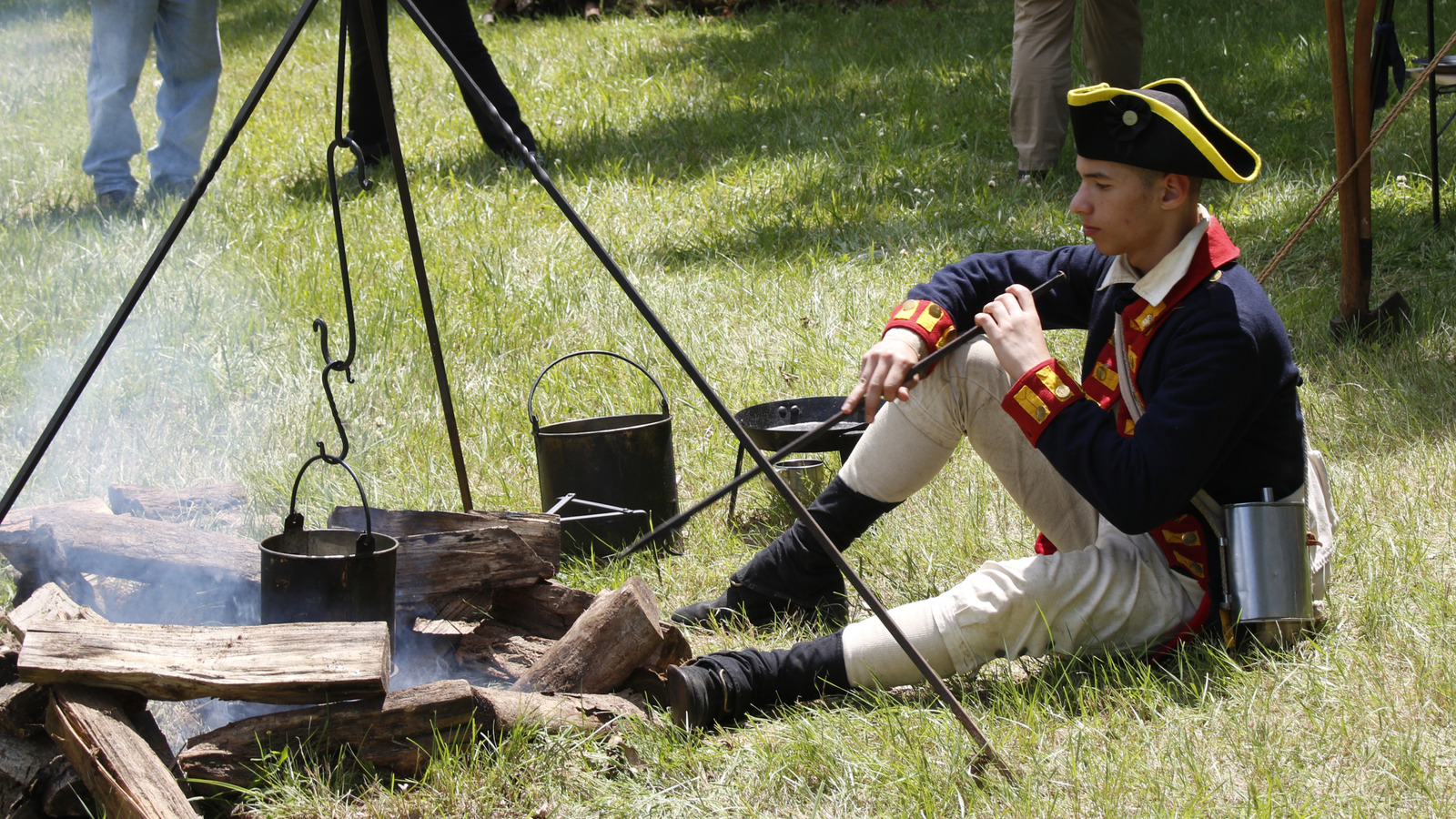
Flintlocks and muskets are among the earliest firearms and were used from the 1600s through the early 1800s. A flintlock is a type of firing mechanism that uses a piece of flint striking steel to ignite gunpowder, while a musket refers to the long gun itself, typically smoothbore and loaded from the muzzle.