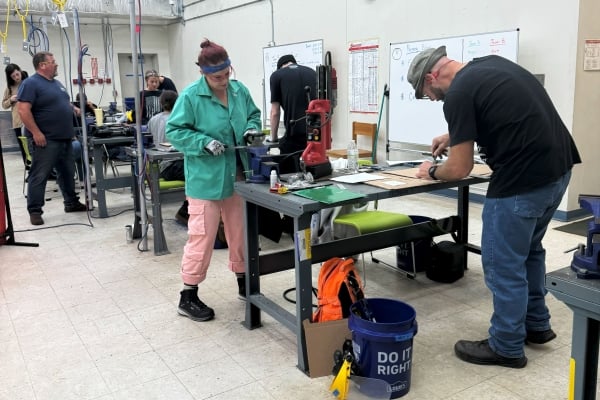
Eighty-three noncredit students at LaGuardia Community College, Mt. San Antonio College, and Northern Virginia Community College were interviewed about demographics, prior education, and motivations. Interviewees ranged from 18 to 60, with most between 25 and 49. Seventy-one percent had previously attended college; almost two-thirds of those had taken only credit-bearing courses, while 12 percent had enrolled only in noncredit courses and 15 percent had a mix. Twenty-five percent were enrolled in credit or multiple noncredit programs during the interviews. Reported barriers to earlier college completion included financial constraints, pandemic-era online learning struggles, parenting responsibilities, and required classes outside learners' interests. Short, low-cost noncredit programs felt feasible, practical, and attainable to many students.
""It's always important to talk to the students," said Kathy Hughes, senior research consultant at the Education and Employment Research Center and an author of the report, "and researchers really hadn't done much of that so far" when it comes to students in short-term noncredit workforce programs."
""For many of them, [a noncredit program] felt like something that they were finally able to achieve," Hughes said, "because it was short term, because it was free or low cost. This felt finally feasible, practical, possible.""
Read at Inside Higher Ed | Higher Education News, Events and Jobs
Unable to calculate read time
Collection
[
|
...
]