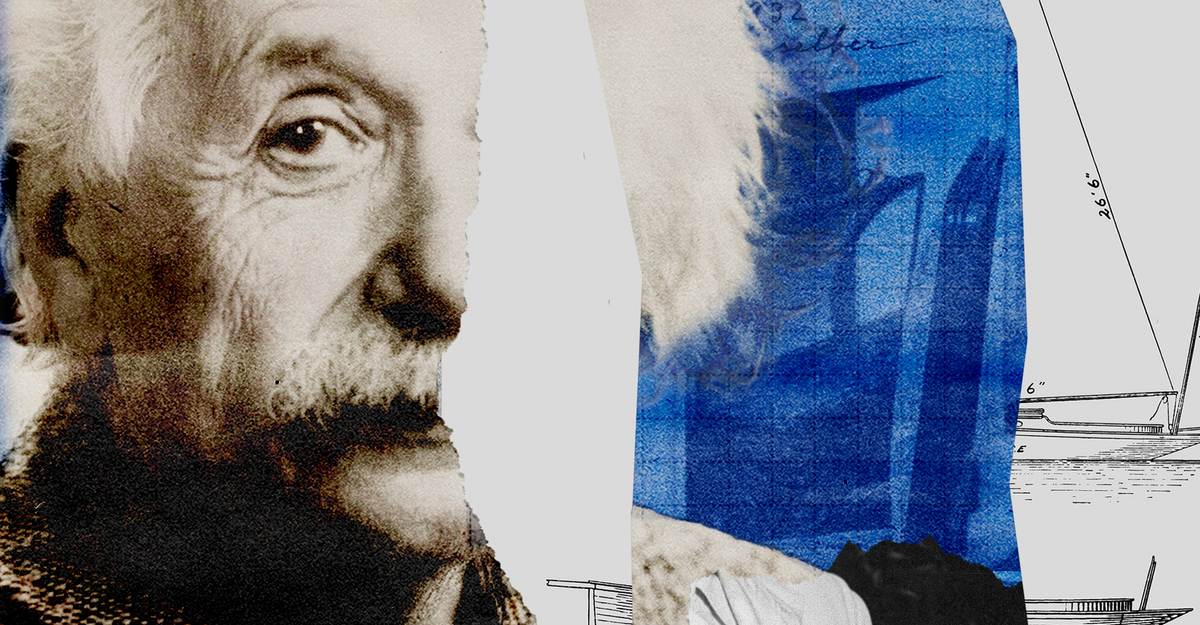
Albert Einstein pursued both foundational physics and active social engagement, linking scientific responsibility to democratic and moral commitments. He opposed segregation in the United States, drew on experiences of Nazi persecution, and cultivated ties to the African American community in Princeton. He visited Lincoln University in 1946 and accepted an honorary degree during the Jim Crow era. He served on the Institute for Advanced Study faculty from 1933 to 1955, helping establish its role in global intellectual life. His outlook combined critical optimism, a scientific worldview, and humanistic values now challenged by skepticism toward science and higher education.
"As Albert Einstein wrote elegantly about our experience of time and space, he also devoted his days to the process of social transformation: the question of how one world becomes another. He was concerned about not just the perils of progress-including modern science's role in the creation of apocalyptic weapons-but also the promise of a more just society. From his very first years in the United States, Einstein wrote powerfully in opposition to American segregation, drawing"
"Einstein was among the first faculty members of the Institute for Advanced Study, which was founded in 1930 as an independent research center against the backdrop of fascism's rise in Europe. He was a faculty member at IAS, which was initially housed at Princeton University, from 1933 to 1955, setting down roots in the town as he and the growing institution changed the trajectory of the modern world."
Read at The Atlantic
Unable to calculate read time
Collection
[
|
...
]