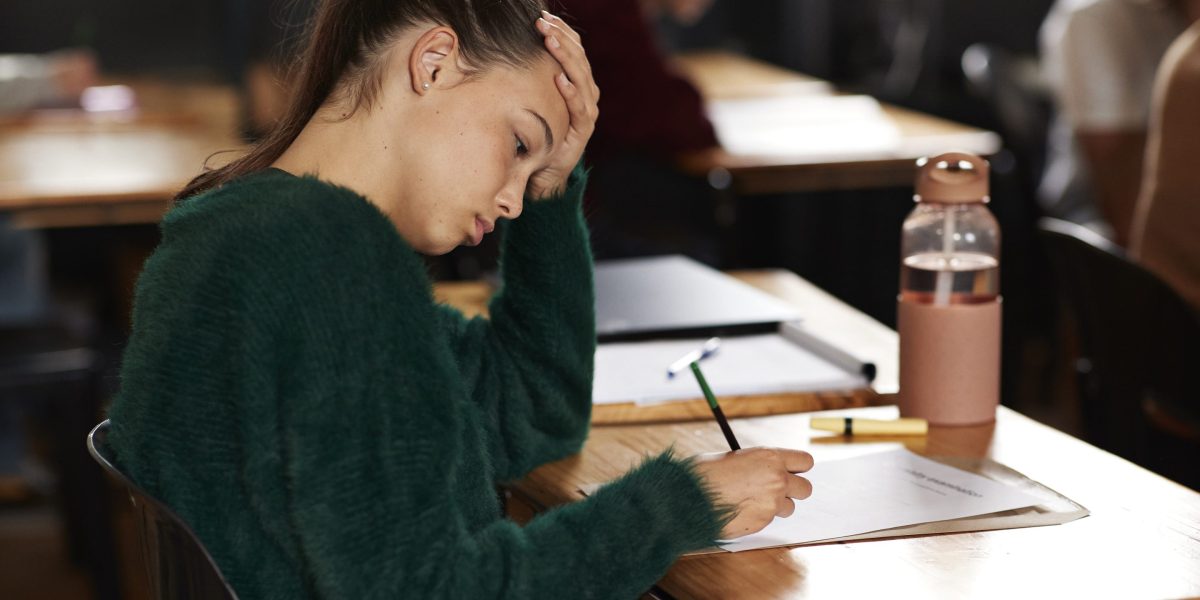
"The pandemic has shaken up college life for good: Since then, social media and AI have revolutionized classroom expectations, and the bar for landing a job after graduation has become impossibly high. Many are now questioning whether getting a degree was even worth it. The ripple effect of those strains is already showing in campus accessibility offices, where diagnoses of ADHD, anxiety, and depression are rising-and so are requests for extended time on coursework."
"At Harvard, 21% of undergraduates received disability accommodations last year, an increase of more than 15% over the past decade, according to data published by the National Center for Education Statistics analyzed by the Harvard Crimson. Top schools like Brown, Cornell, and Yale reported similar numbers, roughly in line with national trends. But the increase is more pronounced at other institutions: 34% of students at Amherst College and 38% at Stanford are registered as disabled, according to The Atlantic."
College disability accommodations have increased sharply since the pandemic, as social media and AI altered classroom expectations and job-market pressures rose. Campus accessibility offices report higher diagnoses of ADHD, anxiety, and depression and more requests for extended time on coursework. Top institutions report substantial rises—Harvard registered 21% of undergraduates with accommodations, Amherst 34%, and Stanford 38%—compared with about 11% in 2011–12. Improved access to mental-health care and reduced stigma contributed to the trend. Critics argue some students may exploit accommodations for lighter workloads or competitive advantage, and some observers warn of possible institutional overcorrection.
#college-disability-accommodations #mental-health-diagnoses #pandemic-impact-on-education #higher-education-accessibility
Read at Fortune
Unable to calculate read time
Collection
[
|
...
]