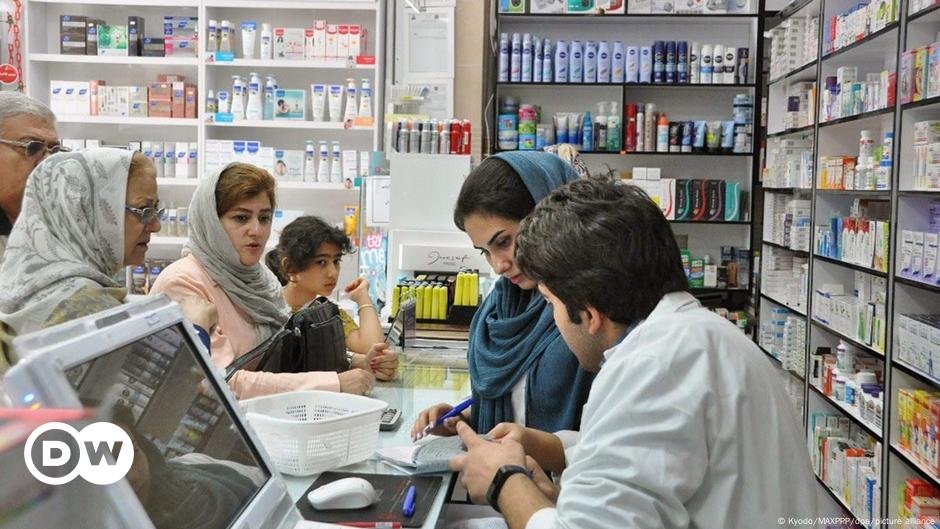
Sanctions, currency volatility, and long-running pressure on insurers have made medical treatment difficult to access in Iran for years. The US and Israel war has deepened strain by disrupting regional supply routes, damaging parts of health infrastructure, and increasing pressure on an already fragile pharmaceutical market. Everyday impacts include patients searching multiple pharmacies for medicines and doctors seeing people abandon prescriptions they cannot afford. Iran relies on imported raw materials and foreign-made medicines, so transport delays and higher costs contribute to shortages and price rises. Even when medicines are exempt from sanctions, banking and payment restrictions slow procurement and raise expenses. Rising prices, disrupted supply chains, damaged infrastructure, and shrinking purchasing power reinforce each other, while officials cite reserves and domestic production as stabilizers.
"Sanctions, currency volatility and long-running pressure on insurers have made medical treatment hard to access in Iran for years. Now, the war launched by the US and Israel appears to have deepened the strain by disrupting regional supply routes, damaging parts of Iran's health infrastructure and adding fresh pressure to an already fragile pharmaceutical market. The results are affecting everyday life for many Iranians: from patients searching multiple pharmacies for medicine to doctors watching people abandon prescriptions they can no longer afford."
"For a country like Iran, which depends on imported raw materials and foreign-made medicines for part of its pharmaceutical system, delays and higher transport costs quickly feed into domestic shortages and price rises. Transport, however, is only part of the problem. Even when medicines are technically exempt from sanctions, banking and payment restrictions can still make procurement slow, complicated and expensive. That financial choke point has affected Iran's pharmaceutical sector for years."
"In wartime, it becomes even more damaging. Rising prices, disrupted supply chains, damaged infrastructure and shrinking purchasing power are reinforcing one another. Iranian officials have tried to project calm, arguing that strategic reserves and domestic production have prevented a full-scale collapse. But the picture described by patients, doctors and industry figures is more troubling."
"Hadi Ahmadi, a spokesperson for the Iranian Pharmacists Association, has warned that the war could create new shortages in materials needed for pharmaceutical production, including aluminum and petrochemical inputs. Even where medicine stock still exists, future manufacturing may become harder if industrial feedstocks and packaging materials grow scarce. Some patients are giving up The impact is already vis"
Read at www.dw.com
Unable to calculate read time
Collection
[
|
...
]