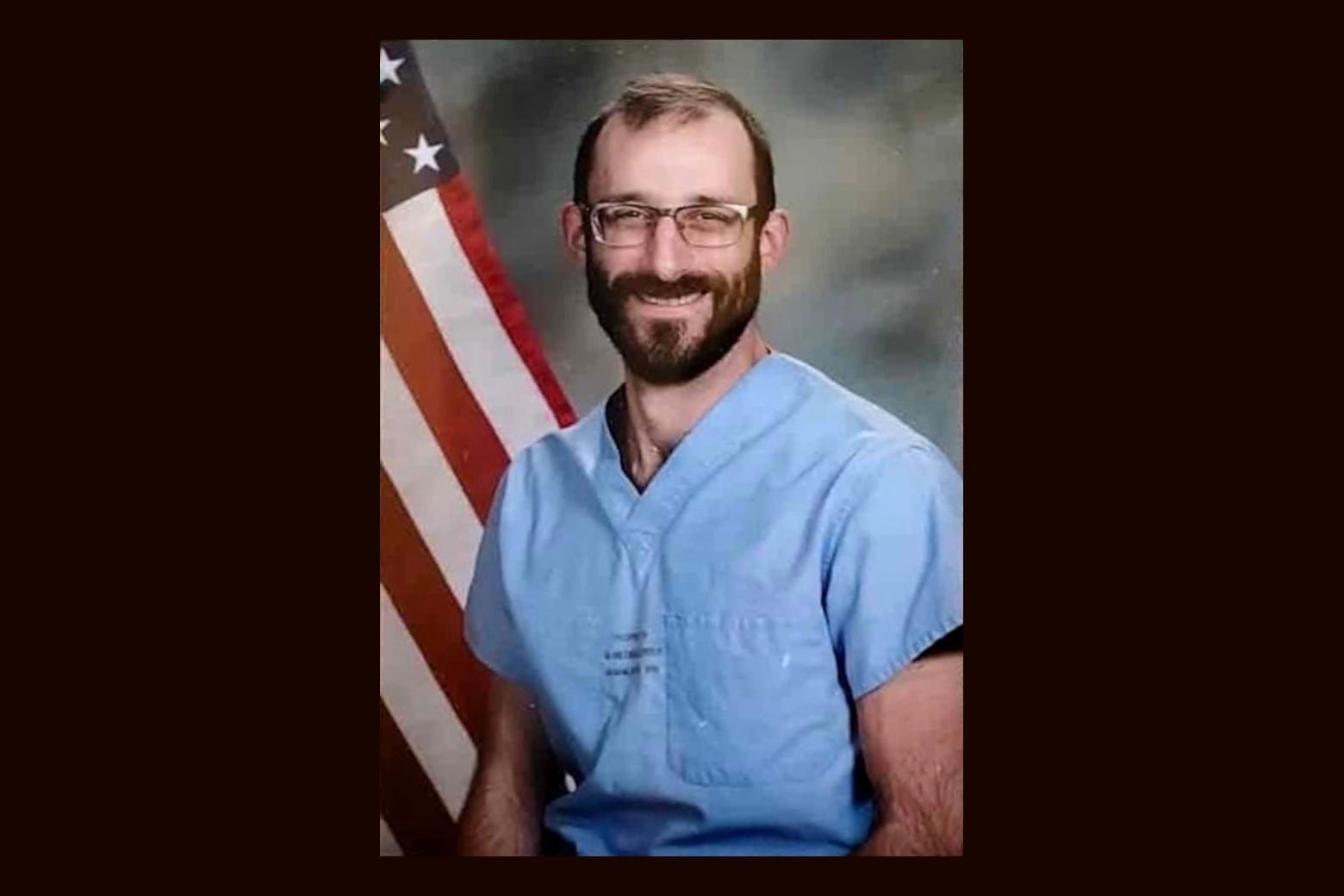
"In video footage, 37-year-old Alex Pretti can be heard asking that simple question after a woman was shoved into the snow by Immigration and Customs Enforcement agents. Moments later, he is tackled to the ground, and an agent appears to remove a gun that Pretti was legally licensed to carry from his waistband. Then federal agents opened fire and killed him."
"I didn't know Pretti, but for years I have researched the experiences, motivations, and attitudes of men like him-men who take care of others in their workplaces, homes, and communities. Pretti was an intensive care unit nurse in a Veterans Affairs hospital in Minneapolis, and in the days since his killing, his parents, friends, neighbors, former patients' families, and colleagues have attested to his kindness and caring nature."
""Alex was a kindhearted soul who cared deeply for his family and friends and also the American veterans whom he cared for," Pretti's family said in a statement. "Just the sweetest person you can imagine," said Mac Randolph, whose father Terry was treated by Pretti through his dying hours. Randolph posted a video of Pretti reading Terry's final salute moments after his death in December 2024."
In video footage, 37-year-old Alex Pretti can be heard asking "Are you OK?" after a woman was shoved into the snow by Immigration and Customs Enforcement agents. He was tackled to the ground, an agent appeared to remove a legally licensed gun from his waistband, and then federal agents opened fire and killed him. Pretti worked as an intensive care unit nurse at a Veterans Affairs hospital in Minneapolis and cared for veterans and patients. Family, friends, neighbors, former patients' families, and colleagues described him as kindhearted and caring. Over the past half century, men's roles in hands-on and emotional caregiving have expanded; since 1965 the time men spend caring for children has tripled and men now make up about 40 percent of family caregivers.
Read at Slate Magazine
Unable to calculate read time
Collection
[
|
...
]