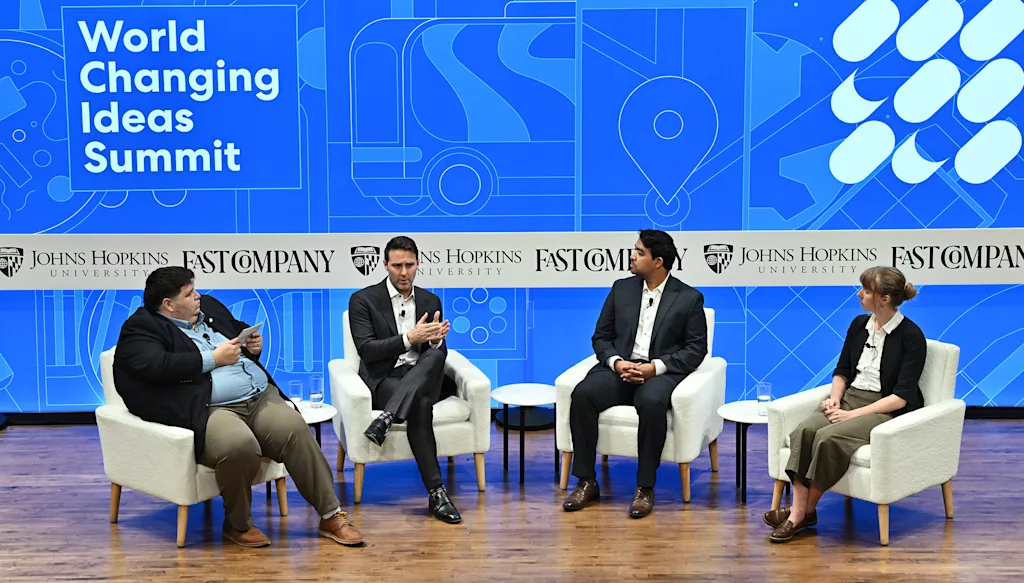
AI-enabled tools using smartphone imaging and telemedicine expand screening, diagnosis, and monitoring for patients with vision loss, enabling broader access to care. Platforms combine mobile imaging, telemedicine workflows, and algorithms to identify and follow eye conditions remotely. Built-in clinician-in-the-loop guardrails route complex cases to doctors and prevent automated diagnoses in isolation. Advances in automation and predictive analytics can reduce unnecessary surgeries and reshape intraoperative decision-making. The potential scope of treatable conditions and procedures grows as technology improves. Integration of workflow, data, and human oversight is vital for safe, scalable vision-care delivery.
"We design these [tools] thinking about what is the workflow, who are other people involved, what is all the data involved, and how can we build guardrails so it works alongside a human,"
"We're very fortunate to have these tools that enable automation, where that's the right answer, really to drive better outcomes,"
"The implications for how we treat, who we treat, the types of procedures and pathologies we can address-let your mind go, because the pie is way bigger than whatever it looks like today,"
"And that's why it's a really exciting moment."
Read at Fast Company
Unable to calculate read time
Collection
[
|
...
]