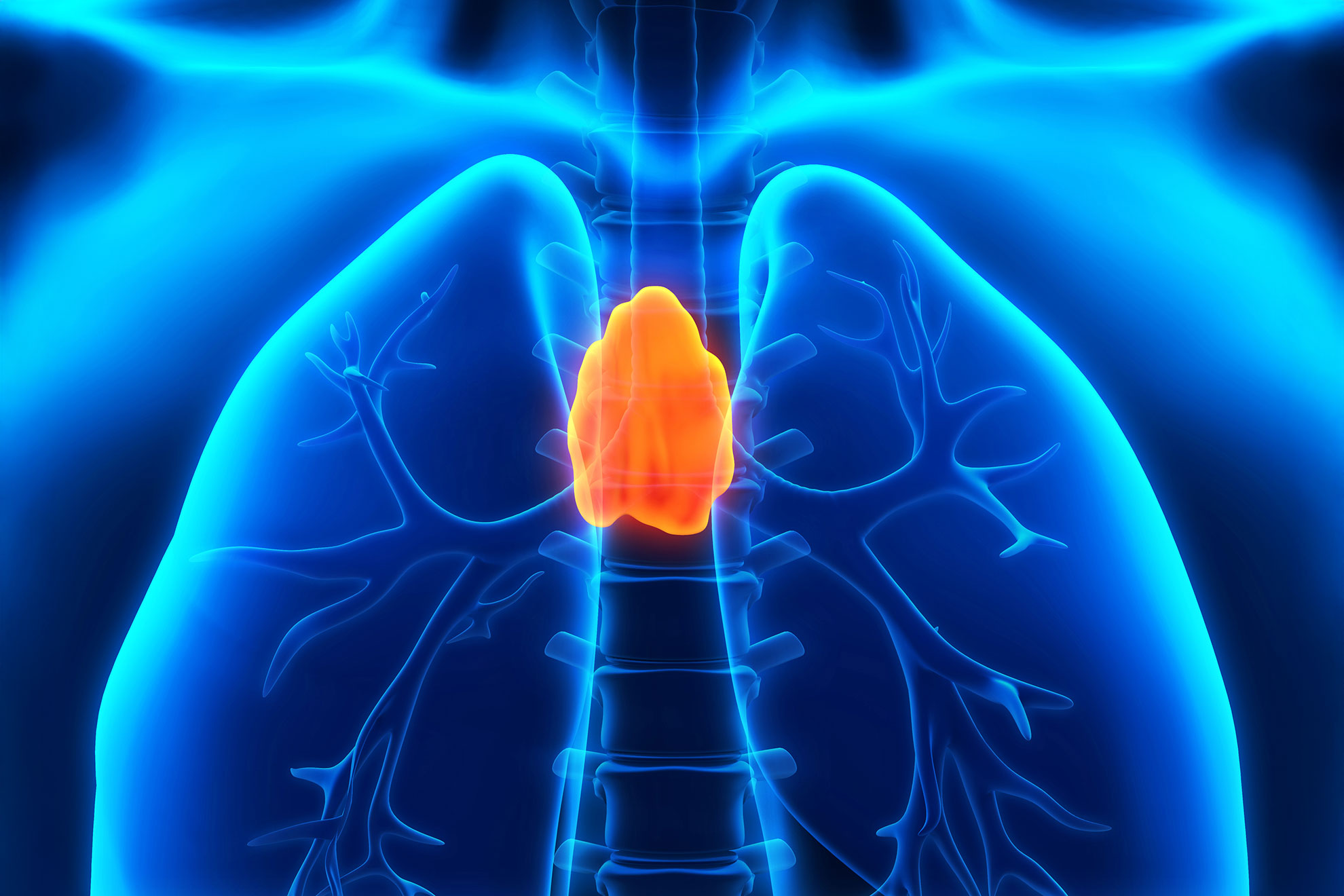
"Two new studies from investigators at Harvard-affiliated Mass General Brigham challenge a decades-old assumption that the thymus, an organ best known for its role in establishing immune function in childhood, becomes irrelevant in adulthood. Using AI to analyze routine CT scans, researchers uncovered that adults with a healthy thymus had increased longevity and reduced risk for cardiovascular disease and cancer."
"The thymus is a small organ in the chest that helps train T cells, priming the immune system to protect the body from infections and disease. For decades, doctors believed the organ was mostly inactive after puberty because it shrinks with age and produces fewer new T cells. As a result, its role in adult health has rarely been examined in large populations."
"The thymus has been overlooked for decades and may be a missing piece in explaining why people age differently, and why cancer treatments fail in some patients."
Harvard-affiliated Mass General Brigham researchers challenged the assumption that the thymus becomes irrelevant after childhood. Using AI to analyze routine CT scans from over 25,000 adults in lung cancer screening trials and 2,500 participants in the Framingham Heart Study, they discovered that adults with healthy thymus glands had increased longevity and reduced risk for cardiovascular disease and cancer. Additionally, thymic health influenced patient response to immunotherapy treatments. The thymus, a chest organ that trains T cells for immune function, was previously believed inactive after puberty due to age-related shrinkage. These findings, published in Nature, suggest the thymus plays a significant role in adult health and may provide new targets for personalizing disease prevention and cancer treatments.
Read at Harvard Gazette
Unable to calculate read time
Collection
[
|
...
]