"Obstructive sleep apnea (OSA) causes repeated pauses or reductions in breathing throughout the night, triggering drops in blood oxygen and frequent mini-arousals that sabotage quality sleep. The condition affects an estimated 80 million Americans, yet roughly 80 percent of cases go undiagnosed. Left untreated, OSA has been linked to serious long-term consequences, including heart disease, cognitive decline, diabetes, and an increased risk of car and workplace accidents driven by chronic fatigue."
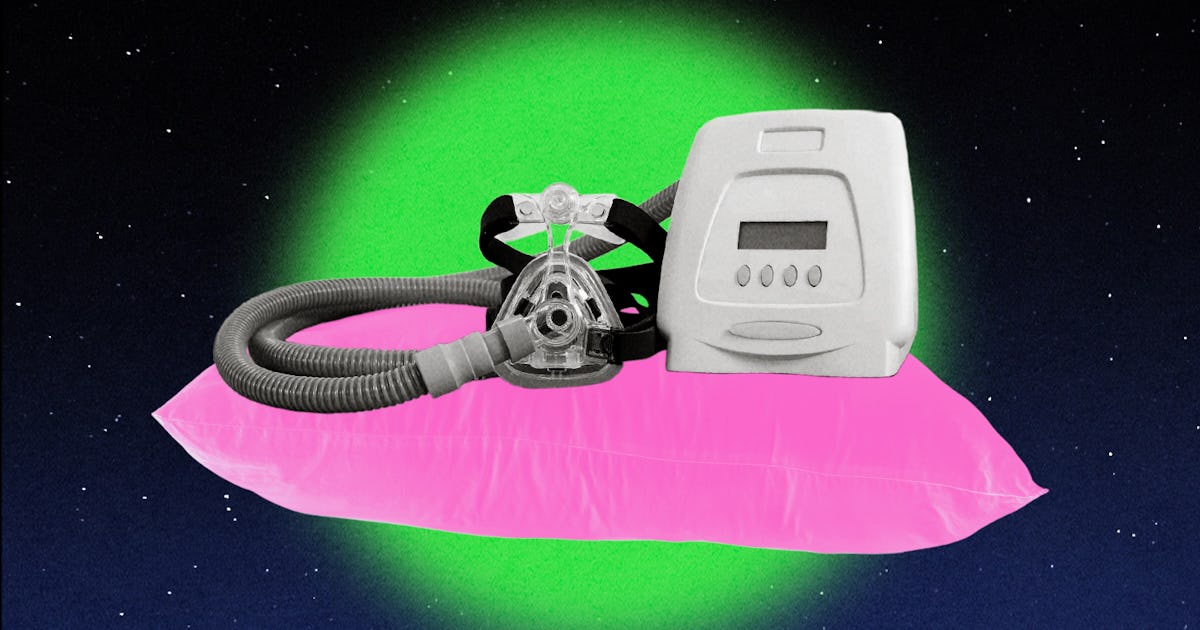
"The most established treatment for sleep apnea is continuous positive airway pressure, or CPAP therapy, which uses pressurized air to keep the upper airway open during sleep. But as Dr. Max Kerr, an Austin-based dentist specializing in dental sleep medicine, notes, CPAP isn't for everyone. Even among those who tolerate it, clinical "compliance" is defined as just four hours a night, four nights a week - well short of a full night's rest."
Obstructive sleep apnea (OSA) produces repeated breathing pauses or reductions during sleep that cause blood-oxygen drops and frequent mini-arousals, degrading restorative sleep. An estimated 80 million Americans have OSA, with roughly 80 percent of cases undiagnosed. Untreated OSA increases long-term risks including heart disease, cognitive decline, diabetes, and heightened risk of car and workplace accidents from chronic fatigue. Continuous positive airway pressure (CPAP) is the most established therapy, using pressurized air to maintain airway patency, but clinical "compliance" is commonly defined as only four hours a night, four nights a week. More invasive options such as jaw surgery or implanted devices exist but are costly and less accessible. Proper diagnosis and medical guidance are essential before pursuing treatment or supportive tools.
Read at Inverse
Unable to calculate read time
Collection
[
|
...
]