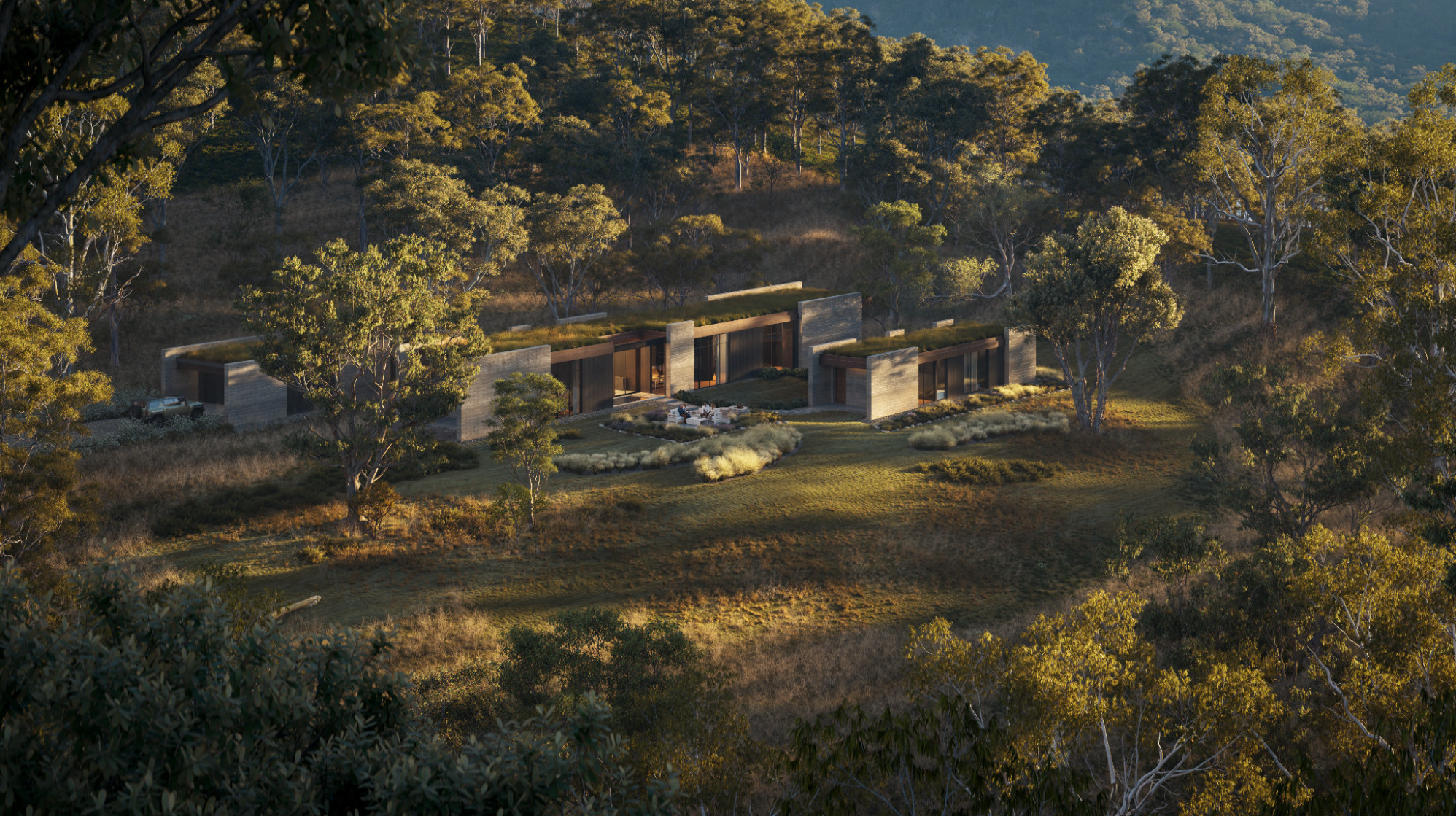
"“Visualization has always been central to design thinking, but it's becoming more continuous and integrated,” said Vlado Koylazov, Chief Technology Officer of Chaos. “With AI, architects can iterate from concept to photoreal imagery in minutes while maintaining creative direction and intent.”"
"In the early stages, designers can use AI to generate visual concepts from simple prompts or massing models, exploring multiple directions before committing to a single approach. What once required hours of manual modeling and rendering can now be done in minutes, enabling a broader and more exploratory design phase."
"As the design develops, AI supports further refinement by transforming models into photorealistic images more efficiently, while dynamically adjusting materials, lighting, and environmental conditions. This reduces setup time and enables rapid iteration, making it easier to test variations and refine ideas in real time."
"Post-production, traditionally a separate and often manual process, is also being absorbed into this pipeline. AI-powered tools can enhance images, upscale resolut"
Architectural visualization is becoming more embedded throughout the design workflow as artificial intelligence enables faster iteration and better decision making. AI supports a continuous pipeline that connects design intent to visual output through ongoing feedback. Early design phases can generate visual concepts from prompts or massing models, allowing exploration of multiple directions before commitment. As projects progress, AI refines models into photorealistic images by adjusting materials, lighting, and environmental conditions with less setup time. Post-production is increasingly automated through AI tools that enhance images and upscale resolution, reducing manual effort and accelerating refinement.
#architectural-visualization #artificial-intelligence #design-workflow #photorealistic-rendering #post-production-automation
Read at ArchDaily
Unable to calculate read time
Collection
[
|
...
]