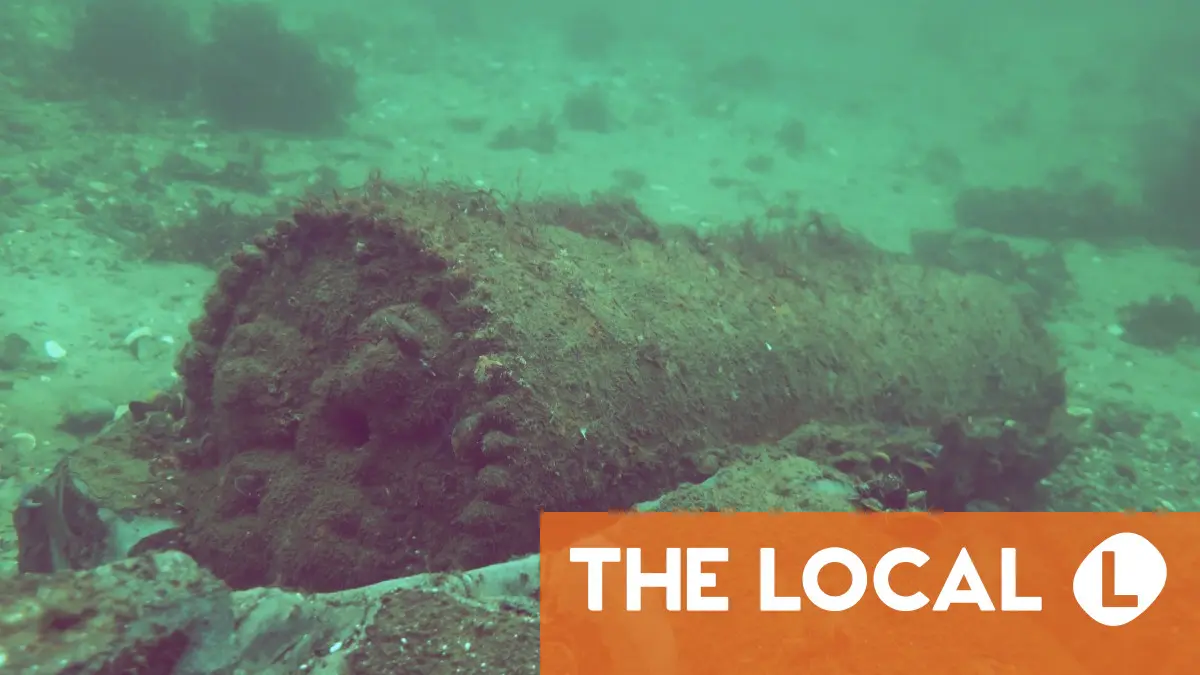
"One of the goals of the project is to develop some new tools for cleaning it up. The idea is, what can we do to prevent this before the pollution comes out?"
"Along the German coast, about 1.6 million tonnes of munitions litter the seafloor, especially near the ports of Kiel and Luebeck, making it one of the world's most contaminated areas."
"Almost 80 years on, traces of carcinogenic explosives have been detected in shellfish and other sea life throughout the area."
The Baltic Sea floor off Germany contains large quantities of World War II munitions that are rusting and releasing contaminants like TNT. A research vessel from Kiel is mapping these dangers with a team of scientists from Germany, Poland, and Lithuania. The area is heavily polluted, with approximately 1.6 million tonnes of munitions, primarily dumped by Allied forces after Germany's surrender. Traces of carcinogenic explosives have been found in local shellfish, raising concerns about marine life and environmental health.
Read at The Local Germany
Unable to calculate read time
Collection
[
|
...
]