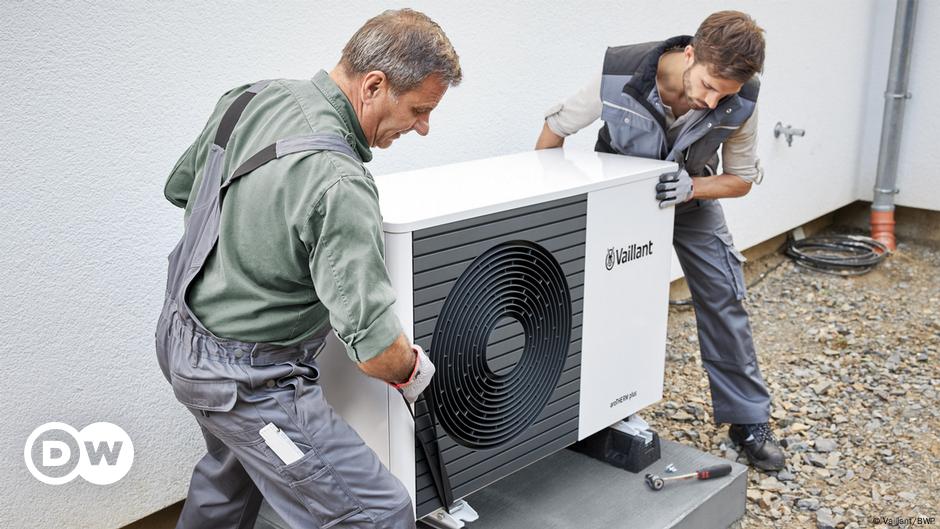
Germany’s coalition government plans to replace the Heating Act with a Building Modernization Act. The previous rule required newly installed heating systems to use at least 65% renewable energy. The new proposal would allow oil and gas heating systems with much lower shares of climate-friendly gases to remain in existing buildings for longer. For new installations, the renewable requirement would drop to at least 10%. The cabinet approved the draft bill submitted by the Building Minister and the Economy Minister. The government aims to pass the bill before the mid-July summer recess, but critics argue the timeline is unrealistic and the draft is difficult to implement. The National Regulatory Control Council warned about weak drafting and likely implementation problems.
"Germany's coalition government of Christian Democrats (CDU) and Social Democrats (SPD) is seeking to overturn the central provision of the heating law introduced by the previous administration. The original law stipulated that all newly installed heating systems must run on at least 65% of renewable energy, with the requirement due to apply to all new heating installations in the coming years."
"Under the new proposals, however, oil and gas heating systems with significantly lower shares of climate-friendly gases would still be allowed in existing buildings for a longer period. The cabinet approved the plan based on a draft bill submitted by Building Minister Verena Hubertz (SPD) and Economy Minister Katherina Reiche (CDU). Under the planned legislation, new heating systems would only be required to use at least 10% of renewable energy."
"The government hopes to push it through parliament before the summer recess in mid-July. However, many observers believe the timetable is far too ambitious, particularly as the draft law has triggered not only support but also vociferous criticism. One of the most vocal critics is the National Regulatory Control Council (NKR), an independent advisory body to the German government."
"Its chairman, Lutz Goebel, described the draft bill in comments to the newspaper Bild as "one of the weakest and most impractical pieces of legislation presented to the National Regulatory Control Council in recent years." He said parts of the text were "barely comprehensible" and warned that problems with implementing the law were likely. According to Goebel, "laws like this contribute to growing frustration among citizens toward the state and politicians.""
Read at www.dw.com
Unable to calculate read time
Collection
[
|
...
]