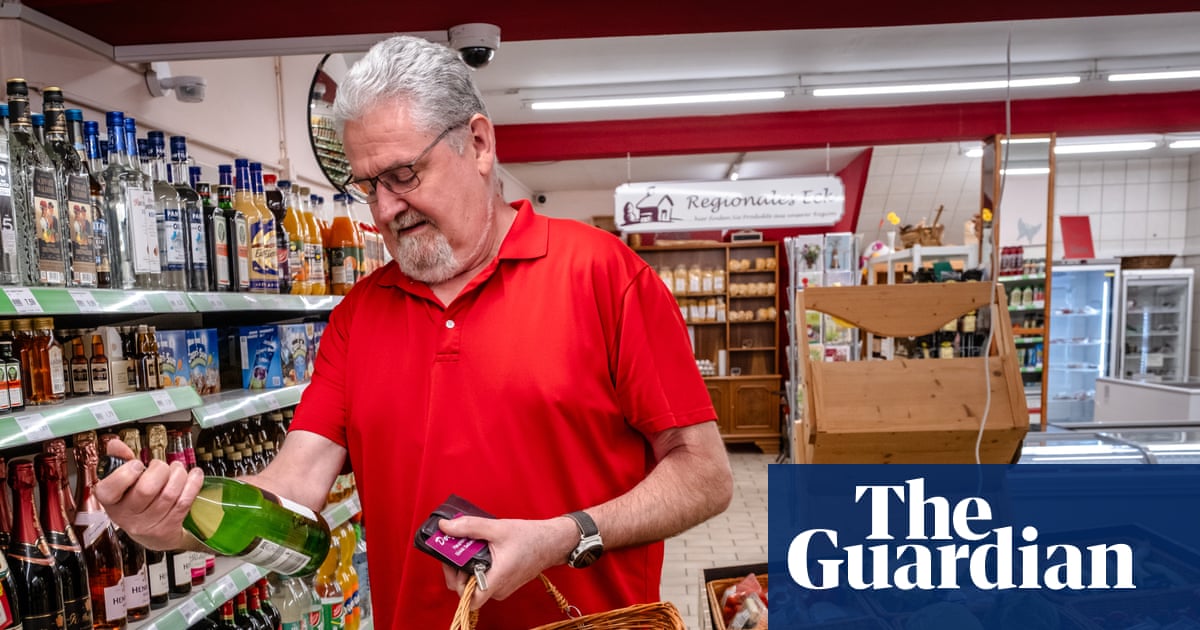
Small family-run Tante Emma shops across Germany face pressure from staffing shortages, supermarket competition, and rising inflation. War-related inflation has intensified the strain, contributing to rural disaffection and support for political extremes. Governments in regions such as Rhineland-Palatinate have launched pilot programs to preserve local stores. Existing shops are retrofitted so customers aged 18 and over can enter using electronic fobs or cards, shop independently, and pay on their own. The model offers availability at all hours while reducing labor costs, helping shops earn more and remain open. In Seibersbach, the Dorfladen shop shifted to the hybrid format in December after losses driven by energy price hikes and minimum wage increases.
"Once upon a time, every German village had its own Tante Emma laden (Aunt Emma shop), a family-run hub of community life where local people bought their groceries at affordable prices and shot the breeze with their neighbours. But in recent years the loose network of small businesses throughout Europe's biggest economy has come under huge pressure from staffing shortages, competition from supermarket chains and rising inflation, which the Iran war has again sent surging."
"Concerned that the creeping death of the stores is also fuelling the rural disaffection that has driven many voters to political extremes, governments in several regions have stepped in with some 21st-century innovation. In Rhineland-Palatinate, where the far-right Alternative fur Deutschland came third with nearly 20% in a state election in March a record in a west German region officials are seeking to root out the wellsprings of the party's appeal in rural areas."
"Under a pilot programme known as hybrid village stores, existing businesses are being retrofitted so villagers over the age of 18 can shop out of hours autonomously: letting themselves in with an electronic fob or card, shopping and paying on their own. Because they are available to customers at all hours with lower labour costs, the shops make more money and are able to stay afloat."
"I had written a cry for help that our shop wasn't going to make it because we kept slipping into the red, between energy price hikes from the Ukraine war and the minimum wage increase [which rose to 13.90 an hour this year], she said. Last year and the year before it was really touch and go with the shop and so we decided to try something new."
Read at www.theguardian.com
Unable to calculate read time
Collection
[
|
...
]