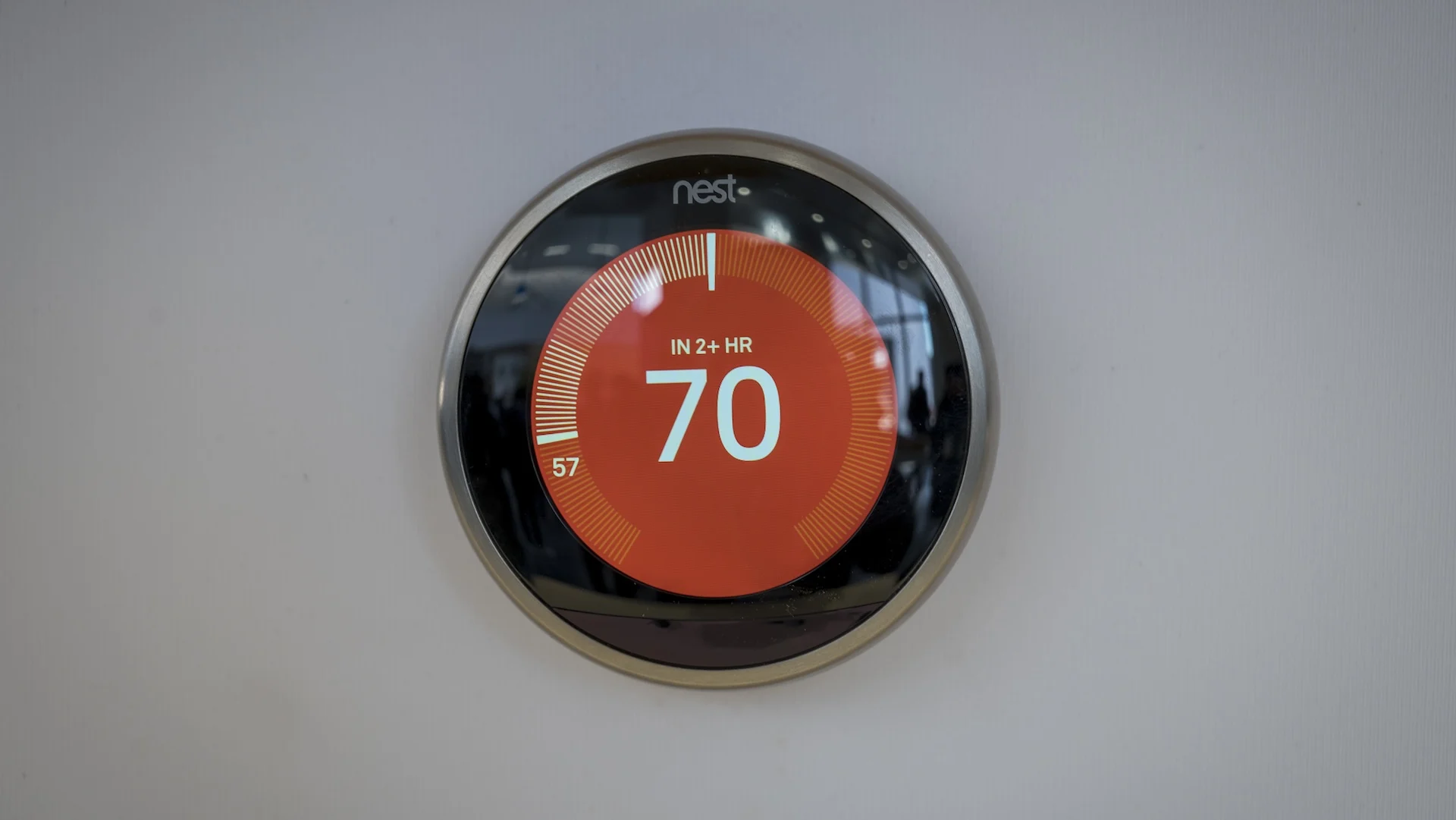
"That may not seem like a big deal, except that the single greatest thing about using a Nest Thermostat wasn't the fact that it would learn your habits and create routines, or that it would detect when you're not home and adjust accordingly. No, the best thing about using a Nest Thermostat was that you could open the app and turn on the furnace before you headed home from the company Christmas party."
"The original Nest Learning Thermostat was both incredibly well designed and also magically smart. It learned user behavior, saved energy, and looked good doing it. Nest quickly became the most recognizable name in the beginning days of the smart-home market. Google bought Nest in 2014 for $3.2 billion, signaling how important the company believed the connected home would become. For a while, Nest operated semi-independently, expanding into products such as smoke detectors, cameras, and doorbells."
Google ended software support in October for the original and second-generation Nest Learning Thermostats, preventing internet connectivity and blocking Nest and Google Home app access. The thermostats retain basic local thermostat functions but lose remote control and cloud-dependent features. The most valued feature was remote app control to preheat a home and the device's learning and occupancy-based adjustments. Many affected devices remain fully functional hardware-wise despite losing connectivity. Nest began in 2011 with Tony Fadell, produced elegant, energy-saving thermostats, and became a leading smart-home brand. Google acquired Nest in 2014 and expanded its product line into detectors, cameras, and doorbells.
Read at Fast Company
Unable to calculate read time
Collection
[
|
...
]