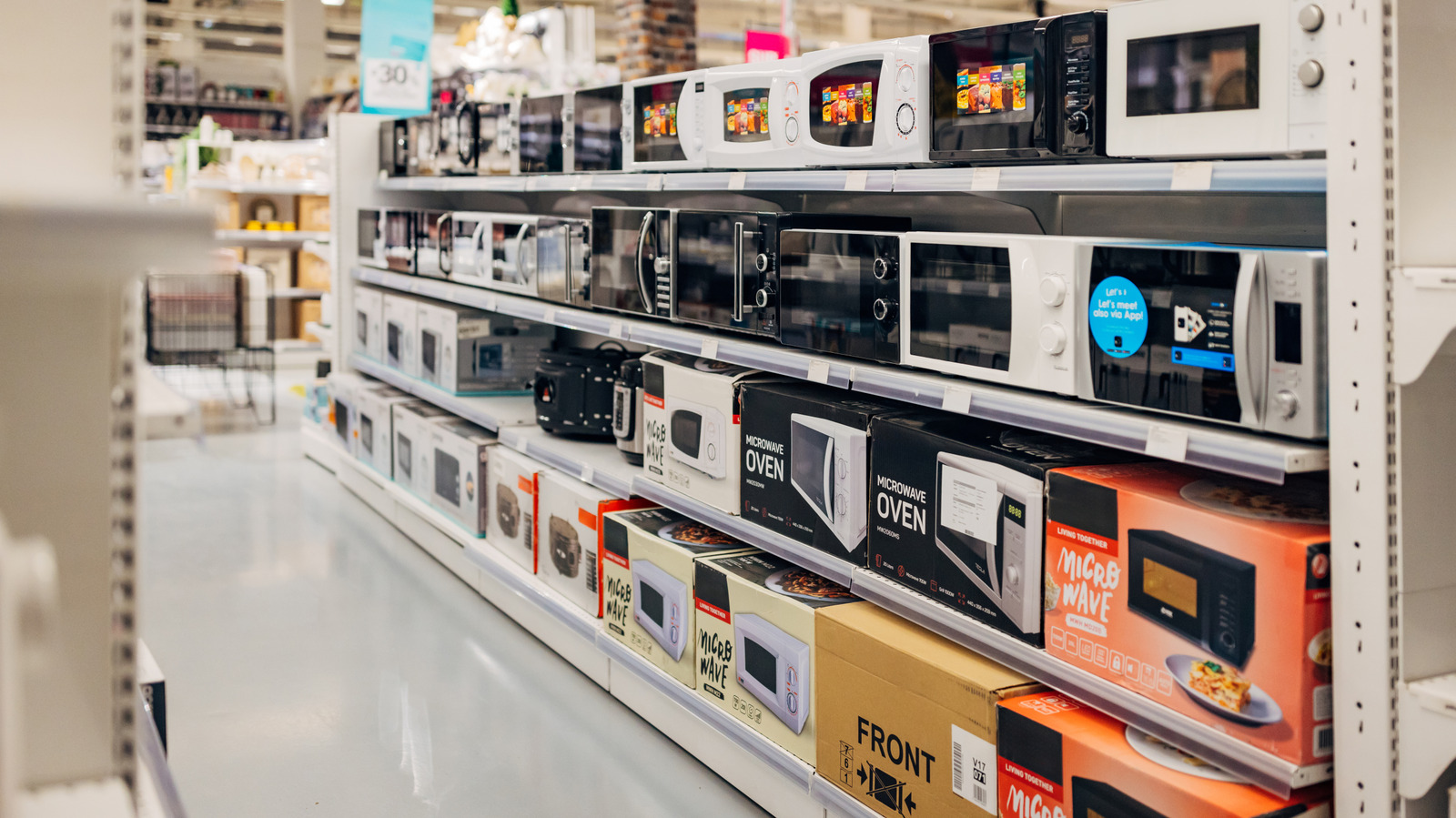
"Why should you care about my opinion? Well, as a trained chef and former restaurateur, I've worked a lot of microwaves over the years, in venues ranging from restaurant and commercial kitchens to teaching kitchens, church and community kitchens, upscale homes where I've done private catering, and of course in my own home. That's given me insight not just into features and styles, but nuances like how your microwave affects work flow in the kitchen. So with that in mind, let's get started."
"The features on microwaves are always changing, as manufacturers try to gain an edge on the competition, so yesterday's top-tier highlights are today's table stakes. For example, 1000-watt microwaves used to be high-end, but now they're routine and many models offer even more power (to be clear, 1000 watts is a good wattage for most households unless you're getting an oversized model that needs more oomph)."
Microwaves evolved from bulky 1950s commercial units into compact, efficient household appliances now present in the majority of American homes. Wide model variety and frequent feature changes make selecting the right microwave challenging. Manufacturers routinely elevate once-premium features to standard offerings, so focus on functions that will actually be used. Around 1000 watts is common and generally sufficient for typical households, though oversized models may need more power. Key considerations include programmable cooking and defrost settings, smartphone integration, multi-stage or sensor cooking for complex dishes, and inverter technology for steadier, gentler power. Consider how a microwave fits kitchen workflow.
Read at Tasting Table
Unable to calculate read time
Collection
[
|
...
]