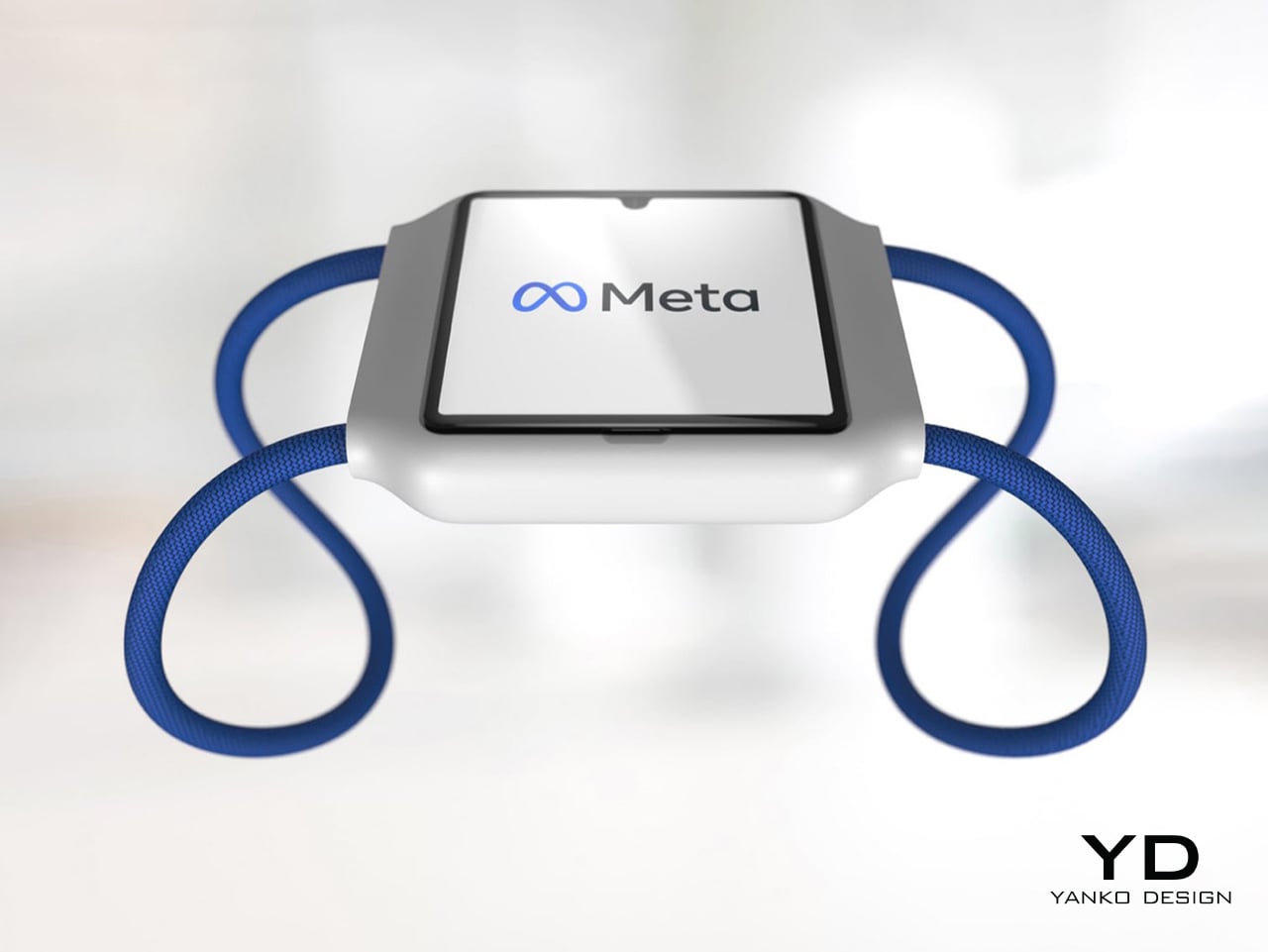
Meta is developing a smartwatch codenamed Malibu 2 with health sensors measuring heart rate, sleep, activity, and other biometric signals, targeting a 2026 launch. The device intends to integrate Meta AI and absorb gesture-control functionality currently provided by a neural wristband paired with Ray-Ban Display glasses. Malibu 2 follows a scrapped 2022 smartwatch effort and emphasizes health tracking and cleaner product strategy. The company has partnerships visible with Garmin on related hardware. Significant privacy and trust concerns arise because of recent congressional scrutiny over social media addiction, reports of facial-recognition features in smart glasses, and a patent for Project Lazarus.
"Meta is building a smartwatch, and it wants to know your heart rate, your sleep patterns, your activity levels, and whatever else it can pull from a sensor pressed against your skin all day. The device is codenamed Malibu 2, it's targeting a 2026 launch, and by most accounts it sounds like a perfectly competent health wearable. The problem isn't the hardware. The problem is the company attached to it."
"Meta's Ray-Ban Display glasses have been received surprisingly well by the press, and the neural wristband that ships with them, which uses electromyography to read muscle signals and translate them into gestures, only works with those glasses. That's a real limitation. A smartwatch that absorbs that gesture-control functionality while adding health tracking and a persistent AI assistant would close a gap that currently makes the whole setup feel incomplete. From a pure product strategy standpoint, Malibu 2 makes sense."
"This is the same Meta that just faced congressional scrutiny over social media addiction today. The same Meta whose smart glasses are reportedly inching toward facial recognition. The same Meta that filed a patent for Project Lazarus, a system designed to generate posthumous content from deceased users, because apparently your data doesn't stop being useful to them just because you do. Handing your most intimate biometric information to that company is a case study in one."
Read at Yanko Design - Modern Industrial Design News
Unable to calculate read time
Collection
[
|
...
]