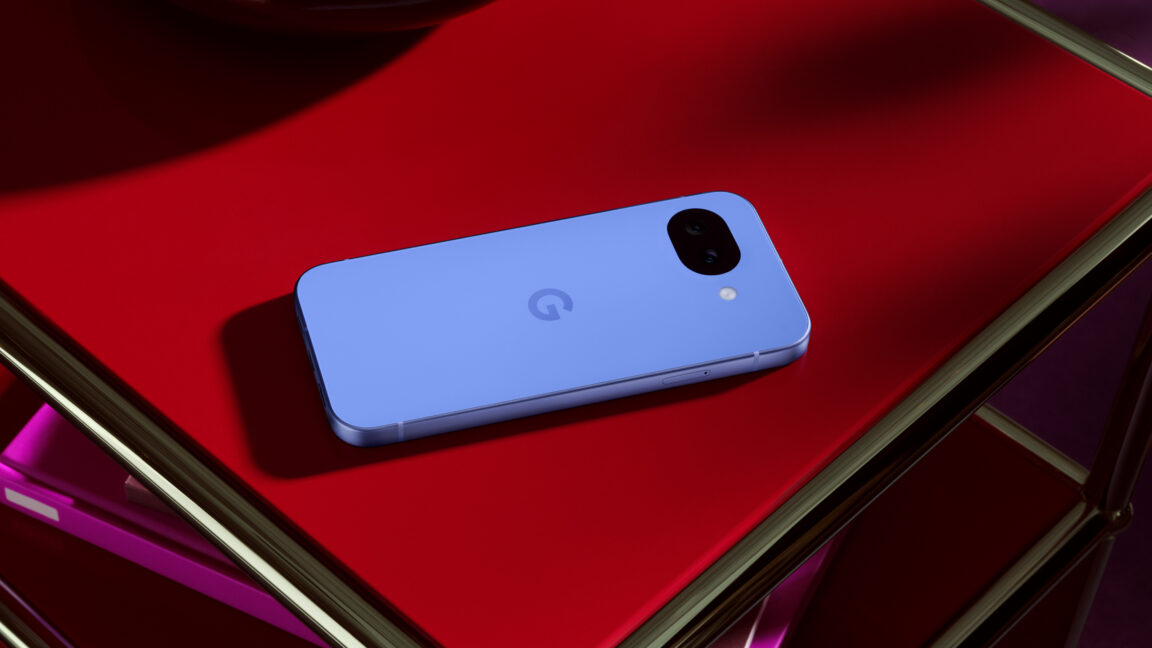
"It's that time of year-a new budget Pixel phone is about to hit virtual shelves. The Pixel 10a will be available on March 5, and pre-orders go live today. The 9a will still be on sale for a while, but the 10a will be headlining Google's store. However, you might not notice unless you keep up with the Pixel numbering scheme. This year's A-series Pixel is virtually identical to last year's, both inside and out."
"Last year's Pixel 9a was a notable departure from the older design language, but Google made few changes for 2026. We liked that the Pixel 9a emphasized battery capacity and moved to a flat camera bump, and this time, it's really flat. Google says the camera now sits totally flush with the back panel. This is probably the only change you'll be able to identify visually."
"Google also says the new Pixel will have a slightly upgraded screen. The resolution, size, and refresh rate are unchanged, but peak brightness has been bumped from 2,700 nits to 3,000 nits (the same as the base model Pixel 10). Plus, the cover glass has finally moved beyond Gorilla Glass 3 to Gorilla Glass 7i, which supposedly has improved scratch and drop protection."
"There's also recycled gold, tungsten, cobalt, and copper inside, amounting to about 36 percent of the phone's weight. The phone also continues to have a physical SIM slot, which was removed from the Pixel 10 series last year. The device's USB-C 3.2 port can also charge slightly faster than the 9a (30 W versus 23 W), and wireless charging has gone from 7.5 W to 10 W. There are no Qi2 magnets inside, though."
The Pixel 10a launches March 5 with pre-orders immediately available and closely mirrors the Pixel 9a in design and internals. The camera module is now completely flush with the back panel while battery focus and a flat camera profile persist. The display keeps identical size, resolution, and refresh rate but increases peak brightness to 3,000 nits and upgrades to Gorilla Glass 7i. Construction uses more recycled materials (100% aluminum frame, 81% plastic back, about 36% recycled metals). The phone restores a physical SIM slot, raises USB-C wired charging to 30 W, and wireless charging to 10 W, and it retains the Tensor G4 rather than moving to a newer G5.
Read at Ars Technica
Unable to calculate read time
Collection
[
|
...
]