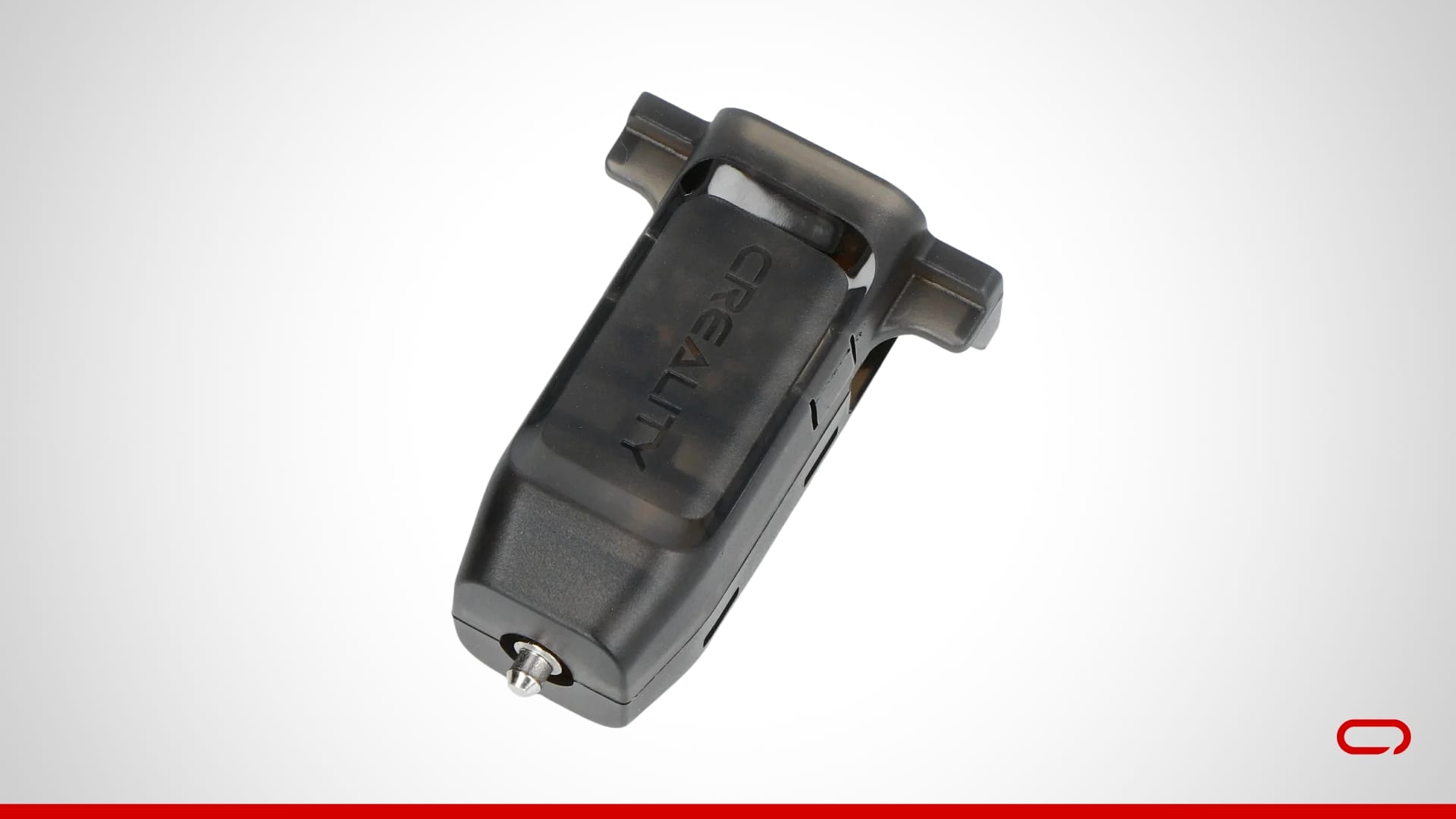
"The CR-Touch auto-leveling sensor on our Creality CR-10 SE stopped functioning properly in September 2025. Not a nozzle that wore out from hundreds of hours of printing. Not a belt that stretched. Not a fan bearing that gave up after thousands of hours. An electronic sensor with a probe mechanism. For context, we've been running this printer regularly since purchasing it in March 2024, not abusively, not commercially, just standard maker use."
"The CR-Touch works by using a small metal probe that extends and retracts to physically contact the build plate. The probe's motion is controlled magnetically via an internal electromagnet, and contact is detected electronically by an internal sensor. The probe itself acts only as a mechanical trigger for the electronic detection system. When it failed, the printer could no longer probe the bed correctly, and therefore refusing to print."
"When it failed, the printer could no longer probe the bed correctly, and therefore refusing to print. In our case, the CR-Touch has repeatedly failed due to the probe sticking, most likely caused by humidity, an issue we have encountered before. We contacted support at the time and were informed that there was nothing they could do. Cleaning the probe temporarily restored normal"
A CR-Touch auto-leveling sensor on a Creality CR-10 SE failed in September 2025 while still covered by the two-year warranty, leaving the printer unable to probe the bed. Creality's distributor resisted the warranty claim for 23 days using procedural excuses to avoid honoring the legal warranty. The sensor consists of a small metal probe driven magnetically with electronic contact detection; repeated probe sticking, likely from humidity, caused the failure. The printer received ordinary hobbyist use since March 2024. Initial support offered no durable remedy and cleaning only temporarily restored function, until payment was forced.
Read at Adrelien | Meshtastic, IoT & Off-Grid Tech Guides
Unable to calculate read time
Collection
[
|
...
]