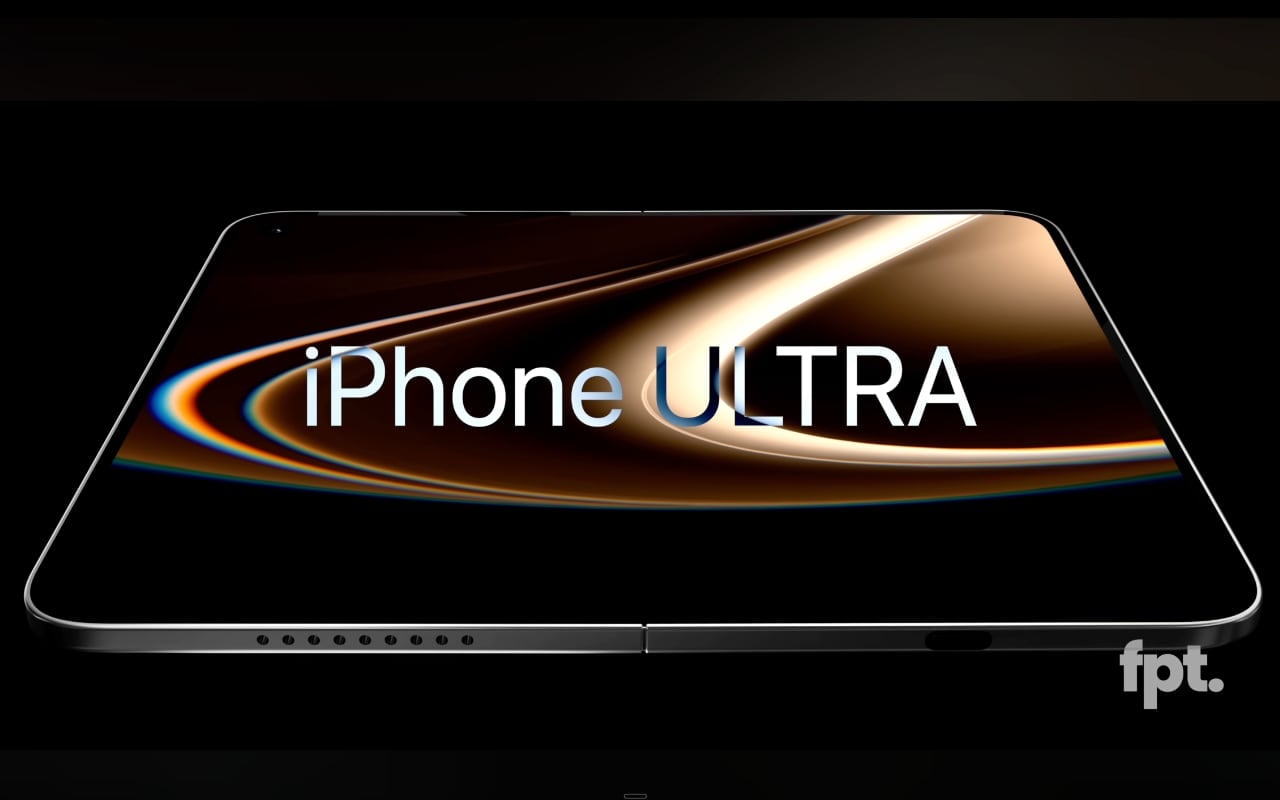
"You notice it immediately when light catches the fold at certain angles. Samsung has iterated through six generations of the Galaxy Z Fold line, refining hinge mechanisms, adjusting UTG formulations (the ultrathin glass layers that cover foldable displays), and experimenting with display stack configurations. The crease persists. Google's Pixel Fold carries it. Motorola's razr carries it. The crease has become an accepted industry tax, a visual and tactile reminder that folding glass remains an unsolved materials engineering challenge."
"What remains unverified: The central claim of zero visible crease, which cannot be confirmed until production hardware is tested. Recent leaks from Prosser suggest Apple intends to eliminate this compromise entirely. The renders depict a book style foldable iPhone expected alongside the iPhone 18 series in Fall 2026. Zero visible crease on the internal display. If accurate, this represents not an incremental refinement but a fundamental breakthrough in foldable display architecture."
Every foldable phone on the market has a visible crease down the center of the internal display that appears when light catches the fold. Samsung has iterated through six Galaxy Z Fold generations refining hinges, UTG formulations, and display stacks, yet the crease persists across devices including Google's Pixel Fold and Motorola's razr. Jon Prosser leaked renders dated December 24, 2025 depict a book style foldable iPhone alongside the iPhone 18 series, targeted for Fall 2026 with reported pricing of $2,000–$2,500. The central claim of a zero visible crease remains unverified until production hardware is examined. The crease arises from material behavior in flexible OLED stacks, where glass substrates are replaced by polyimide that accumulates stress over time.
Read at Yanko Design - Modern Industrial Design News
Unable to calculate read time
Collection
[
|
...
]