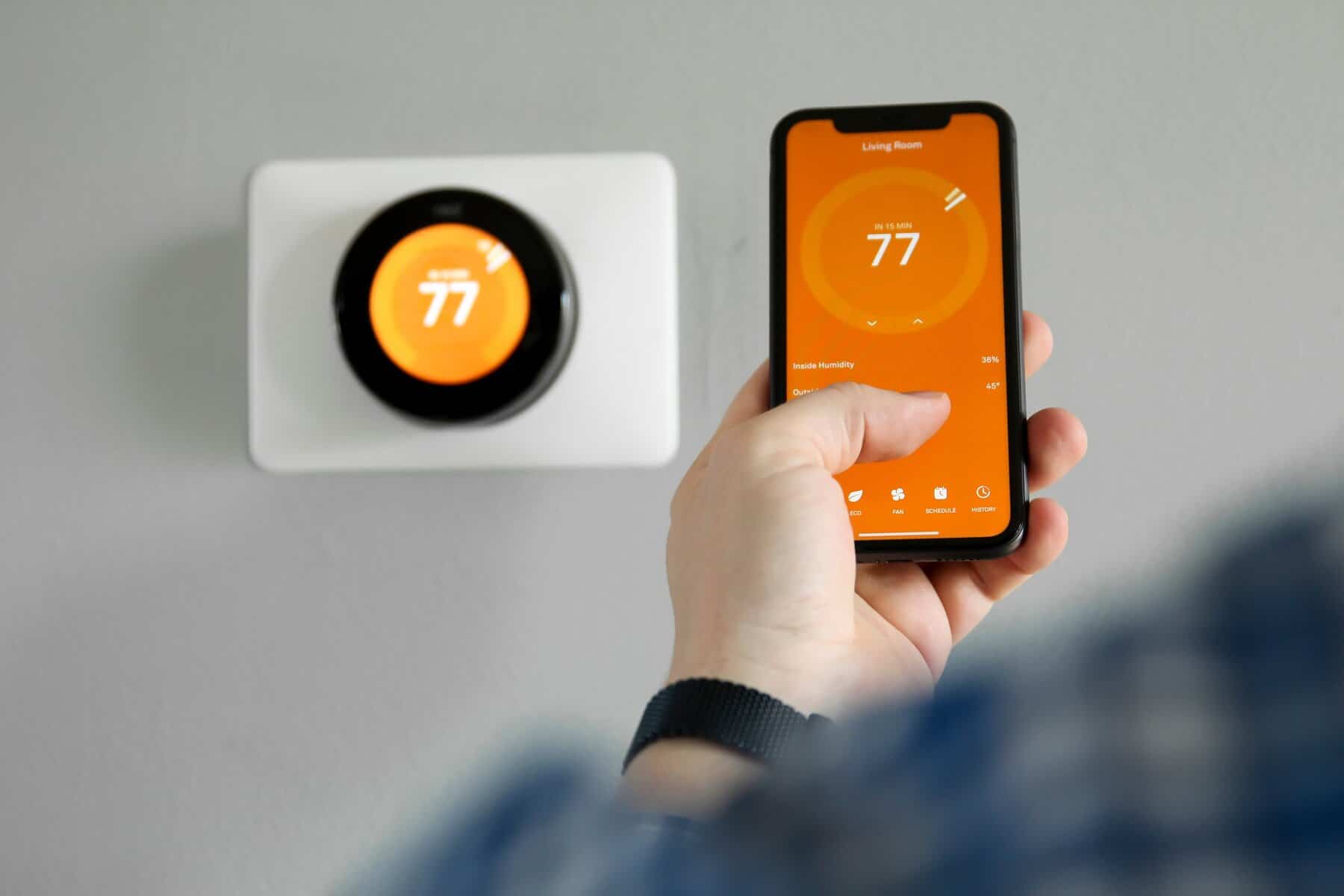
Smart home technology can add convenience, security, and energy savings without overspending when upgrades are planned carefully. Devices typically require companion apps for setup and ongoing management, so app usability, stability, features, and regular updates matter. A smart hub coordinates connected devices, acting as the system’s central communication point. Choosing hubs and devices that use open standards such as WiFi or Zigbee helps prevent lock-in and supports gradual scaling. Major platforms like Amazon Alexa, Google Home, and Apple HomeKit vary in compatibility, so planned devices should be checked against hub communication protocols to avoid incompatible purchases later.
"“Before committing to a smart home device purchase, check the usability of companion apps.” Download and test smart home apps if possible, or read reviews focusing on ease of use, stability, and feature set. A device with robust physical hardware can be hindered by a poorly designed app."
"“A well-built application allows you to create a smart home ecosystem throughout your home and get long-term value from your devices.” Look for apps that provide centralized control, clear onboarding instructions, and regular updates to ensure security and compatibility."
"“Focusing on devices that use open standards like WiFi or Zigbee so you are not locked into one ecosystem that can scale gradually.” A smart hub acts as the brain for your connected devices, allowing them to communicate with each other, so choosing the right hub is critical for building a cohesive and budget-friendly ecosystem."
"Major platforms like Amazon Alexa, Google Home, and Apple HomeKit offer varying levels of compatibility and features. Select a hub that supports the communication protocols of your planned devices to avoid buying incompatible technology later."
Read at Redfin | Real Estate Tips for Home Buying, Selling & More
Unable to calculate read time
Collection
[
|
...
]