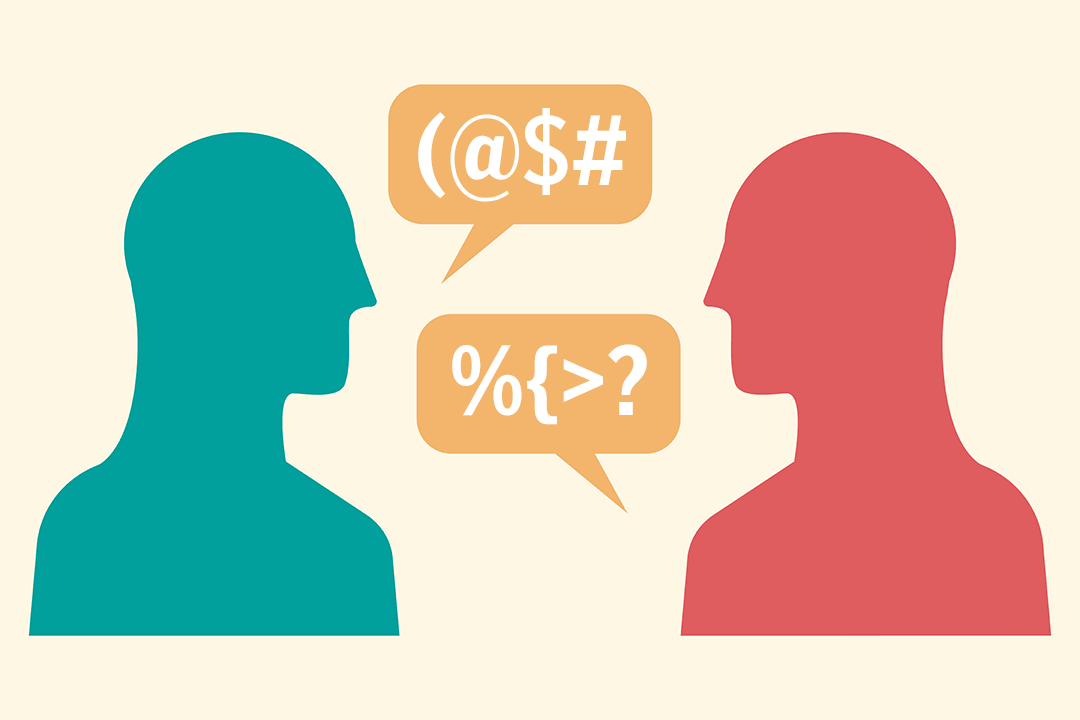
"It's not just that journalists and funders are speaking different languages; they're often working from different mental models. And it's that difference in approach that accounts for a lot of the frustration from newsrooms. It's easy to assume that philanthropy is just one more revenue stream - another way to pay for the work you're already doing. But philanthropic dollars tend to support the very kinds of journalism that the market alone won't sustain and that earned revenue won't justify. That context matters because it changes how you show up in these conversations."
"A lot of news organizations approach philanthropy like a transaction: You have an idea, you pitch it, and, if the idea is good enough, you get a grant. Unfortunately, that's just not how it works. Funding decisions at foundations tend to come out of something slower and less linear: first aligning around a problem, and then building trust with people doing the work. The grant is often the result of that process, not the starting point."
"Early conversations shouldn't be about your proposal. They should start with a problem that your work tackles, the role that journalism can play and then, significantly, how that work lines up with what the funder is trying to do. And this isn't a one-sided relationship. Funders are looking for strong partners just as much as newsrooms are looking for funding. They're trying to figure out who to trust to do meaningful work in the areas they care about."
Journalists and funders often miss each other because they use different languages and mental models, creating frustration when fundraising falls short. Philanthropic dollars usually support journalism that markets and earned revenue cannot sustain, so the context of philanthropic funding changes how newsrooms should engage. Effective fundraising depends on understanding how foundations make decisions: they typically align around a problem first, then build trust with practitioners, and only afterward result in grants. Early conversations should focus on the problem addressed, journalism’s role, and alignment with the funder’s priorities, not on presenting a proposal. Funders also seek strong partners and trust in the people doing meaningful work.
Read at Poynter
Unable to calculate read time
Collection
[
|
...
]