"You can eat the peel of a Menton lemon; it has a thick, sweet rind. You can eat the whole thing; it's totally organic and very juicy. Menton's microclimate, its warm winters, terraced hills and sandy soil make it perfect for growing citrus fruit. What's particular to the Menton lemon is that it has a smile, a small curvy fold at one end."
"This time of the year, late February and March, is called yellow time, owing to the lemons, daffodils and the mimosa on the hillside. It's also the time of the Fete du Citron, a two-week festival with parades, giant floats and, this year, huge models of a whale, 12-metre-high parrots and entwined storks all covered in citrus fruit."
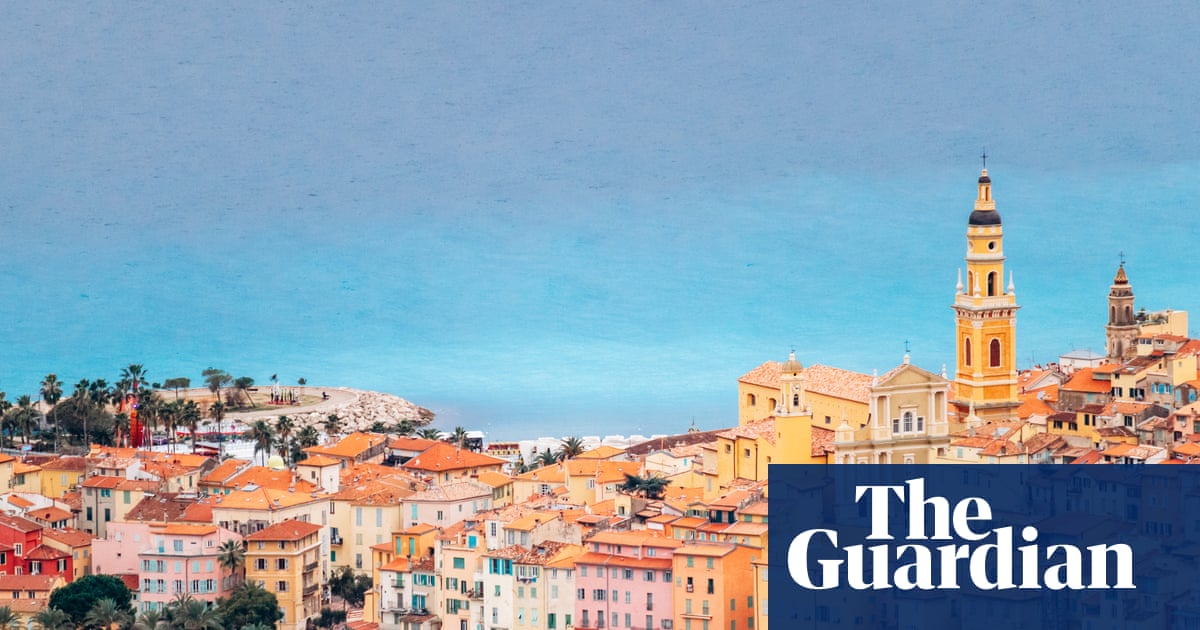
"The seaside town on the French-Italian border has changed identities many times in its history. It was the only town in France completely annexed by the Italians during the second world war, but has also belonged to the Grimaldis of Monaco, was part of the kingdom of Sardinia, and only became French after a public vote in 1860."
Menton is a seaside town on the French-Italian border with a complex history, having changed sovereignty multiple times before becoming French in 1860. The town's economy and culture center on lemon production, enabled by its ideal microclimate, warm winters, terraced hills, and sandy soil. Menton lemons are distinctive for their thick, sweet, edible peel and characteristic curved fold. The town celebrates this heritage through the Fete du Citron, a two-week festival held in late February and March featuring parades, giant floats, and citrus-covered sculptures. Chef Mauro Colagreco at Mirazur restaurant incorporates Menton lemons and other citrus fruits into his cuisine. The festival uses approximately 123 tonnes of citrus fruit, primarily from Spain and Portugal, rather than expensive local lemons.
#menton-lemons #fete-du-citron-festival #french-italian-border-town #culinary-tourism #citrus-cultivation
Read at www.theguardian.com
Unable to calculate read time
Collection
[
|
...
]