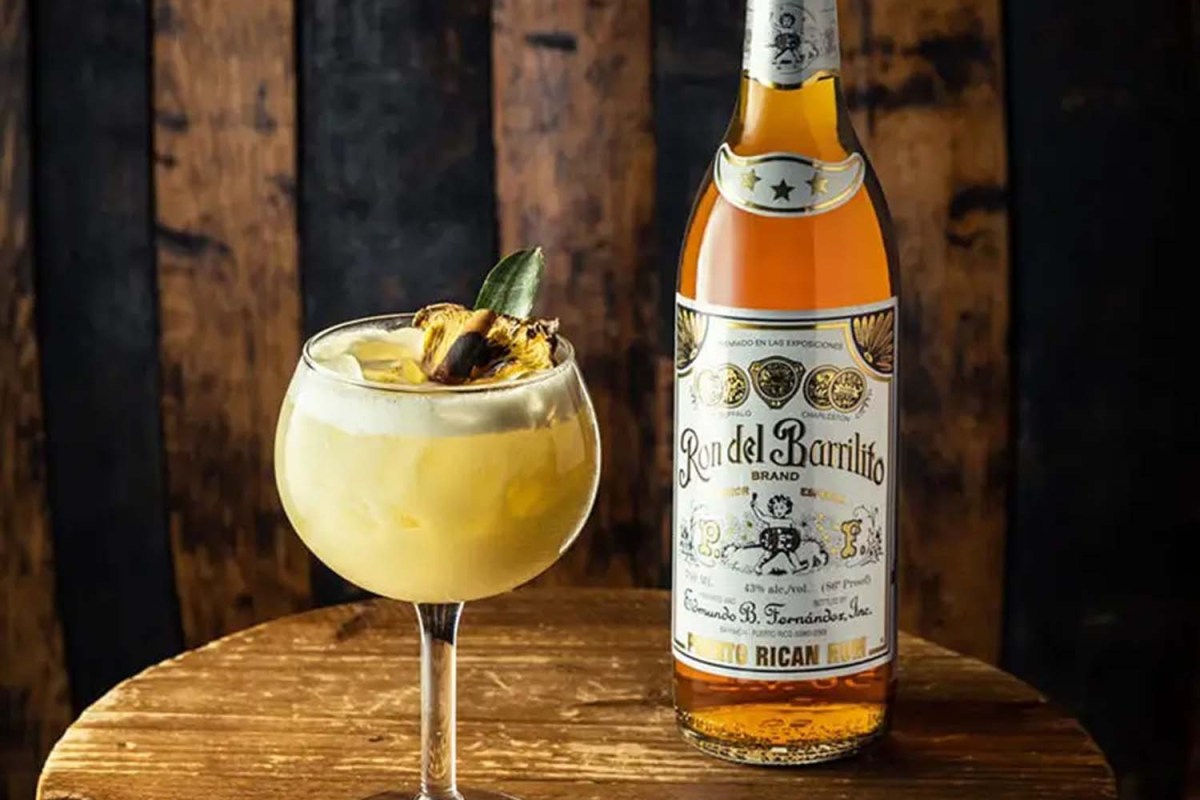
""I believe Puerto Rico is the rum capital of the world," says Nicky Fas, bar director for Pantera and Bambina in Caguas, PR. "Our rums are a very important part of our island's culture and identity.""
"Home to the Piña Colada (and its conflicting history) and accounting for 70% of the rum consumed in the United States, Puerto Rico offers a lot more than just Bacardi. Not that there's anything wrong with that brand - there's a reason it's the largest rum producer in the world. But the country also offers a plethora of craft rum distilleries that deserve the same visibility."
"Rum production in Puerto Rico dates back to the 16th century, when sugarcane rootstocks were introduced to the island by Juan Ponce de Leon. And while several distilleries I'll reference date back to the 1800s, it was Bacardi's arrival in 1936 that helped define and popularize rum on the island. (Today, the company has operations in several countries but had its start in Cuba.)"
Rum production in Puerto Rico began in the 16th century with the introduction of sugarcane rootstocks by Juan Ponce de Leon. Centuries of distilling evolved into industrialized column-still production in the early- to mid-20th century, emphasizing consistency, aging, and export quality. Bacardi's arrival in 1936 helped popularize Puerto Rican rum globally, and the island now supplies a large share of rum consumed in the United States. Puerto Rico is associated with signature cocktails such as the Piña Colada and is home to both major producers and a growing number of craft distilleries and notable cocktail bars.
Read at InsideHook
Unable to calculate read time
Collection
[
|
...
]