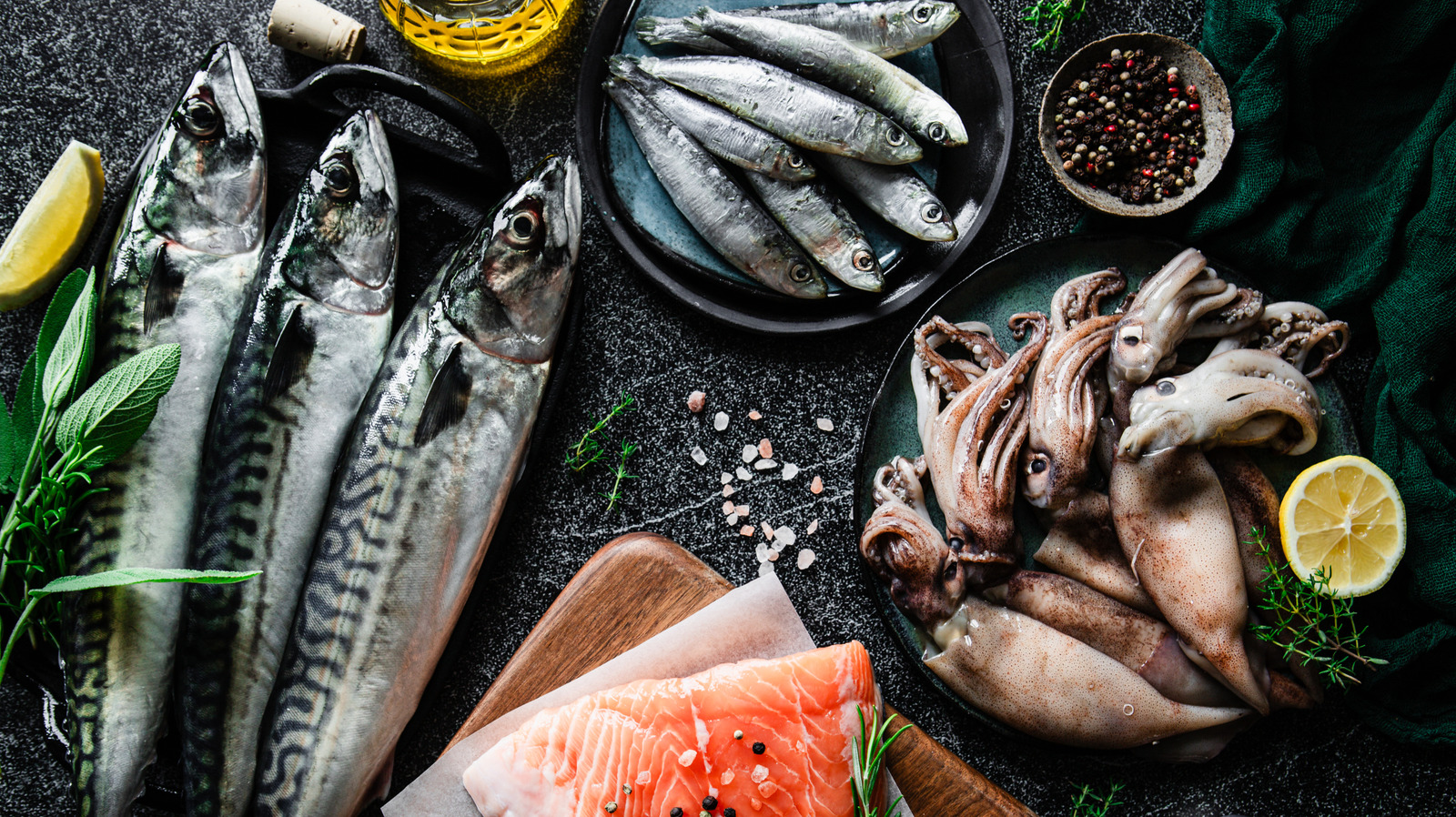
"When choosing a seafood restaurant, there's a long list of red flags you should look out for to ensure your meal will be both fresh, safe, and ethical. While things like lack of variety and overly-adorned seafood are worth questioning, one of the most overlooked red flags is a lack of seasonal offerings. You might think seasonality only applies to vegetables and fruit, but this is simply not the case."
""While fish are available year-round from different waters, the fish need a chance to rebirth," he explains, "and if we do not give them that chance, we are looking at causing some problems in our ecosystem." Along with harming our ecosystem, off-season fish simply aren't as fresh. While it is true that fish are available year-round from different waters, it's more likely to be shipped from across the world than from your nearest coastline."
Seasonal seafood improves flavor, quality, and environmental outcomes. Fish populations need seasonal rest to reproduce and avoid ecosystem damage from overfishing. Off-season seafood often travels long distances, reducing freshness and raising costs. Restaurants that do not feature seasonal options may be serving imported, less-fresh, and more expensive seafood. Consumers should seek locally in-season seafood to support sustainable practices and enjoy superior taste. Salmon, for example, is often freshest April through October in many regions, yet it is commonly eaten year-round in frozen or shipped form.
Read at Tasting Table
Unable to calculate read time
Collection
[
|
...
]