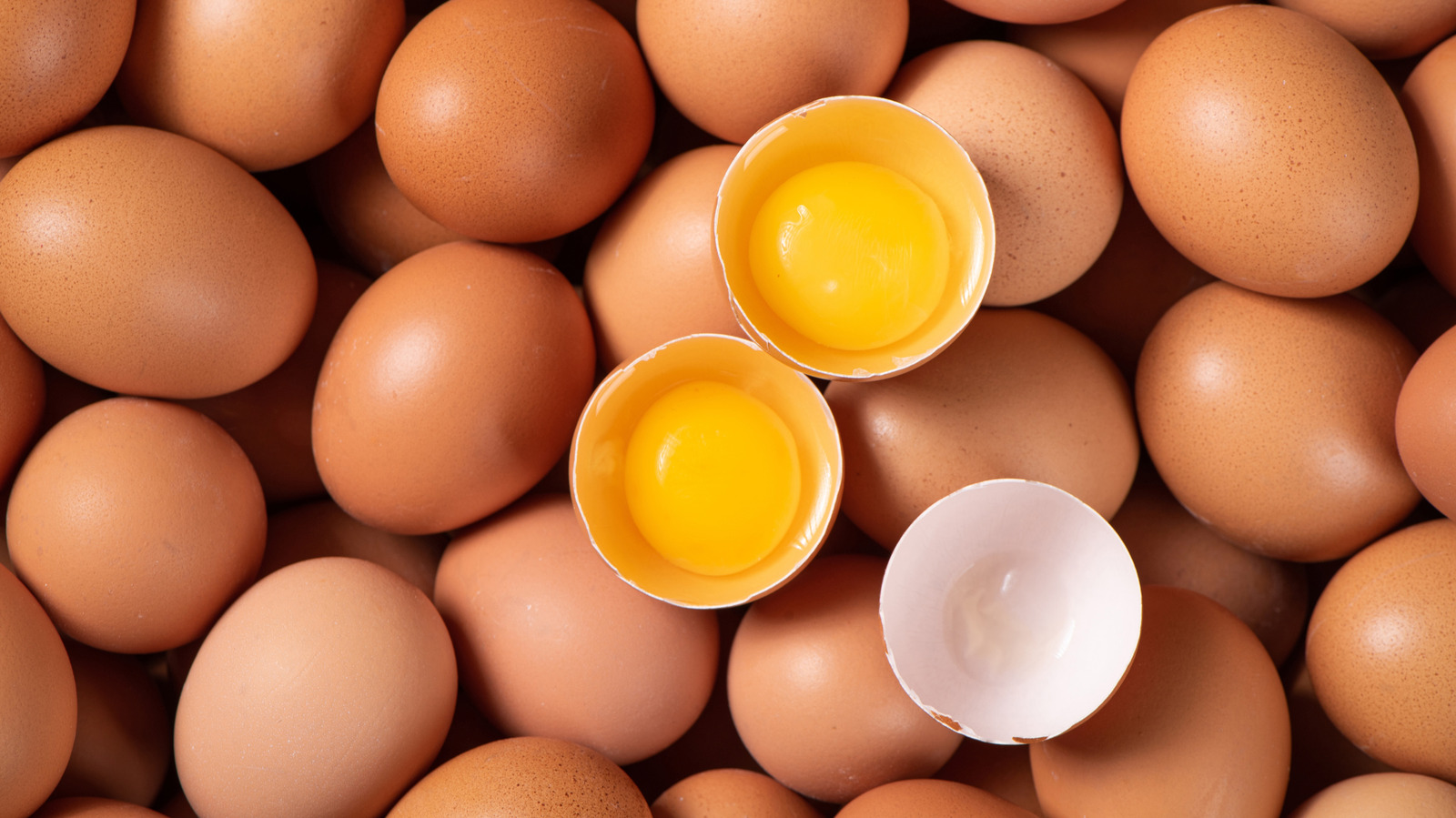
"Egg grades are all about quality as assigned by a trained grader, who places them in categories based on things like flawless exteriors, shapes, and importantly, the egg's interior - which is gauged by a lighting technique known as candling to confirm defined qualities for the egg's yolk, white, and air cells."
"Unlike in grades AA and A, it's okay for grade B eggs to have light exterior staining and uneven shapes. Their whites may be watery, cells can be more wiggly or bubbly, and the yolks flatter, wider, and darker. All these things are collectively why grade B eggs rarely make a presence in cartons of grocery-store eggs."
"Grade B eggs may not be pretty and perfect, but they're still edible. In fact, you've likely consumed them in unexpected ways, typically in the form of egg products. That category includes frozen egg products, such as scrambled eggs, omelettes, and frittatas, as well as pre-prepared versions from grocery-store delis, buffets, or restaurant meals."
The USDA grades eggs from AA to B based on quality standards assessed by trained graders. Grade B eggs are considered edible but have allowable defects including light exterior staining, uneven shapes, watery whites, bubbly air cells, and flatter, darker yolks. These imperfections make them unsuitable for retail sale as whole eggs, as most consumers prefer flawless eggs. However, grade B eggs are not wasted. Instead, they are processed into egg products like frozen scrambled eggs, omelettes, frittatas, and pre-prepared deli items. Consumers regularly consume grade B eggs through these processed forms without realizing it.
Read at Tasting Table
Unable to calculate read time
Collection
[
|
...
]