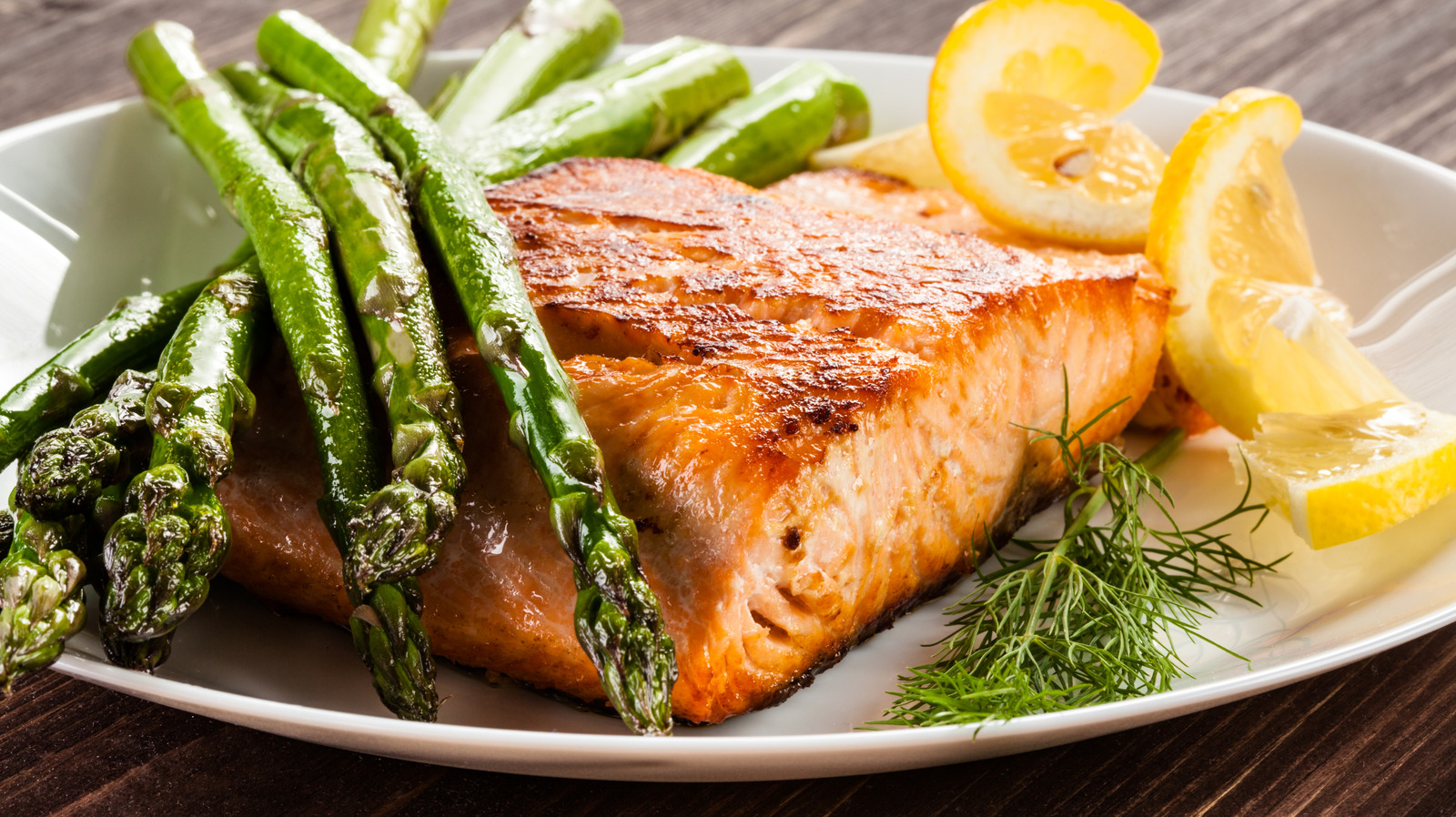
"According to the Journal of Food Protection, there were 2,400 seafood recalls in the United States between 2002 and 2022. Research presented in the journal Foodborne Pathogens and Disease shows that about 260,000 Americans fall ill from fish every year. A lot of this happens in restaurants. While you hope no one is knowingly serving spoiled fish, some restaurants may try to mask spoilage simply by using lemon."
"That stereotypical fishy odor is chiefly caused by a compound called trimethylamine. It's a natural result of fish muscle tissue breaking down. The older the fish, the more it will smell. But the citric acid in lemon juice neutralizes the alkaline trimethylamine, reducing the smell. An unscrupulous chef could use this to mask fish that has just begun to spoil."
Seafood carries significant food-safety risks, with 2,400 U.S. seafood recalls from 2002–2022 and about 260,000 Americans falling ill from fish each year. Restaurants are a common setting for seafood-related illness. Citric acid in lemon juice can chemically neutralize alkaline trimethylamine, the compound responsible for the characteristic fishy odor, thereby reducing or masking early spoilage smells. Consumers should rely on additional signs of spoilage such as putrid, sour, or ammonia-like odors; soft or mushy texture that does not spring back; and overly fishy flavors. Trusting sensory cues helps detect potentially unsafe fish.
Read at Tasting Table
Unable to calculate read time
Collection
[
|
...
]