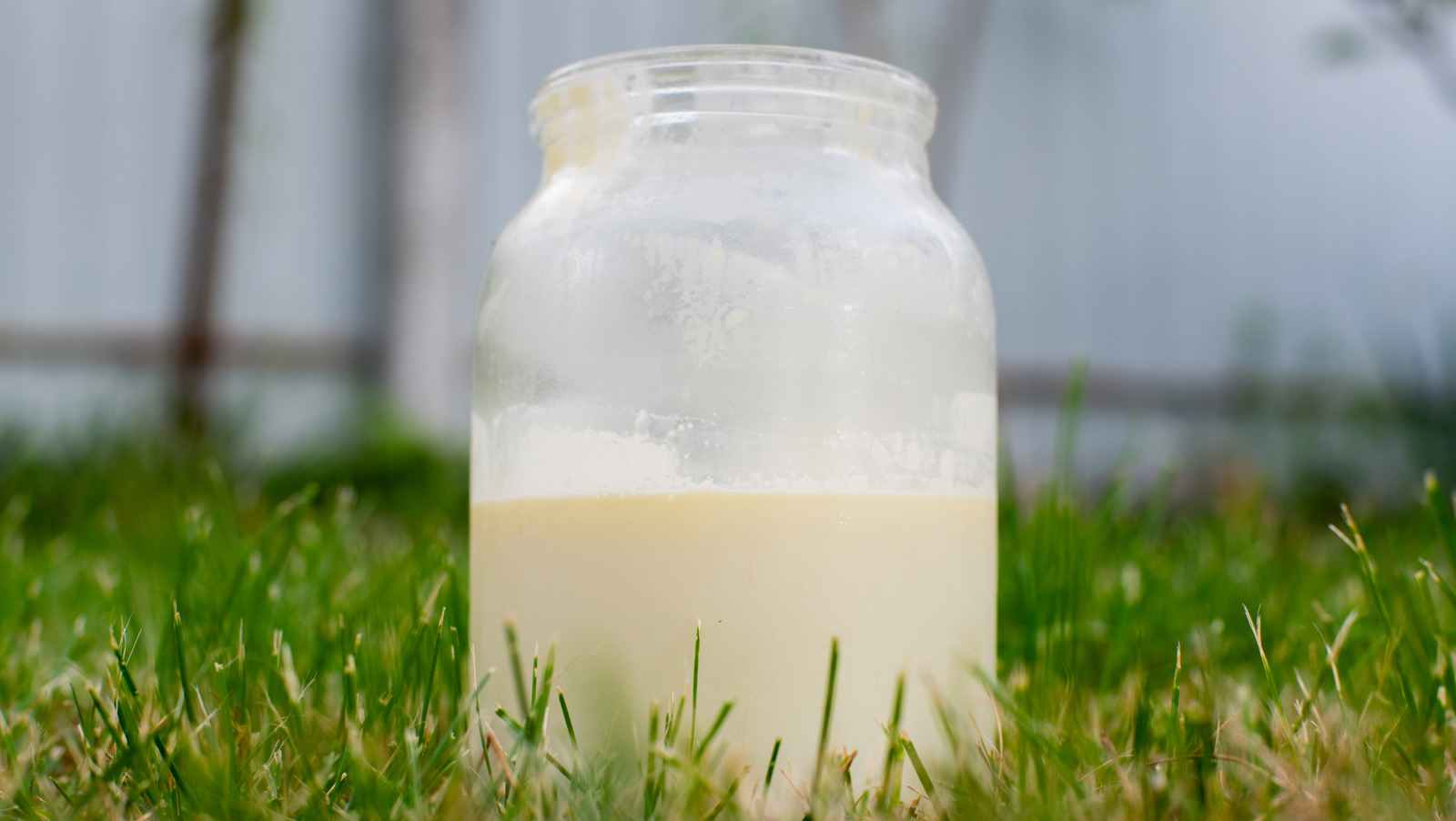
"Where raw milk is concerned, the issue is not one of product branding but one of consumer safety, as raw milk isn't pasteurized. Pasteurization kills harmful bacteria that can cause food-borne illness, including Campylobacter, E. coli, Listeria, and Salmonella. During the pasteurization process, milk is heated to a temperature high enough to neutralize dangerous pathogens and held at that temperature long enough to get the job done"
"As of 2024, federal legislation has banned the sale of raw milk in Canada, China, and Scotland, while other countries still allow certain retail channels to endure. Brazil, for instance, permits raw milk sales in areas without steady access to pasteurized milk, and in Japan, farms that agree to random hygiene checks may sell it. Some foodies simply prefer raw milk's unique taste and mouthfeel to commercial pasteurized milk."
Raw milk is consumed by some for its unique taste and mouthfeel but is not pasteurized. Pasteurization heats milk to kill harmful bacteria such as Campylobacter, E. coli, Listeria, and Salmonella, and ultra-pasteurization uses even higher temperatures. Without pasteurization, disease-causing microorganisms can enter and multiply in milk. Federal legal status varies by country: some nations ban sales (Canada, China, Scotland), while others allow regulated retail channels or permit sales in areas lacking pasteurized supply. Brazil permits sales in underserved areas, and Japan allows farm sales with random hygiene inspections. Claimed dietary benefits of raw milk, including cures for lactose intolerance and allergy prevention, lack proven support.
Read at Tasting Table
Unable to calculate read time
Collection
[
|
...
]