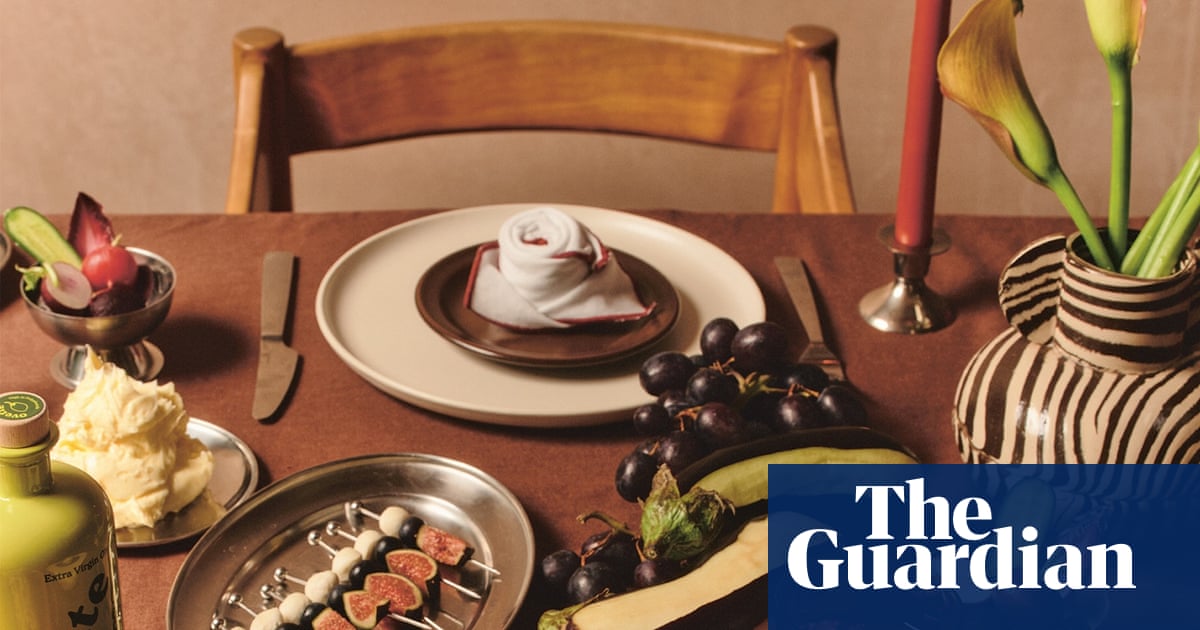
A feast emphasizes togetherness and the emotional pleasure of sharing food, more than merely satisfying hunger. Hosting and creating a welcoming atmosphere matter as much or more than technical culinary skill. Simple gestures — folded napkins, candles, a bountiful table — set a relaxed, special tone and reduce pressure during service. Modern tablescaping favors mixing over matching and prioritizes enjoyment over strict etiquette or inherited tableware. Practical simplicity like providing water and wine glasses keeps the table inviting rather than intimidating. Snobbery about formal rules undermines the convivial purpose of shared meals.
"A feast is not just about food. Just to sit at a table surrounded by the faces of your people: nothing beats it. A feast is about togetherness, whether there are two people at the table, or 16. The primal joy of good food taps into something even more fundamental than hunger; if food is a love language, a feast is a big hug. Is it sacrilege to say that being a host matters more than being a cook?"
"Forget about matching dinner services and solemn soldiers of cutlery; this is not about whether you inherited a soup tureen or which way the blade of a knife should point. The old-fashioned rules of laying the table have made way for the modern art of tablescaping, where mixing trumps matching, and the point is to make sure everyone is having fun, not to catch anyone out for not knowing which is their side plate. Hurrah for that. Snobbery always was terrible taste."
"I'm not too particular about which cutlery goes where, says Laura Jackson. I think it's nicer when the table feels relaxed rather than overly formal or fussy. I always include a glass for water and another for wine or a cocktail, and that's really all you need. It should feel inviting, not intimidating. The secret is to approach it playfully rather than treating it as a task that has to be done a certain way."
Read at www.theguardian.com
Unable to calculate read time
Collection
[
|
...
]