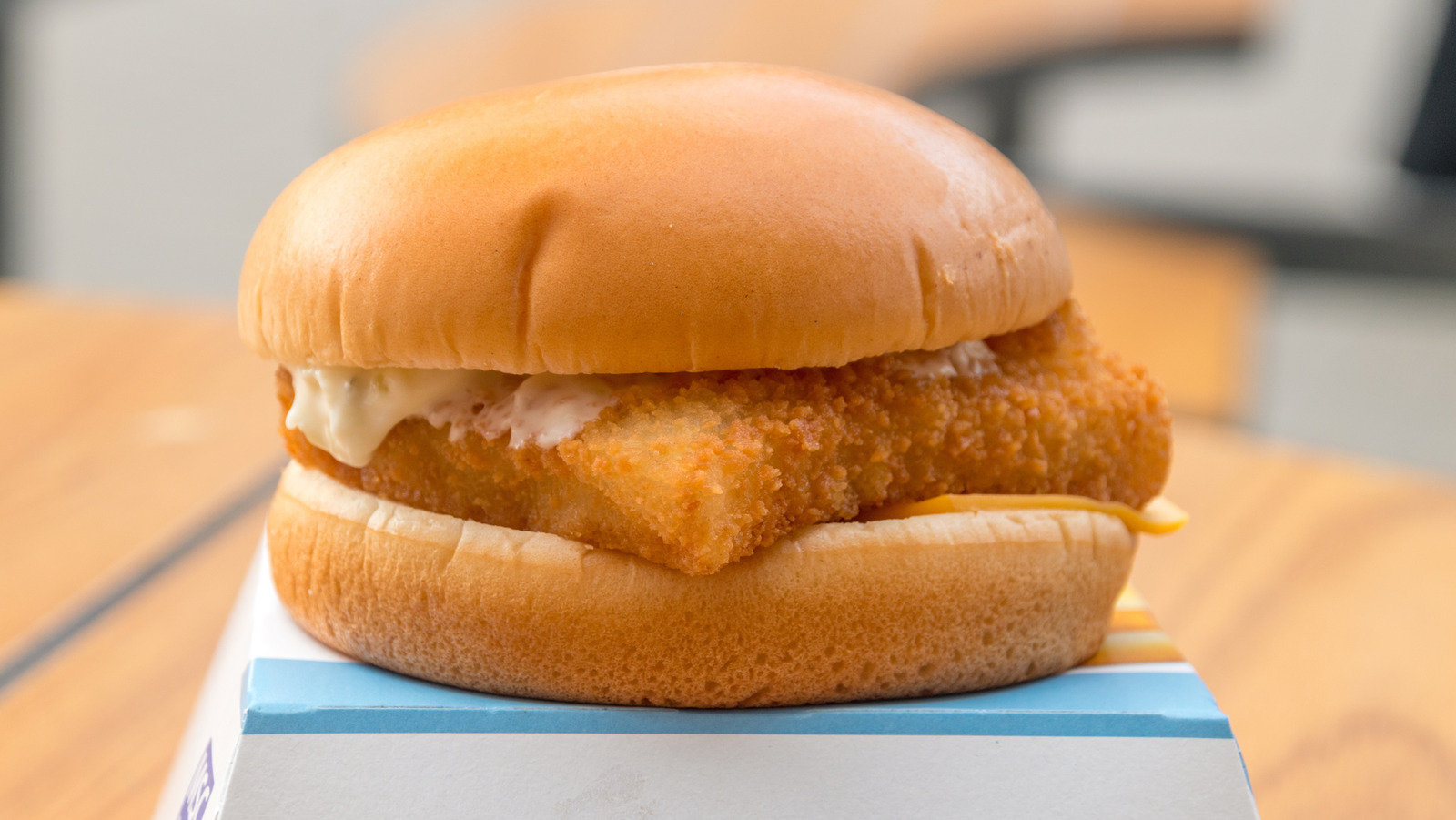
"It all started in 1962 with Lou Groen, a McDonald's franchisee operating in a Cincinnati suburb called Monfort Heights, where the population was predominantly Catholic. Unfortunately for Groen, that meant very few sales on Fridays, as that was the day most Catholics at the time abstained from eating meat. But they did eat fish, which inspired Groen to create the Filet-O-Fish and present it to McDonald's founder Ray Kroc."
"Confident in his creation and turned off by the idea of his restaurants smelling like fish, Kroc challenged Groen to a Good Friday sandwich showdown. The terms were simple: Both sandwiches would be sold at a few select locations, and the one with the most sales would be added to the menu. By the end of the competition, Kroc had sold six Hula Burgers to Groen's 350 Filets-O-Fish, and the rest was history."
"With its crispy patty and flaky pollock filling, the Filet-O-Fish has remained a popular item to this day, with McDonald's selling around 300 million per year. It's a number we doubt the Hula Burger could ever theoretically achieve, especially since many would consider it to be one of several discontinued McDonald's items that won't be missed. But if you slightly subvert the pineapple as a patty concept, Kroc may have been onto something,"
Lou Groen created the Filet-O-Fish in 1962 to appeal to largely Catholic Monfort Heights customers who abstained from meat on Fridays but ate fish. Ray Kroc developed the Hula Burger, a pineapple-and-cheese meatless sandwich, and challenged Groen to a Good Friday sales contest to decide which sandwich to add to the menu. Groen sold 350 Filet-O-Fish versus Kroc's six Hula Burgers, securing the Filet-O-Fish's place. The Filet-O-Fish features a flaky pollock patty and remains popular, with McDonald's selling around 300 million annually. Pineapple-topped burgers persist globally because pineapple's acidic sweetness contrasts rich beef fat.
Read at Tasting Table
Unable to calculate read time
Collection
[
|
...
]