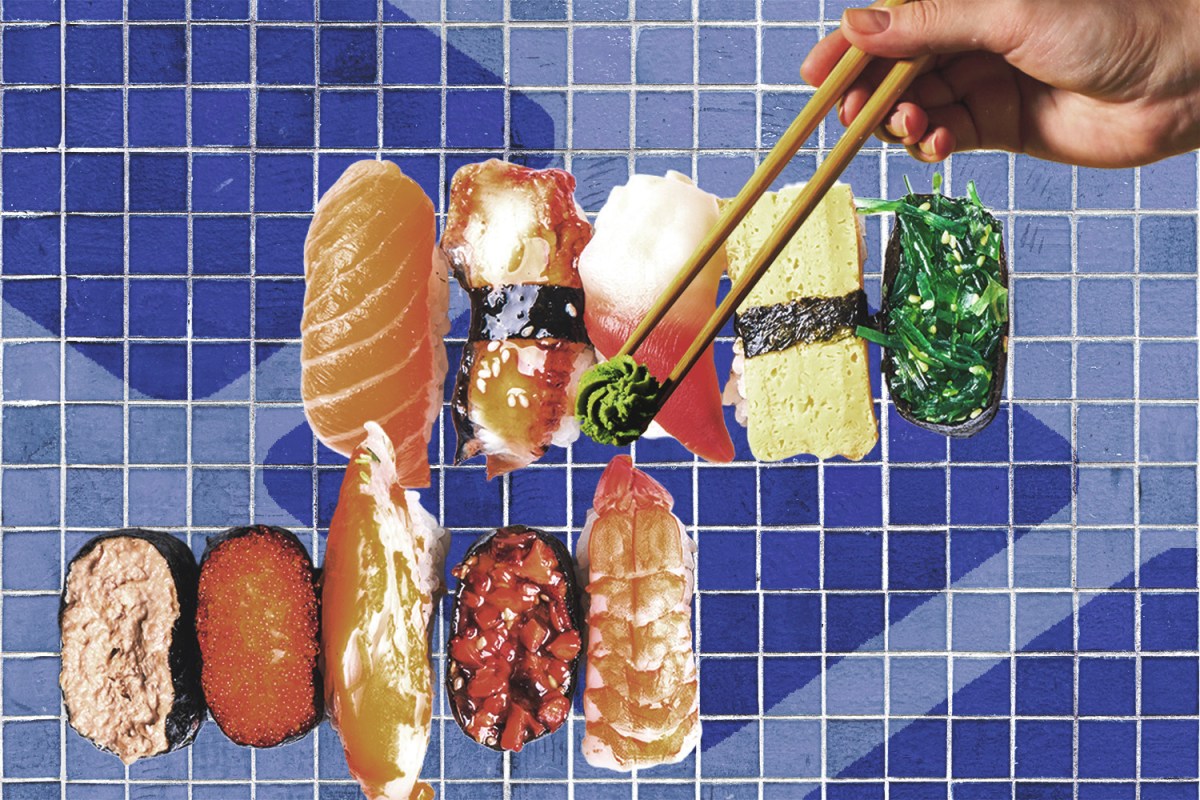
"In the United States, we have been inordinately spoiled for choice when it comes to omakases. The Japanese dining experience is singular: top-notch ingredients, refined craftsmanship and an invitation to trust the process - you literally don't know what's coming next! Time and again, European tasting menus have defined our singular definition of luxury dining, and i t's about time we recognized how non-Western food delivers exceptional craft on its own terms."
"With so many options now available, it's easy to feel overwhelmed by a standard formula: 10-seat counters, $100 price points and a rotating parade of fish after fish. How much is too much to pay? Does it matter if one restaurant sources from Japan versus New Zealand? Do I need the caviar and gold flakes add-on to top that fatty tuna? As someone who grew up with an appetite for Japanese cuisine, I spoke to three omakase chefs to get to the bottom of it."
"An omakase is different from just any Japanese restaurant and a far cry from your Friday night takeout sushi. Translated to "I leave it up to you," it's a premium dining experience that involves a chef's choice menu where bites are small but plentiful, typically composed of 10 to 18 sushi courses. Omakases are often praised for fish freshness, but that view misses the point."
Omakase is a chef's choice sushi tasting experience of roughly 10 to 18 small courses that emphasizes technique and curation rather than casual takeout service. Many omakases follow the Edomae tradition, where fish is cured, marinated, or aged to deepen flavor, umami and texture rather than served only for raw freshness. Pricing spans mid-range ($150–$250) to luxury (over $450) because of technical mastery, precise rice preparation, careful sourcing of pristine fish and the logistics of curating accompaniments. Common counter formats and add-on luxuries prompt questions about value, origin and necessary extras.
Read at InsideHook
Unable to calculate read time
Collection
[
|
...
]