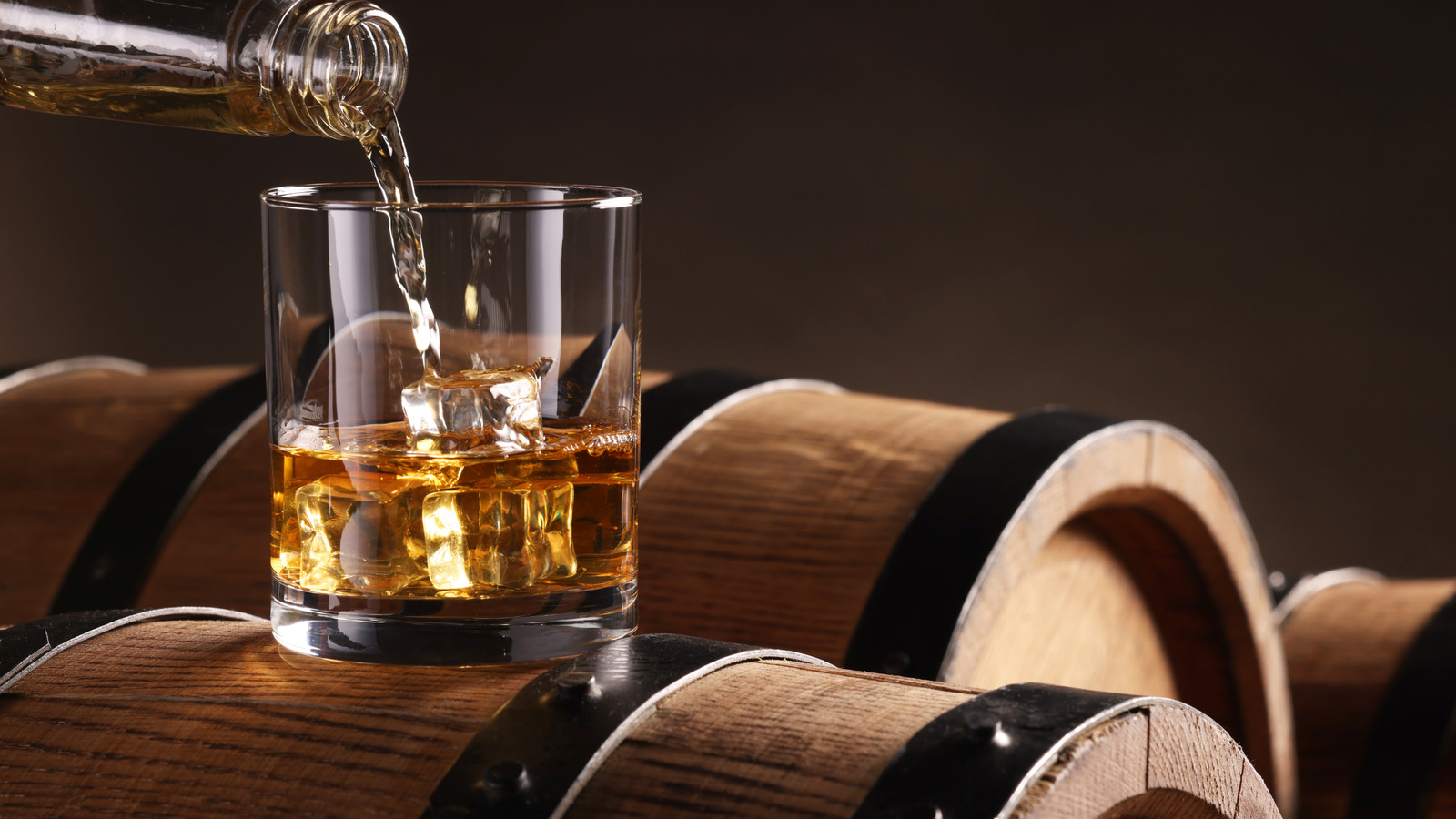
Bourbon is clear immediately after distillation and acquires its amber hue during aging in new, charred oak barrels. Law requires bourbon barrels to be new and charred, which caramelizes the wood's natural sugars and opens wood fibers for deeper spirit penetration. The spirit extracts wood compounds and pigments that shape flavor and color, often imparting smoky, sweet notes with caramel, vanilla, and spice. Color typically deepens and becomes more complex with longer aging, though exceptions exist. Bourbon regulations prohibit unnatural added colors, while some other whiskies may allow caramel coloring.
"It's easy to surmise that bourbon gets its mesmerizing amber color from the distilling process, with all those earthy elements coming to a stunning crescendo in a blaze of autumn-hued color. A more cynical whiskey lover may instead sigh with sadness that it's likely an added coloring agent of mysterious origin. Truth be told, it's actually neither of those, but something much earthier and intriguing: Bourbon hues come from the merging of fire, wood, and time."
"Straight from the still, the bourbon is clear as rain - until it nestles in for a minimum two-year slumber in wood barrels, required by law to be new and made of charred oak. Since the insides of the barrel are charred before adding liquid, the characteristics of the wood get extracted by the spirit, impacting the bourbon flavor and creating its color."
Read at Tasting Table
Unable to calculate read time
Collection
[
|
...
]