""In the United States, consumers limit alcohol primarily due to financial pressures, with 48% citing saving money as their top reason," Mills says. "Rising concerns about physical and mental health, particularly among younger generations, are also driving this. Lifestyle changes, such as a shift toward moderation and participation in sobriety challenges like Dry January, also contribute, as does the increased availability and quality of non-alcoholic alternatives.""
"Mills adds that self-reported alcohol consumption in the United States dropped below 60% for the first time in 2024, creating space for low/no alcohol options to thrive. "According to our Global New Products Database, U.S. alcoholic drinks with 'low/reduced alcohol' or 'alcohol free' claims have grown by 457% over the past five years," she says. "However, it's important to note that the market remains very small, representing less than 4% of total alcohol launches.""
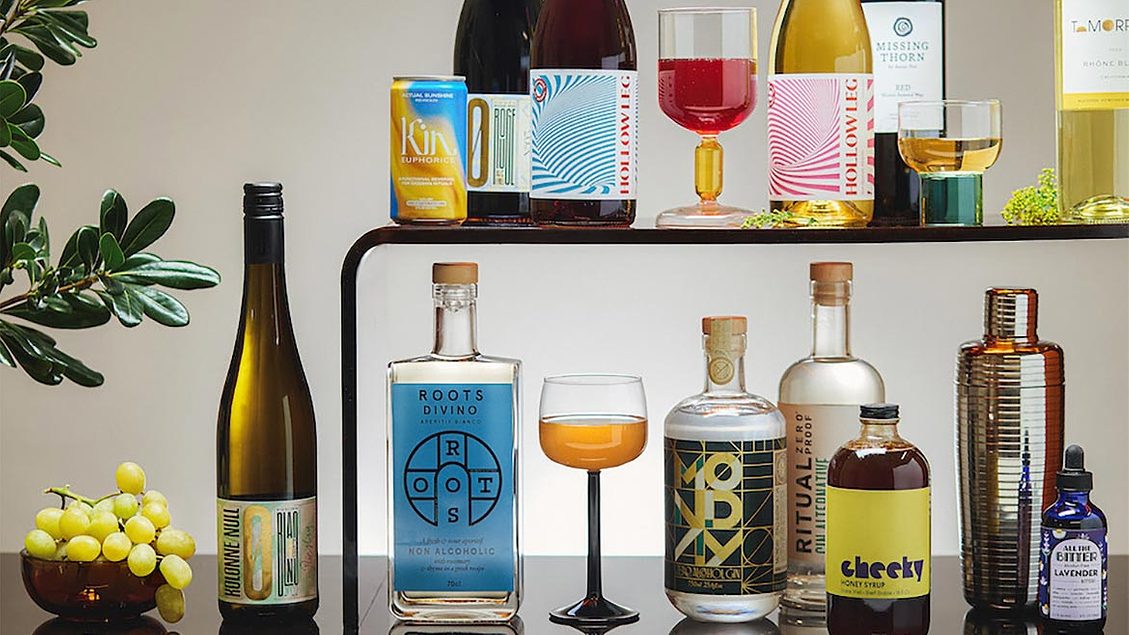
Consumers are limiting alcohol because of financial pressures, health concerns, and lifestyle shifts toward moderation and sobriety challenges. Forty-eight percent of U.S. consumers cite saving money as their main reason for reducing consumption. Self-reported alcohol use in the United States dropped below 60% in 2024, opening space for low- and no-alcohol alternatives. U.S. alcoholic drinks carrying 'low/reduced alcohol' or 'alcohol free' claims increased 457% over five years, although such products still represent under 4% of total alcohol launches. Non-alcoholic beer shows steady gains while non-alcoholic spirits and functional seltzers delivered breakout growth.
Read at Bevindustry
Unable to calculate read time
Collection
[
|
...
]