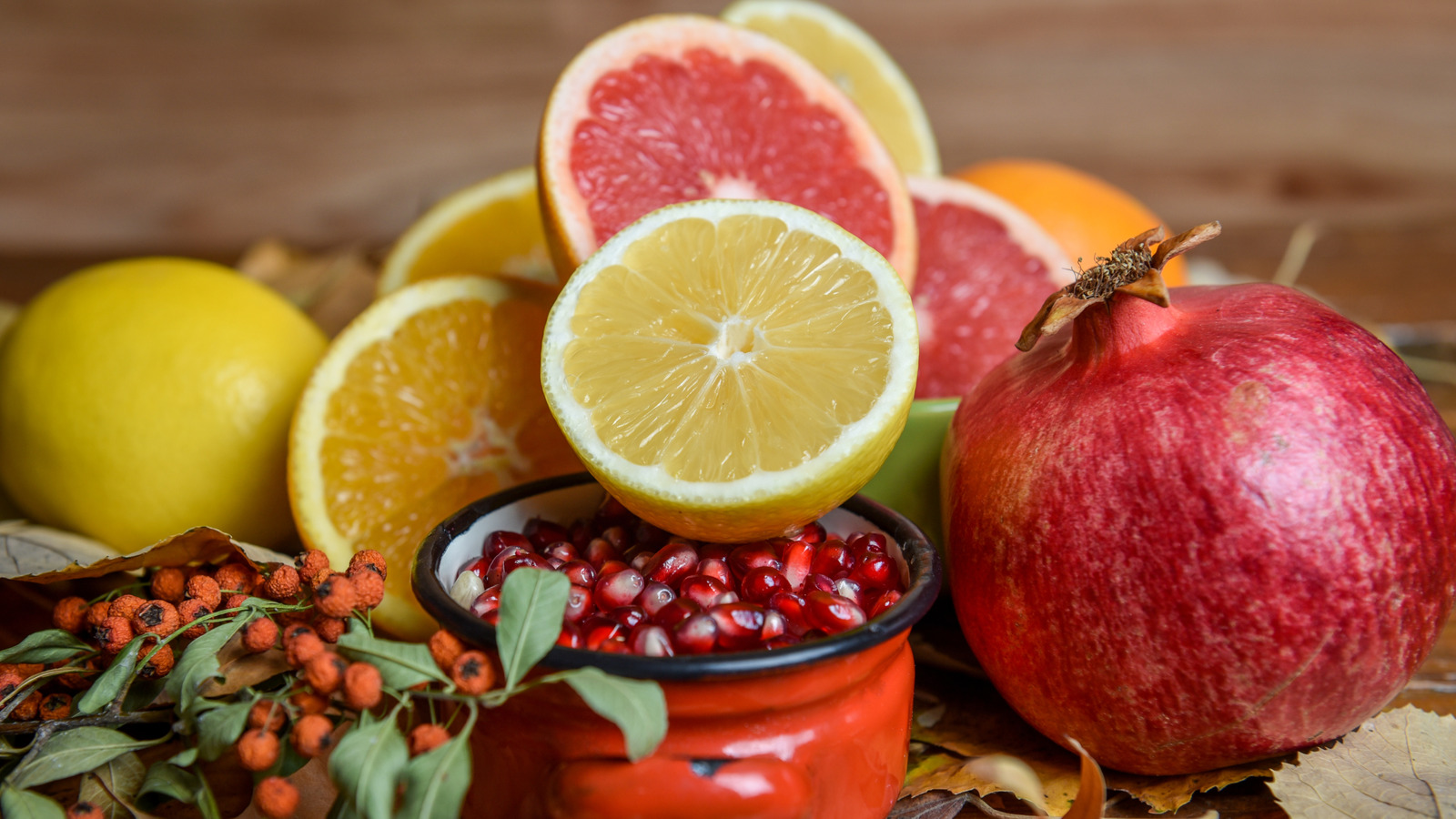
"The winter can seem like a bleak season for fresh produce, especially fruit. It's difficult to picture anything other than hearty winter squash and evergreen trees surviving the frigid season. While steaming soups and cozy stewed meat dishes are usually winter meal staples, it's imperative that you still get fresh fruits and vegetables into your winter diet to keep your body functioning properly, especially your immune system."
"Similar to oranges, just one small kiwifruit provides 83% of your daily vitamin C needs. Kiwifruit also contains vitamin E, which is fat-soluble, meaning it needs to be accompanied by fat for your body to absorb it, so be sure to include healthy fats in your diet as well. Kiwifruit is best eaten raw , as cooking the fruit can result in nutrient loss and may also lead to an unpleasant texture and flavor. So keep the heat away from these tart, tangy little fruits."
Shorter days and colder temperatures increase vitamin D deficiency risk, so additional immune support from food is important during winter. Many immune-supportive fruits are in season in winter, making them fresher and more nutrient-dense at that time. Kiwifruit provides a large portion of daily vitamin C and contains fat-soluble vitamin E, which requires dietary fat for absorption, and is best eaten raw to preserve nutrients and texture. Some winter fruits are globally available year-round, but eating them during winter yields peak flavor and nutritional value for immune support.
Read at Tasting Table
Unable to calculate read time
Collection
[
|
...
]