"It can be used in some of the same dishes as rice, has a nutty flavor and fluffy texture, and will likely keep you fuller for longer, too. White rice contains a reasonable amount of protein, with 2.3 grams in a 1-cup serving, but quinoa has more than three times as much: at least 8 grams per cup. Plus, quinoa, unlike rice, is a complete protein, meaning it contains all nine essential amino acids, which we cannot produce ourselves and therefore need to get from"
"Being able to enjoy the foods you eat makes things easier, which is why learning how to make tasty swaps for your existing favorites will help you get more protein without feeling deprived. Plus, since protein helps to keep you fuller for longer, switching out these protein-rich alternatives for your usual fare may help prevent you from opening the fridge door in search of snack inspiration 20 minutes later."
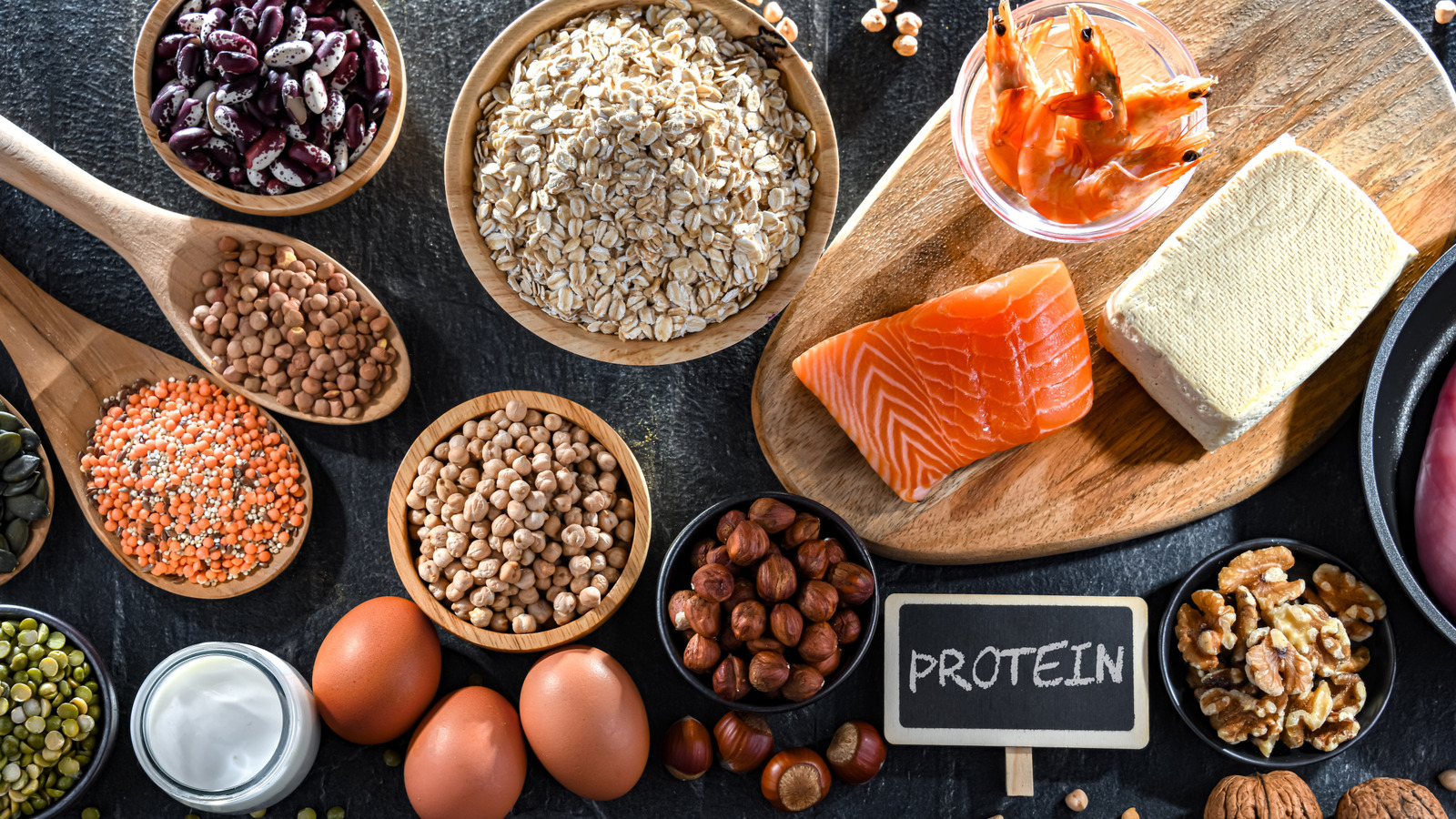
Protein is a primary macronutrient essential for muscle repair, tissue growth, and blood sugar stability. Simple, enjoyable food swaps can raise protein intake without relying on large portions of meat. Quinoa offers about 8 grams per cup versus 2.3 grams in white rice and is a complete protein containing all nine essential amino acids; a stovetop portion of quinoa cooks in about 20 minutes. Small changes—such as making homemade protein smoothies or replacing potato chips with nuts—add protein and promote satiety, which can reduce snacking and help maintain fuller, more balanced meals throughout the day.
Read at Tasting Table
Unable to calculate read time
Collection
[
|
...
]