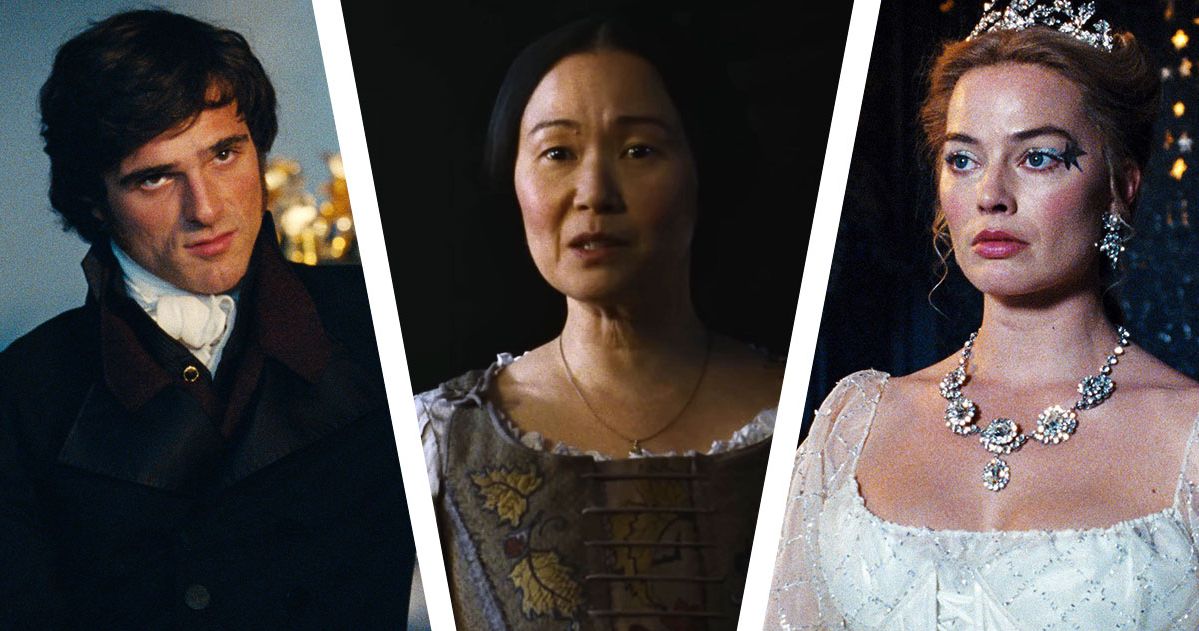
"Nearly everyone in the newest big-screen version of Wuthering Heights is a messy bitch, a conniving observer, or a negligent parent. Emily Bronté's 1847 novel already established a Gothic world in which the trauma is as loud as the wind on the moors, and Emerald Fennell's adaptation excises major portions of the book to streamline that atmospheric darkness and ultimate tragedy."
"In an attempt to answer that, we're judging who's responsible for the film's most selfish acts and destructive choices - because isn't it in the spirit of Wuthering Heights to point at someone else and assign blame to them? That's sort of what Cathy and Heathcliff are doing this whole movie! Whatever their souls are made of, ours are the same, yadda yadda yadda. Let's crack some eggs and dive into the muck."
Nearly everyone in the newest big-screen version of Wuthering Heights is portrayed as selfish, conniving, or neglectful. The adaptation removes major portions of the novel to condense atmosphere and heighten darkness and tragedy, and omits the ghost of Cathy. The cast is reduced, simplifying or altering character complexity and aligning characters along a moral spectrum. Judgment focuses on characters' most destructive acts, assigning blame for trauma and ruined relationships. Mr. Earnshaw is depicted as a drunk, gambler, and violent, negligent father whose treatment of Heathcliff and Cathy seeds their codependence and twisted dynamics.
Read at Vulture
Unable to calculate read time
Collection
[
|
...
]