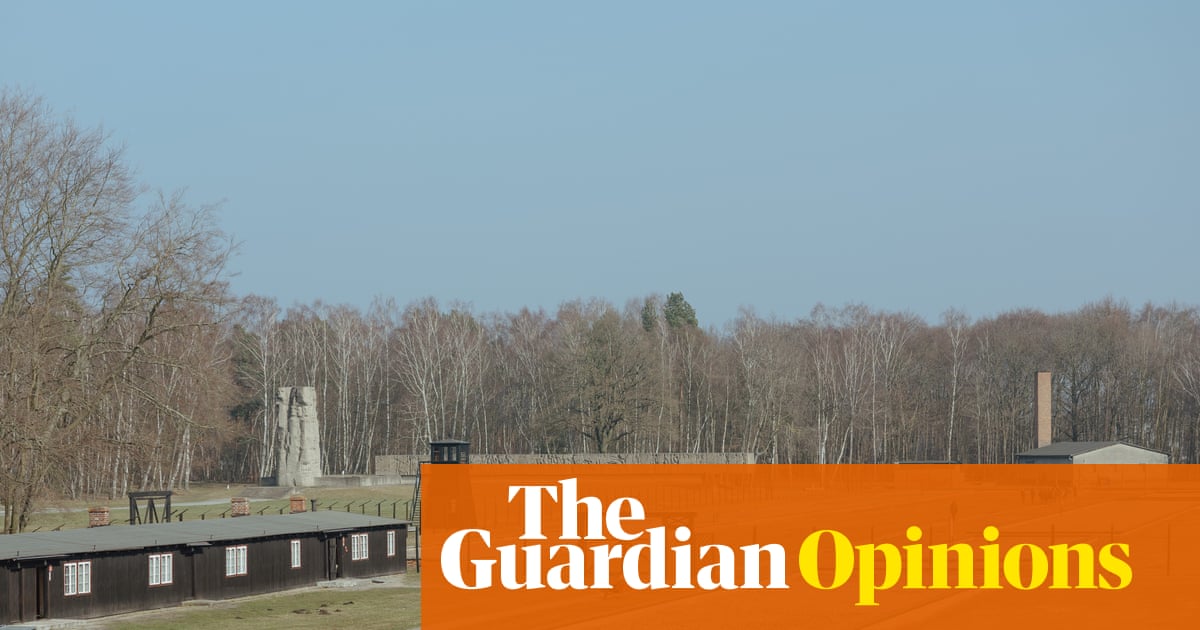
"When I was nine years old, my grandfather took me to the museum at the former Stutthof concentration camp near Gdansk, in northern Poland. Established by the Nazis in the German-annexed territory of the Free City of Danzig, he had been imprisoned there as a teenager. It was his first visit since the second world war. When we went through the gate, he began to cry, to shout, to reconstruct scenes. The past returned all at once and he fell into a state of trauma."
"During his imprisonment he had been responsible, among other things, for carrying bodies from the camp infirmary. Most of the most infamous Nazi death camps have been turned into memorials like Stutthof, in the hope that they can teach something to future generations and avert a repeat of this darkest of chapters in Europe's history. But it is a fact that few visitors to Auschwitz-Birkenau, Dachau or Stutthof are shaken like my grandfather was."
"Jonathan Glazer's film The Zone of Interest marked a much needed shift in perspective in this regard, and one that gives sites of memory a historic opportunity to rethink the function they serve. The Oscar-winning film captured the banality of the commandant of Auschwitz Rudolf Hoss's family living in a villa next door to the death camp. It led to the villa, long a private home, being bought by the Counter Extremism Project, with the support of the Auschwitz-Birkenau museum, and being opened to the public."
A grandfather's return to the Stutthof concentration camp museum triggered traumatic memories of teenage imprisonment and duties such as carrying bodies from the camp infirmary. Most infamous Nazi death camps have been transformed into memorials intended to teach future generations and prevent repetition, but many visitors only learn facts, dates and perpetrators without being morally affected. Institutions often present evil as a past aberration, allowing visitors to feel morally intact. Jonathan Glazer's film The Zone of Interest shifted focus to the ordinary domestic life adjacent to Auschwitz, prompting purchase and public opening of the commandant's villa to expose everyday normality that enabled atrocity.
Read at www.theguardian.com
Unable to calculate read time
Collection
[
|
...
]