"Sometimes, as with Dawn Porter's documentary When a Witness Recants, which follows three exonerated men who were framed by the police for the murder of a Baltimore high school student, it served to tie their movies to the current political reality, which lit up phones in darkened theaters with news of the killing of Alex Pretti. Sometimes it was just taking advantage of the spotlight,"
"or admitting that it felt like a weird time to be in the mountains of Utah, watching movies. "I wanted to take a moment to acknowledge everything that is happening in Minnesota," the director Kogonada said on Saturday night, introducing his movie Zi, whose loose, lyrical character study transported audience members away from reality rather than connecting them to it. Jin Ha, one of the film's three leads, brought the room back to earth, wrapping his answers about"
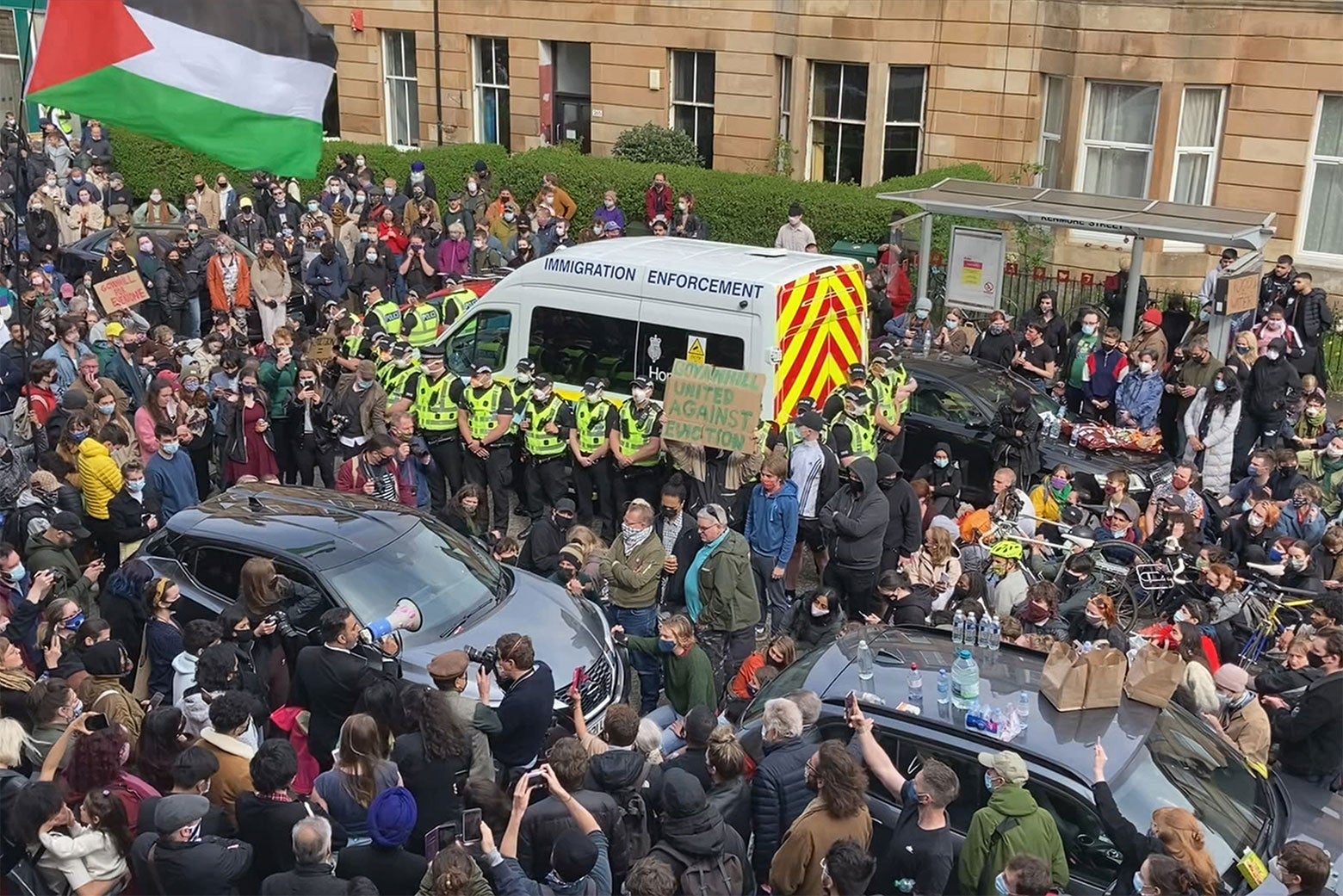
Sundance filmmakers repeatedly voiced opposition to ICE and used festival platforms to reflect current political tensions. Some screenings tied films to recent events, as Dawn Porter’s When a Witness Recants connected to the killing of Alex Pretti and lit up audience phones. Filmmakers and actors publicly acknowledged political crises, with Kogonada noting Minnesota and Jin Ha angrily saying “... And fuck ICE.” Some talent, like Zoey Deutch, coupled political statements with appearances for less topical films, exposing a disjunction between loud festival activism and the largely nonpolitical content of many films. A notable exception was Everybody to Kenmure Street, a documentary about communal resistance in Glasgow.
Read at Slate Magazine
Unable to calculate read time
Collection
[
|
...
]