"Fox entered a new frontier of moviemaking by debuting a brand-new way to show motion on film: rear projection. Used primarily for driving scenes - or that famous airplane scene in North by Northwest - this technique would allow for the actors to be stationary while a projected background behind them showed movement. The effect was rudimentary, but believable, and became a go-to approach for filmmaking for decades after."
"Much like rear projection, virtual production allows for actors to remain stationary while an ultra-realistic image is shown on vast LED soundstages. It's essentially like a giant TV screen, allowing cinematographers, directors, and actors to see the imagery (often referred to as "plates") that will be shown in the final product."
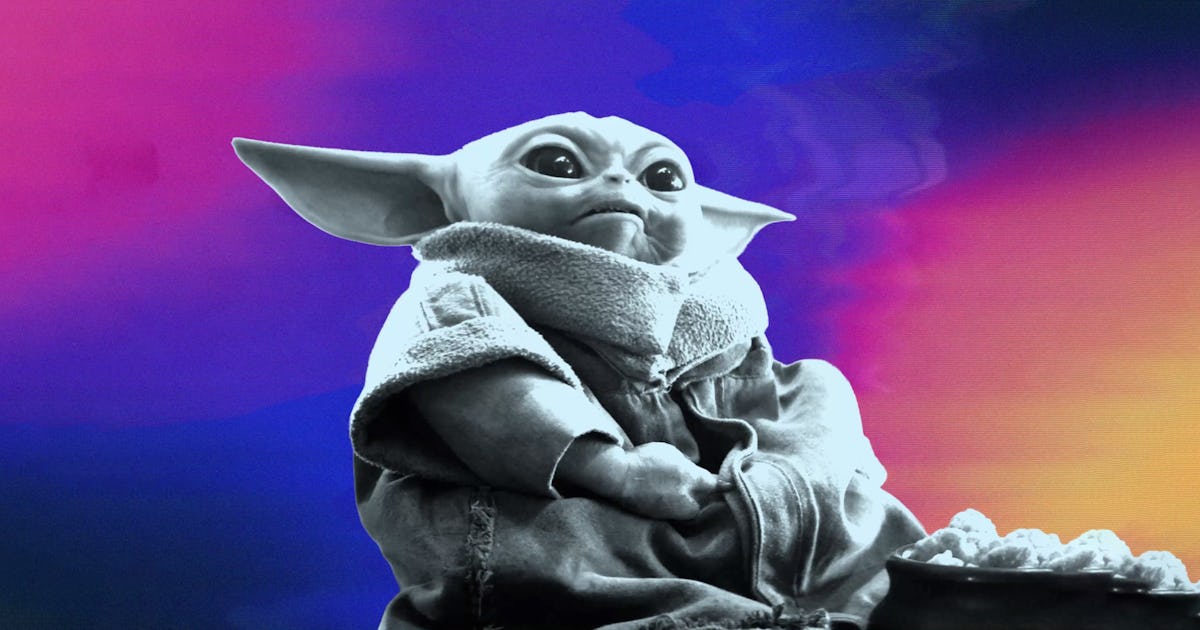
"The mainstream debut of this technology was in 2019, on Season 1 of The Mandalorian, which used Industrial Light & Magic's StageCraft technology, colloquially called "The Volume." With the Volume, Pedro Pascal's Din Djarin could be on Tatooine one minute and Coruscant the next with the touch of a button, potentially saving entire stages of post-production VFX work."
Fox pioneered rear projection in 1930, enabling actors to remain stationary while projected backgrounds created movement effects. This technique dominated filmmaking for decades. Nearly a century later, virtual production using LED walls and AR technology emerged as the modern evolution. The Mandalorian's 2019 debut of Industrial Light & Magic's StageCraft technology, called "The Volume," marked mainstream adoption. This system allowed actors to transition between environments instantly while cinematographers viewed final imagery in real-time, potentially eliminating extensive post-production VFX work. Virtual production initially gained widespread adoption but has since become less prominent in industry conversations, following a typical Hollywood technology adoption pattern.
Read at Inverse
Unable to calculate read time
Collection
[
|
...
]