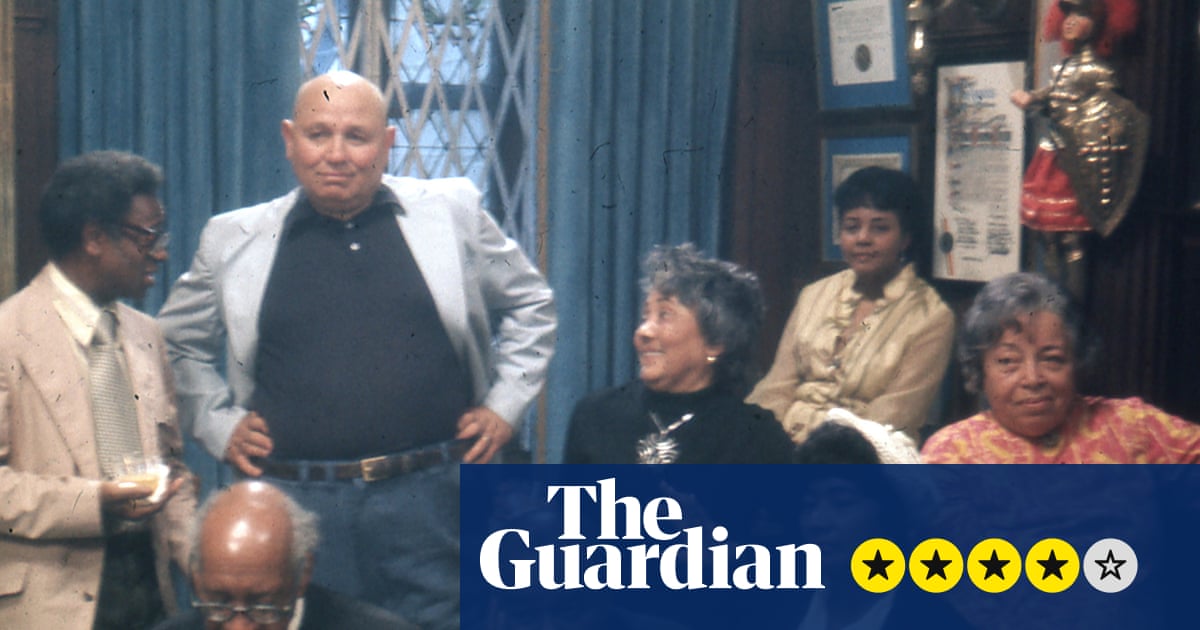
"In August 1972, the experimental film-maker William Greaves convened a once-in-a-lifetime dinner party at Duke Ellington's townhouse in Harlem. The occasion was a celebration and reconsideration of the Harlem Renaissance, the watershed African American cultural movement of the 1920s. The guest list included its still-living luminaries, some of the 20th century's most influential and still under-appreciated musicians, performers, artists, writers, historians and political leaders, all in their sunset years. Over four hours and untold glasses of wine, talk wheeled"
"freely from vivid recollections to consternation, lively anecdotes to contemplations of ongoing struggle. Greaves, by then niche renowned for his innovatively meta documentary Symbiopsychotaxiplasm: Take One, lightly directed the conversation but otherwise let the energy flow. He considered it the most important footage he ever recorded. You could probably release that remarkable footage in full, completely unedited and unstructured, and still have a good documentary; every piece is now, 50 years later the same distance to us as the Harlem"
In August 1972 William Greaves convened a dinner at Duke Ellington's Harlem townhouse that gathered surviving luminaries, musicians, artists, writers, historians and political leaders from the Harlem Renaissance era. Over four hours conversation ranged from vivid recollections and anecdotes to consternation and contemplations of ongoing struggle. William Greaves recorded the evening and regarded the footage as his most important. David Greaves later edited the material into Once Upon a Time in Harlem, a 100-minute film that clips and contextualizes the party while preserving its hang-out energy. The resulting film functions as an intergenerational bridge, celebration of achievements, and a reflective map of legacy.
Read at www.theguardian.com
Unable to calculate read time
Collection
[
|
...
]