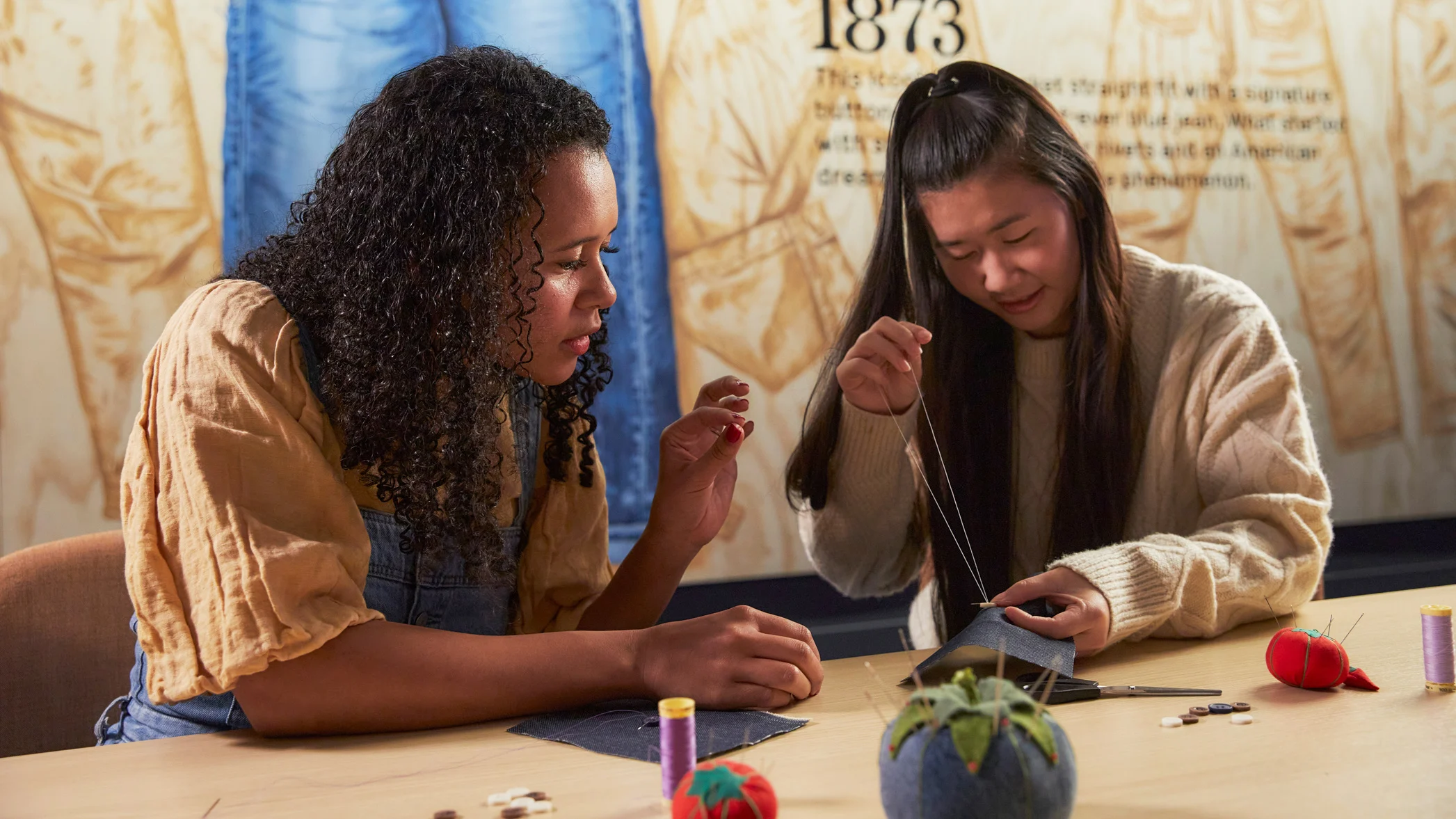
"In the early 2000s, when fast-fashion brands began flooding the market, clothing became so cheap that shoppers could endlessly refresh their wardrobes. The garments were poorly made and tore easily, but it hardly mattered. They were designed to be disposable, encouraging repeat purchases. "It didn't seem worth the time and effort to repair the top," she recalls. "And besides, I didn't have any mending skills at the time.""
"Starting in the early 1900s, schools trained students -mostly girls-in the art of sewing and mending clothes in home economics classes. Students learned how to operate sewing machines to create tidy hemlines and sew buttons by hand. But by the 1970s, partly due to the feminist critique that home economics classes reinforced traditional gender roles, these courses slowly began getting cut from public schools."
Schools taught sewing and mending in early 1900s home economics classes, mainly to girls, teaching machine use, tidy hemlines, and hand-sewn buttons. By the 1970s many classes were cut partly because a feminist critique said they reinforced traditional gender roles. Fast-fashion brands in the early 2000s made garments extremely cheap and disposable, reducing incentives to repair clothing. Many people lack basic mending skills; a Levi's study found 41% of Gen Zers report no basic repair knowledge, double older generations' rate. The average American discards 81.5 pounds of clothing annually, contributing significant textile waste to landfills.
Read at Fast Company
Unable to calculate read time
Collection
[
|
...
]