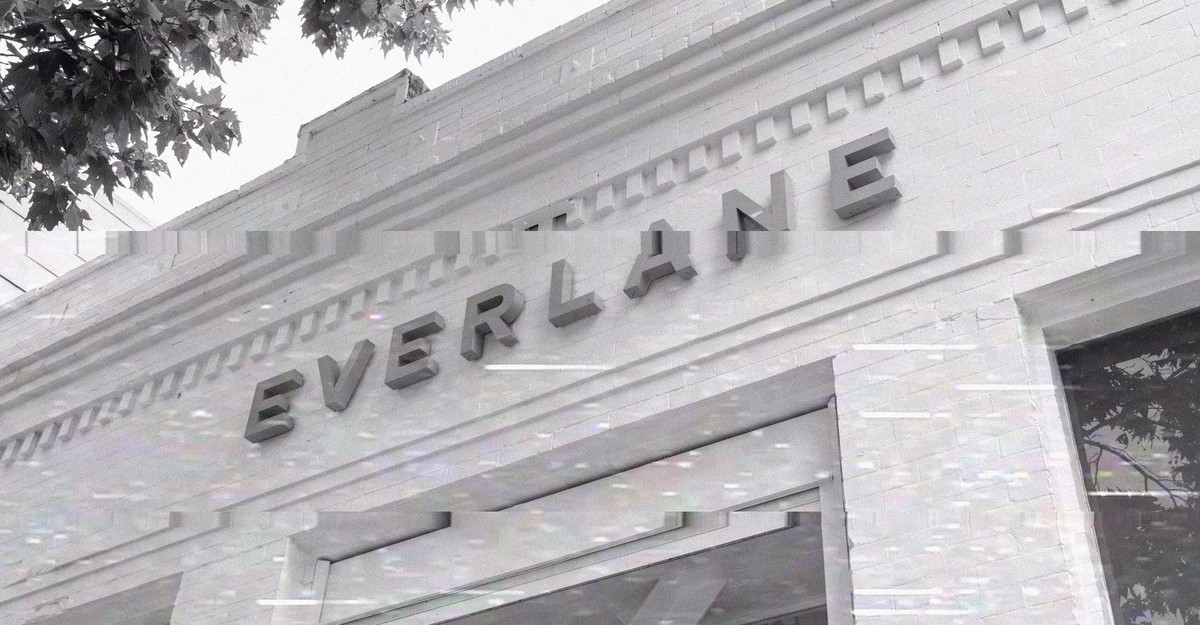
Everlane built its brand around radical transparency, sharing factory details and item costs, including labor and markup, to support the idea that globalization could benefit everyone. The company became a direct-to-consumer poster child for investor-backed sustainable apparel, alongside other fast-growing brands. Everlane now faces serious financial distress, including $90 million in debt, rent arrears, and eviction risk at its headquarters. Reports indicate a buyer has been found that conflicts with Everlane’s earlier values, with Shein emerging as a likely acquirer. Shein has responded to criticism by investing in carbon-reducing initiatives and ending orders at factories with known problems, but the broader sustainable-fashion era appears to be fading.
"The San Francisco-based fashion start-up was founded in the early 2010s on the premise of "radical transparency." It told consumers about the factory where their shirt was made and the cost to produce it, down to the labor and markup, which it said was a fraction of the markup of other retailers. It was a brand built on the belief that globalization could work for everyone, and that anybody could shop with their values."
"But now Everlane is in bad shape. It's $90 million in debt, behind on rent, and facing eviction at its headquarters. This week, Puck reported that the company has found a buyer that seems antithetical to the values it once said it held: Shein, the online fast-fashion behemoth synonymous with overconsumption and workplace abuses such as child labor."
"Shein, in response to allegations of poor conditions over the years, has made efforts to address critics, such as investing in carbon-reducing initiatives or ending orders at factories that have known problems. Still, the era of sustainable fashion that Everlane represents seems to be fading-as does the concept that ethical consumerism alone can eliminate the clothing industry's worst practices."
"Everlane was once a high-flying poster child of investor-backed sustainable-apparel companies. Venture-capital firms and private-equity investors poured millions into the business, helping turn it into a fast-growing direct-to-consumer brand. It was part of a cohort of buzzy companies that promised to ensure better working conditions and make products using more eco-friendly materials."
Read at The Atlantic
Unable to calculate read time
Collection
[
|
...
]