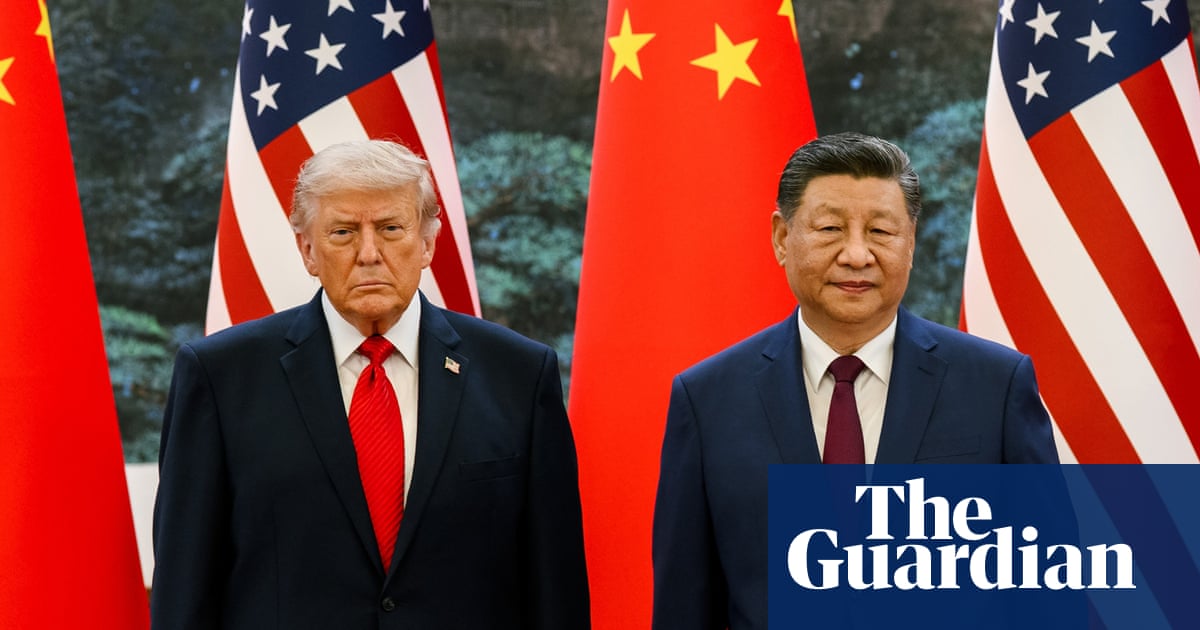
Donald Trump and Xi Jinping appeared in Tiananmen Square wearing strikingly similar blue, single-breasted suits with two buttons and red ties. Their matching look stood out among surrounding officials in varied suits and accessories. The similarity was linked to potential negotiation advantages, including improved geopolitical positioning and trade deal prospects. Research in social psychology suggests people warm more quickly to those who appear similar in behavior, language, posture, or appearance. In negotiation, mirroring can operate subconsciously, signaling shared status, mutual respect, and alignment before discussion begins. The chameleon effect and the liking principle from persuasion research indicate that subtle mimicry and perceived similarity can increase rapport and cooperation.
"When Donald Trump and Xi Jinping met for a welcome ceremony in Tiananmen Square this week with the world's gaze on them, they mirrored one another in strikingly similar suits. Both were blue, single-breasted with flap pockets. Both had two buttons with only the top one done up. Both wore red ties. They were surrounded by scores of other men in different suits: Stephen Miller had his customary pocket square, ditto Pete Hegseth, who along with Scott Bessent wore flamboyantly stripy ties; Elon Musk wore a green tie; there were blue shirts and black suits."
"Both leaders were hoping to secure geopolitical gains and trade deals and matching suits, according to Enda Young, the founder and CEO of the Centre for Negotiation and Leadership and a negotiation lecturer at Oxford University, may have helped. There's good evidence from social psychology that people tend to warm more quickly to those who seem similar to them, he says. That can be behaviour, language, posture or even appearance and dress. In negotiation, he says, mirroring often works at a subconscious level."
"Similar suits, colours or body language can signal alignment, shared status or mutual respect before anyone speaks. Young points to research on the chameleon effect, which also shows that subtle mimicry tends to increase rapport and cooperation, also citing the work of Robert Cialdini, the author of Influence: The Psychology of Persuasion, and his principle of liking' where similarity tends to increase trust and openness to influence."
#political-diplomacy #negotiation-psychology #nonverbal-communication #social-psychology #trade-relations
Read at www.theguardian.com
Unable to calculate read time
Collection
[
|
...
]