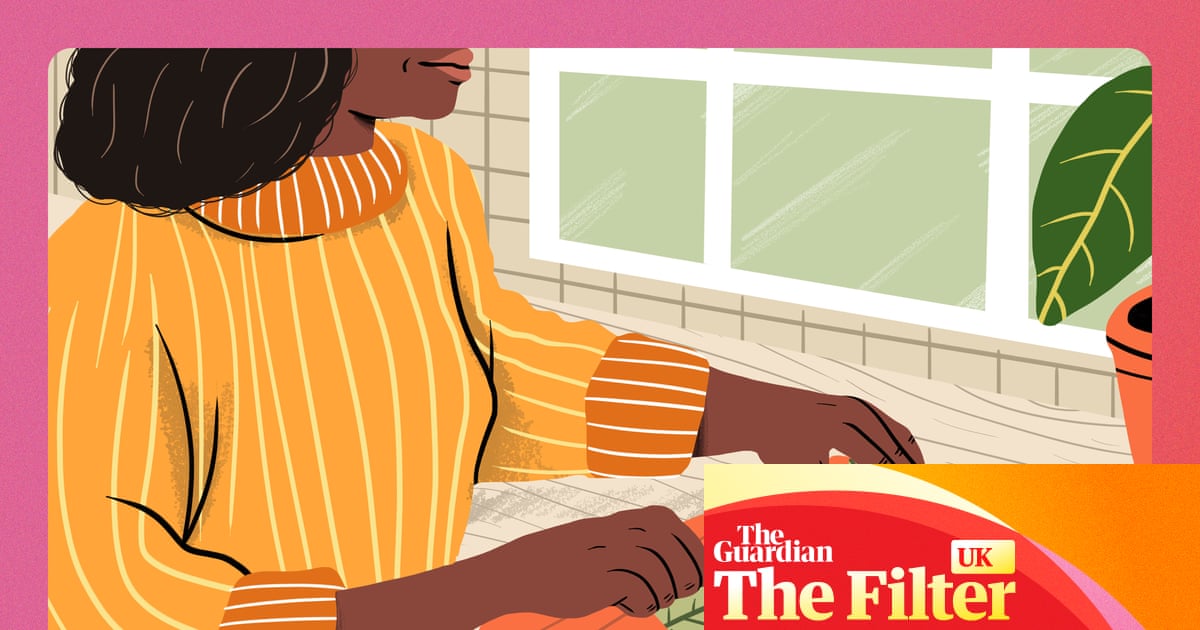
"I try to do as much food prep and batch cooking as possible (it's cheaper and I think it saves time in the long run). I used to store batch-cooked meals in plastic containers, but I became much less enthusiastic after getting panicky about Pfas and forever chemicals. Glass food boxes have been a revelation. They're slightly heavier to carry to and from work, but they're much easier to clean, and you can pop them in the microwave safely too."
"I keep my mini trampoline propped against a wall in my kitchen, and challenge myself to bounce on it any time I'm in there waiting for the kettle to boil, air fryer to finish or pasta to cook. Aesthetically speaking, I'd much rather it be hidden away in the basement, but I'd never use it if it were out of sight. Trampolining is a great mood booster, and you'd never believe how much it gets the blood pumping if you've not tried it."
Many resolutions fail quickly, but modest, concrete changes can become lasting habits when tied to routine cues and immediate rewards. Batch cooking reduces cost and time; using glass containers avoids concerns about PFAS, cleans easily, and is microwave-safe. Keeping a mini trampoline in a visible place encourages short bursts of movement during ordinary kitchen waits and boosts mood. Habit stacking—making a second cup of coffee the cue for an outdoor walk—turns a simple action into a repeatable routine. Visibility, convenience, and predictable triggers help new behaviors become integrated parts of daily life.
Read at www.theguardian.com
Unable to calculate read time
Collection
[
|
...
]