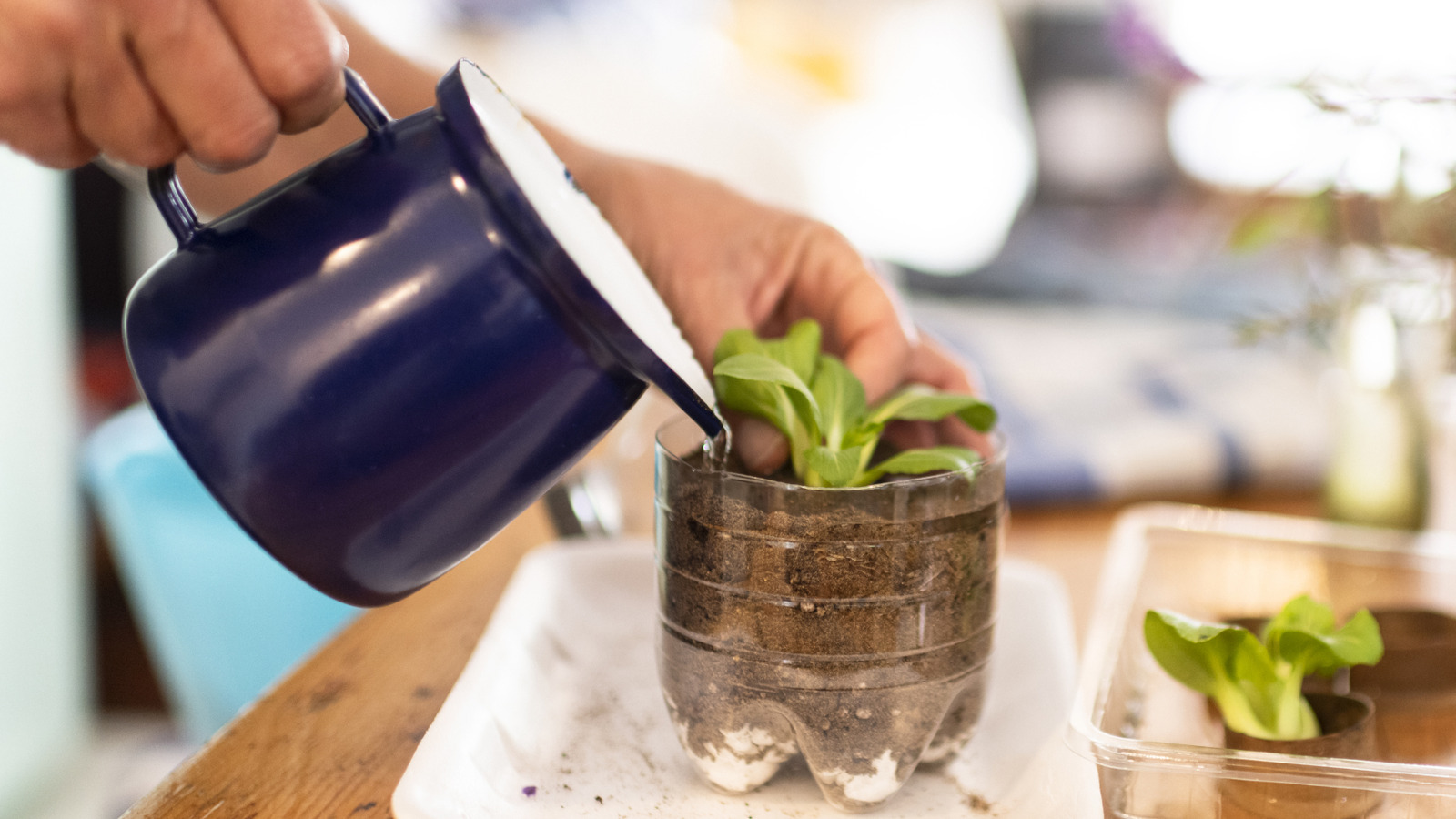
Container gardening can use recycled items like plastic fruit containers, glass jars, muffin tins, and colanders, avoiding the cost of dedicated planters. Containers must be food-safe and never have held toxins, because harmful chemicals can leach into soil and be taken up by edible plants. Thorough washing may not remove antimicrobial coatings or stabilizers from chemical or cleaning-agent containers. Ceramics with heavy wear can signal leachable lead contaminants, and antique thrift-store planters may include hazardous materials such as asbestos. Food-safe classification requires no harmful chemicals, including cadmium and lead, and suitability for direct food contact. Grocery-store containers that previously held food are generally safer, but plastics made with BPA should be avoided.
"Container gardening has been having a moment, and thrifty foodies can assemble a totally recycled container garden from plastic fruit containers, extra glass jars, or even old muffin tins and colanders. With a little imagination, there's no need to shell out $20 or more on a dedicated planter. However, just any old, random plastic tub with a hole drilled in the bottom is not going to cut it. Make sure that the containers you use as planters are made of food-safe material and never came into contact with toxins."
"Avoiding toxins is especially crucial when planting an edible garden. Any harmful chemicals in the container are liable to leach into the soil and up the roots of your veggies or herbs. Was that vintage enamel coffee mug decorated with lead paint? Did that roomy plastic container once hold an unsafe chemical that you might not want to ingest? Even after a thorough washing, chemical and cleaning-agent containers can contain antimicrobial coatings or stabilizers."
"Similarly, steer clear of ceramics with excessive signs of wear, which can be a warning sign of leachable lead contaminants. For this reason, it's also a good idea to pass over cute antique planters from thrift stores ( some of which are even made from asbestos). In order for a material to be classified as "food safe," it must not contain any harmful chemicals including cadmium and lead, and must be suitable for direct contact with food."
"As a general rule, if your food has already come into direct contact with a container in the grocery store, then it will be safe for use in your edible garden. Empty yogurt, butter, and frosting tubs make ideal repurposed planters. Just be sure to avoid any plastics made with BPA"
Read at Tasting Table
Unable to calculate read time
Collection
[
|
...
]