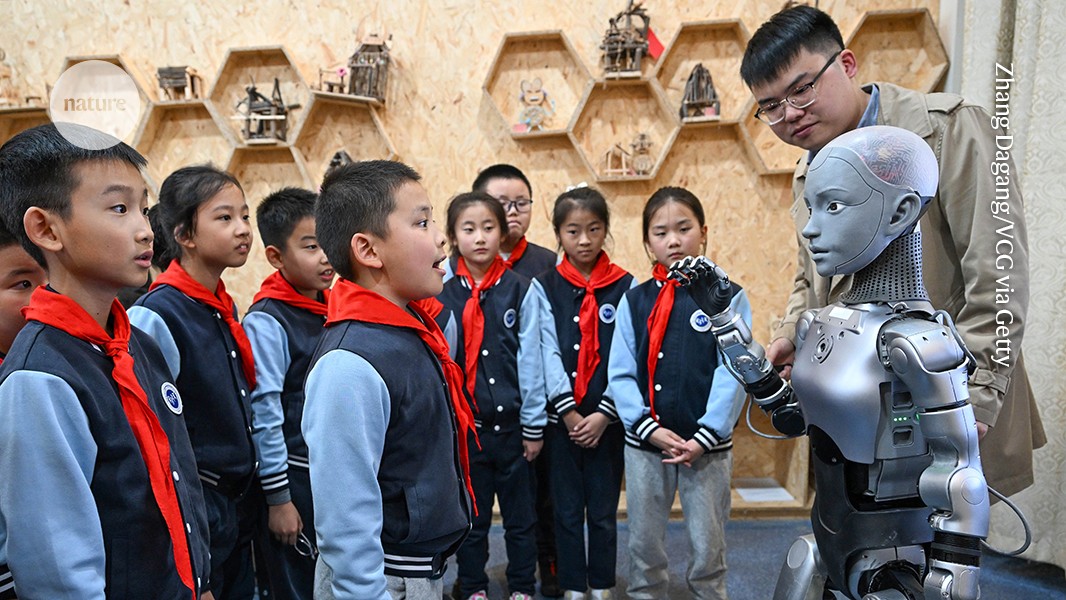
DeepSeek-R1 and Unitree’s R1 humanoid robot show high-performance AI and robotics can be developed at lower cost and with capabilities approaching more expensive Western systems. Both firms rely heavily on young, domestically trained teams, with fewer researchers trained abroad than before. These outcomes revive debate about how nations build and secure technological leadership when overseas study, research collaboration, and talent flows become less reliable due to geopolitical tensions. A sustainable homegrown pipeline is possible, but it must be built early. Competition for talent is increasing as countries move away from narrow exam-and-elite-university pathways and face constraints in attracting foreign talent.
"DeepSeek-R1, a high-performance large language model developed at a fraction of the cost of its Western counterparts. Silicon Valley investor Marc Andreessen called it AI's Sputnik moment. Later that year, Chinese robotics firm Unitree, also based in Hangzhou, released its R1 humanoid robot, which has capabilities approaching those of much more expensive Western systems. Together, these advances have revived a global debate about how nations cultivate and secure technological leadership."
"DeepSeek's research cohort is mostly domestically trained, with many members under 30. Unitree's engineers are similarly young and trained mainly in China. Together, these cases suggest that cutting-edge innovation need not depend on researchers learning skills overseas and returning to their home country. A homegrown pipeline for talent is possible but the model must be sustainable."
"For decades, China, like many other countries, built its scientific capacity through a narrow pathway: high-stakes exams selected top students, elite universities concentrated resources to train them, overseas positions supplied them with advanced expertise and their return replenished domestic research leadership. That model was effective for catching up with technological developments being pioneered elsewhere."
"But it rested on global conditions that are becoming less reliable. As geopolitical tensions disrupt cross-border study, research collaborations and talent flows and as many countries, including China, continue to face limitations in attracting foreign talent innovation systems can no longer rely on"
Read at www.nature.com
Unable to calculate read time
Collection
[
|
...
]