Thousands of U.S. troops are being withdrawn from Germany, a planned deployment to Poland is being reviewed, and a project to station Tomahawk missiles in Germany has been frozen. European capitals are concerned these steps could signal a structural reconfiguration of NATO or a broader U.S. retreat from the alliance. The Pentagon says the presence reduction will be gradual and will not weaken defensive capability. After suspending an armored brigade dispatch to Poland, Trump said 5,000 troops would be sent there, contrasting with the perceived snub to Germany following criticism over the U.S. war in Iran. NATO foreign ministers meet in Helsingborg, Sweden, to assess strained transatlantic relations. NATO Secretary General Mark Rutte accepts the White House view that European dependence must end and that the U.S. needs to rebalance toward other scenarios.
"Donald Trump's decision to withdraw thousands of U.S. troops from Germany, review a planned deployment to Poland, and freeze a project to station Tomahawk missiles on German soil has set off alarm bells in European capitals. In the Old Continent, fears are growing that those moves could be the first step toward a structural reconfiguration of NATO or even a deeper U.S. pullback within the alliance. The Pentagon insists the reduction of its presence in Europe will be gradual and will not affect the Alliance's defensive capability."
"In fact, on Thursday, after his team suspended the dispatch of an armored brigade to Poland, Trump said he would send 5,000 troops to that country, one of Washington's closest allies. A clear contrast with the snub to Germany after its chancellor, Friedrich Merz, criticized the U.S. over its war in Iran. The signs are clear: the U.S. is moving toward a more transactional relationship with NATO and seeks to keep in Europe only those military capabilities that directly serve its global strategic interests interests increasingly focused on the Americas and Asia and less on European soil."
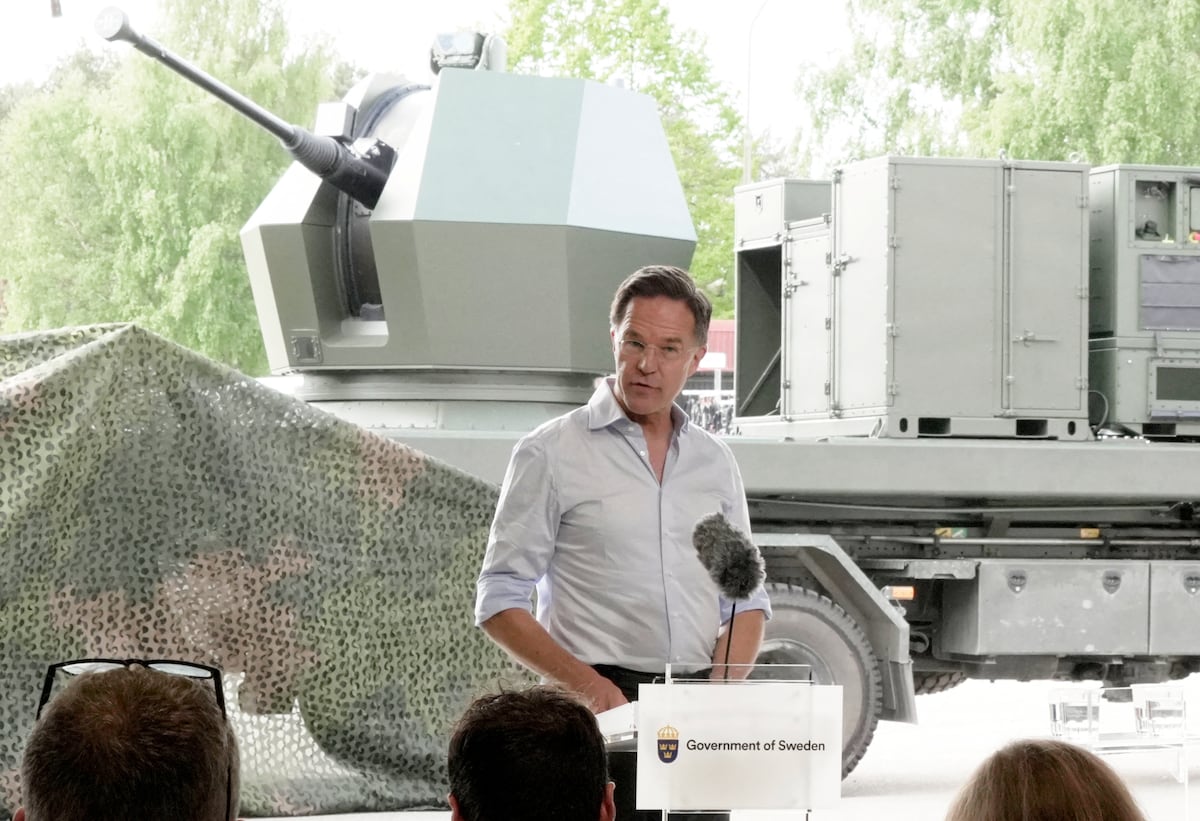
"Friday's meeting of NATO foreign ministers in Helsingborg, Sweden, which was expected to include U.S. Secretary of State Marco Rubio, will serve as a thermometer for the strained transatlantic relationship. European allies are anxious and curious about a session in which the U.S. top diplomat will try to soothe nerves and present the cuts as a gradual adaptation of the U.S. military presence. NATO secretary general Mark Rutte has chosen to accept the White House's diagnosis."
"This excessive dependence must end, he warned on Thursday in Sweden, echoing White House pressure for Europe to assume a greater share of its own defense. It is right that we rebalance so the United States can also turn more to other scenarios, the Dutchman added. The Alliance coordinator, whose main task now (and perhaps the most difficult) is to keep Trump inside the military organizat"
Read at english.elpais.com
Unable to calculate read time
Collection
[
|
...
]